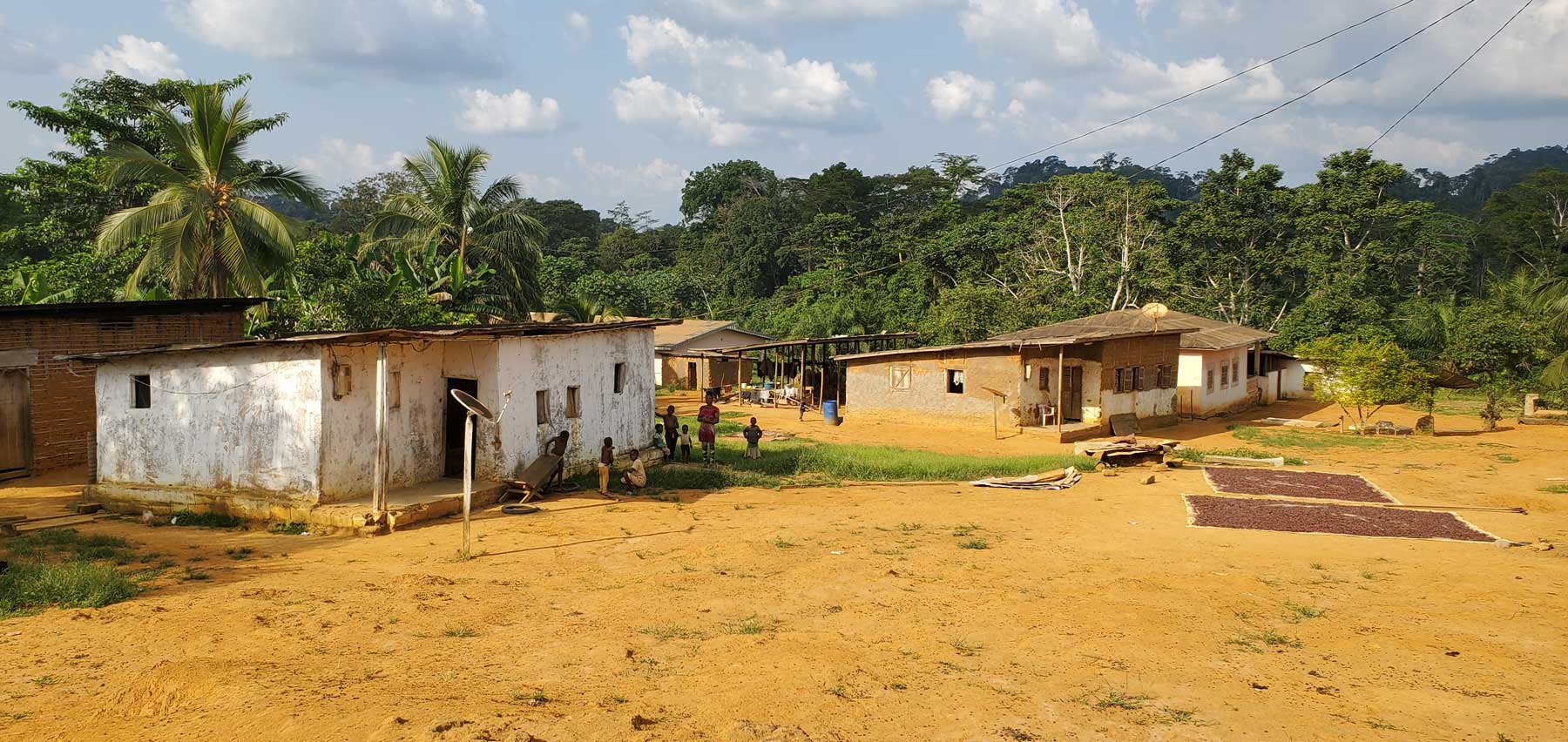
Assessments are the cornerstone of every humanitarian project, regardless of size, as they provide a structured approach to identifying solutions to a community’s challenges. They also play a vital role in building strong relationships and empowering residents to contribute to sustainable local improvements. Establishing trust within communities can be a lengthy process—sometimes taking months or even years. Conducting thorough assessments is essential for fostering this trust, as well as for promoting community ownership and long-term sustainability.
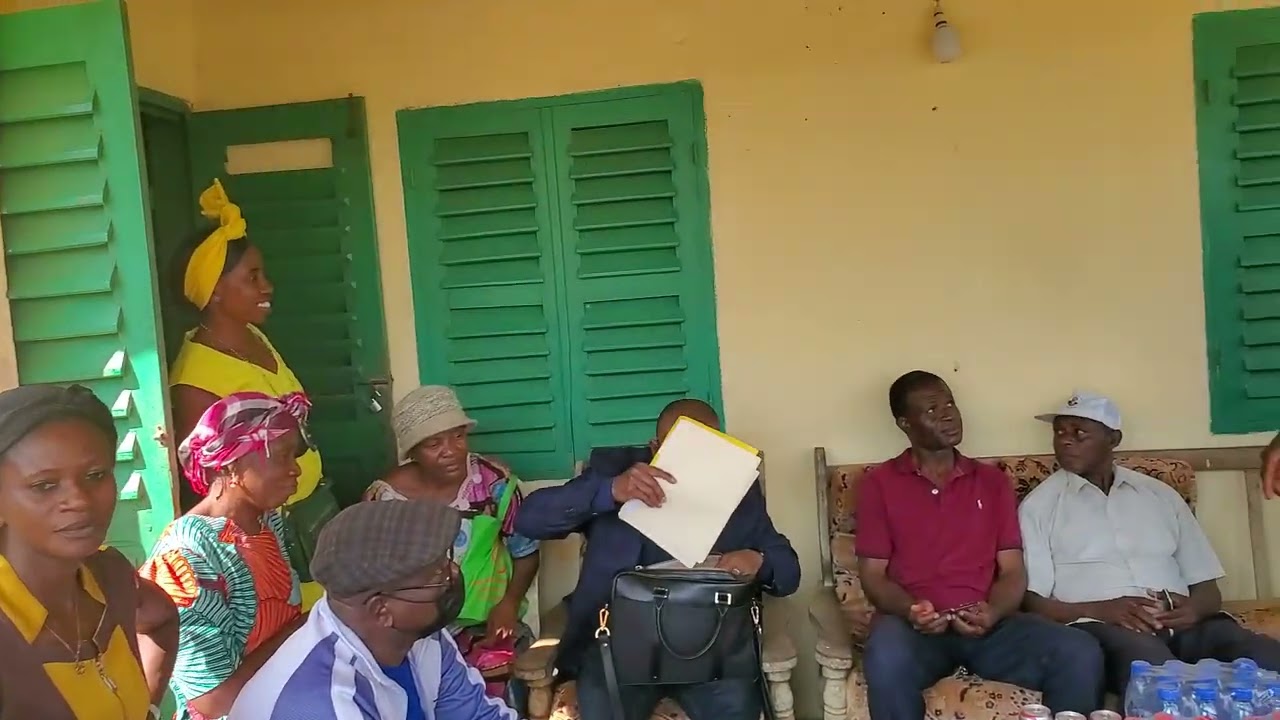
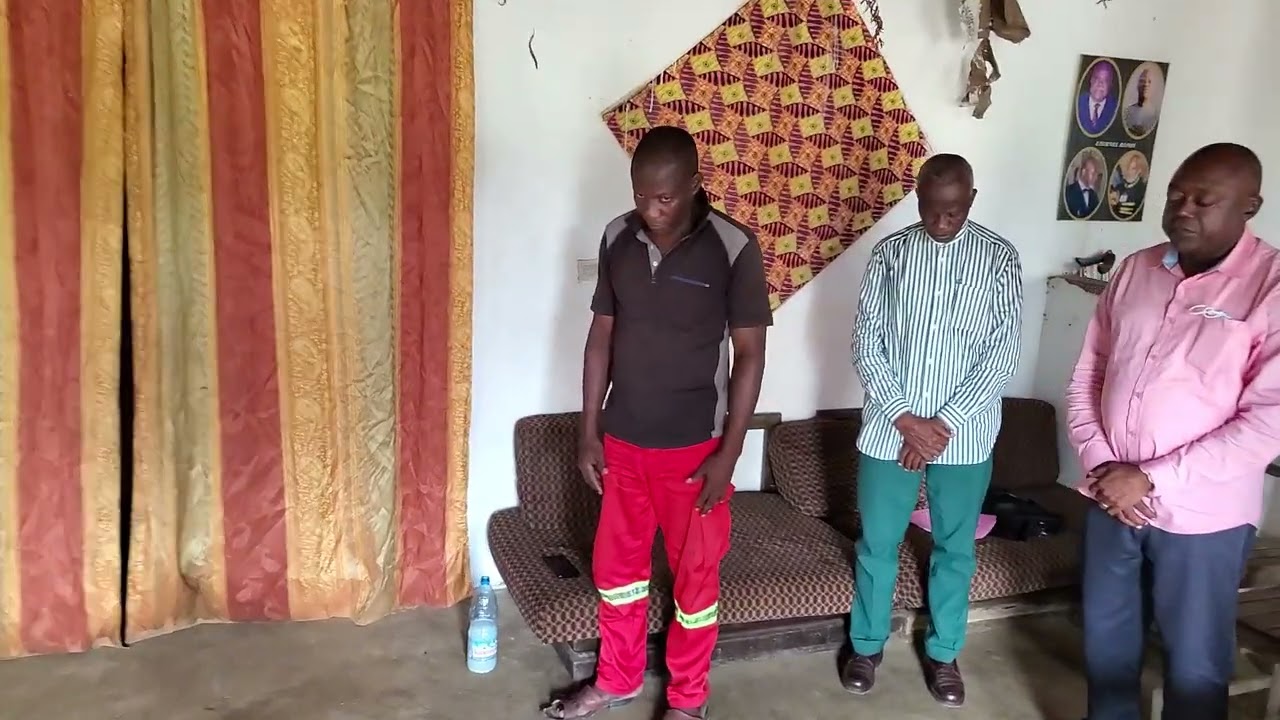
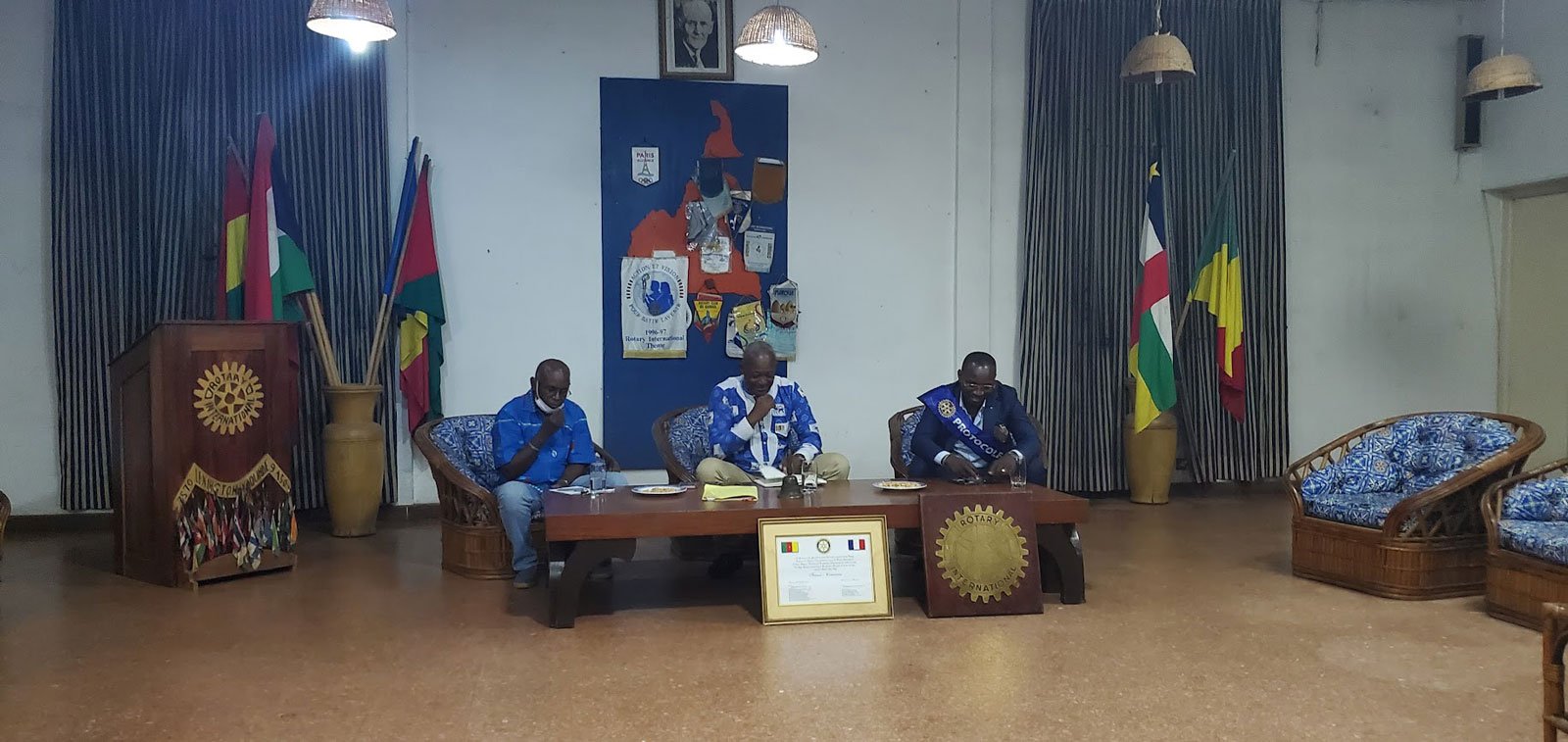
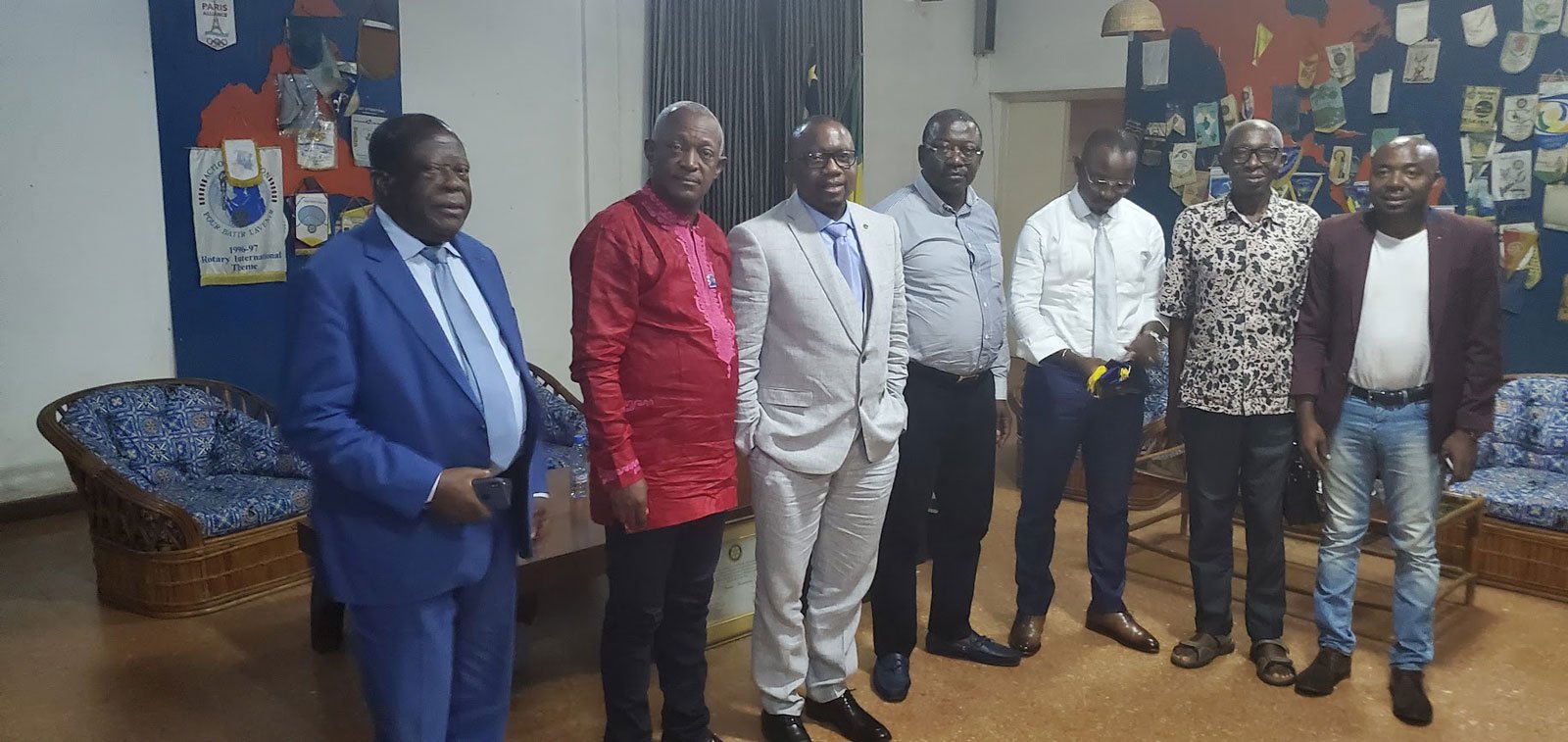
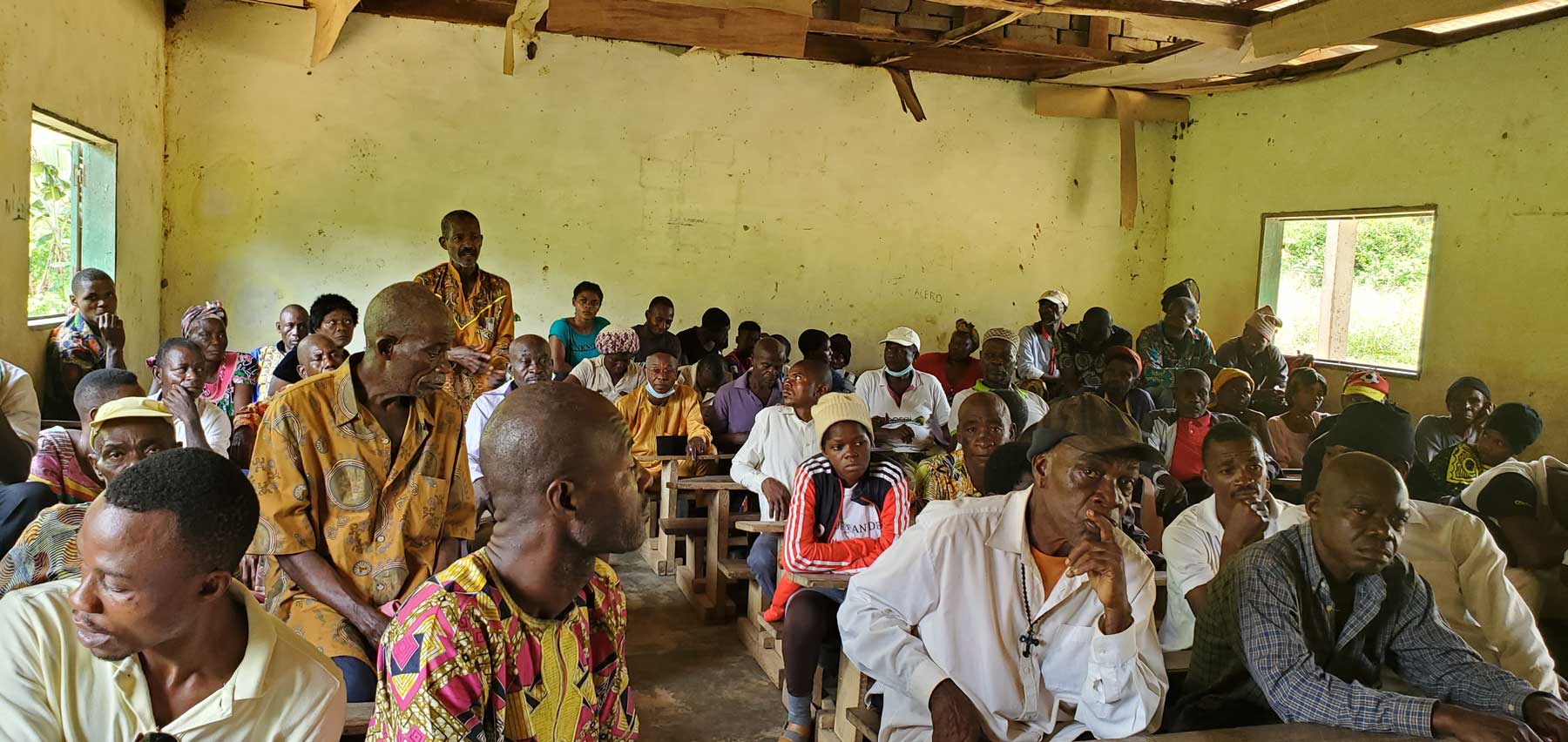
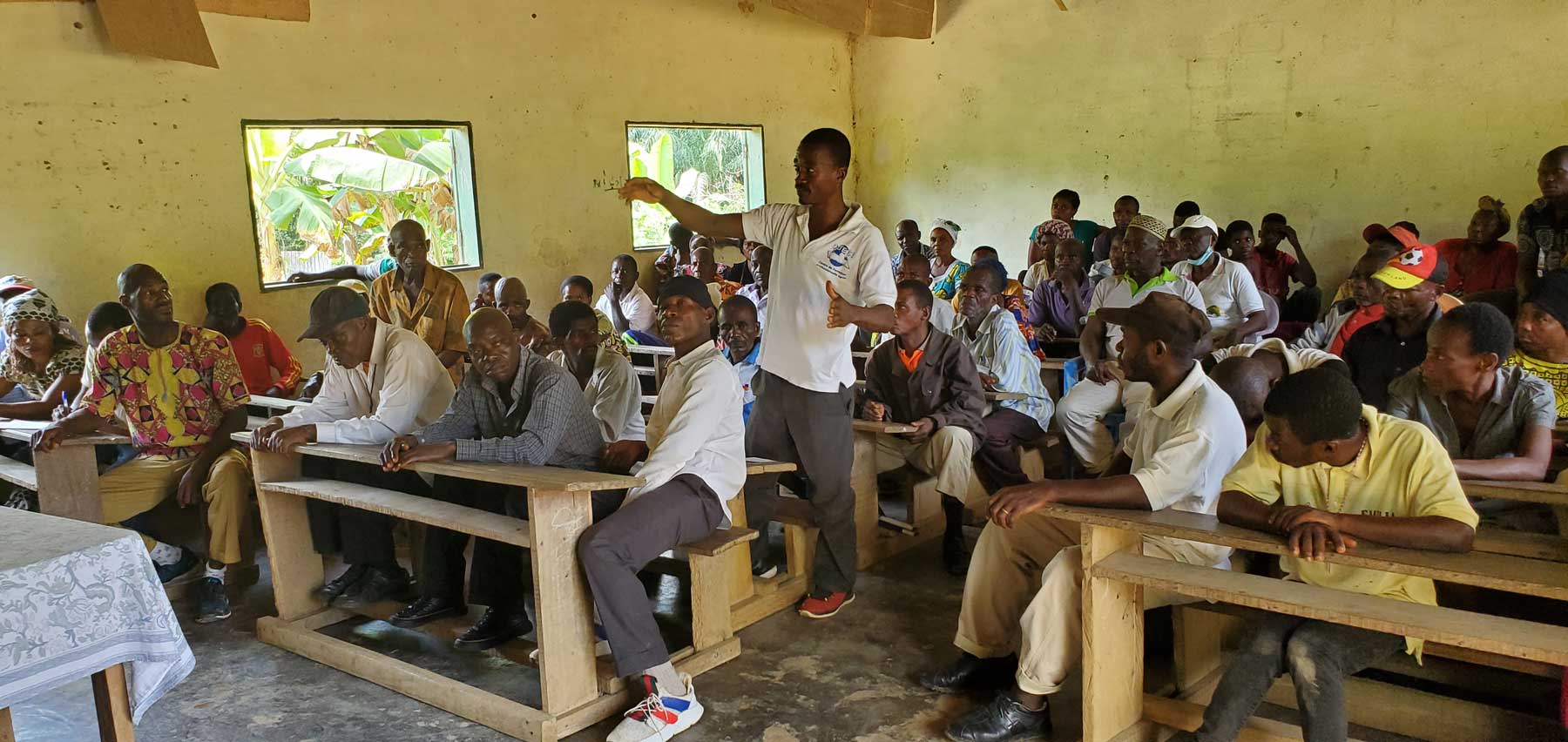
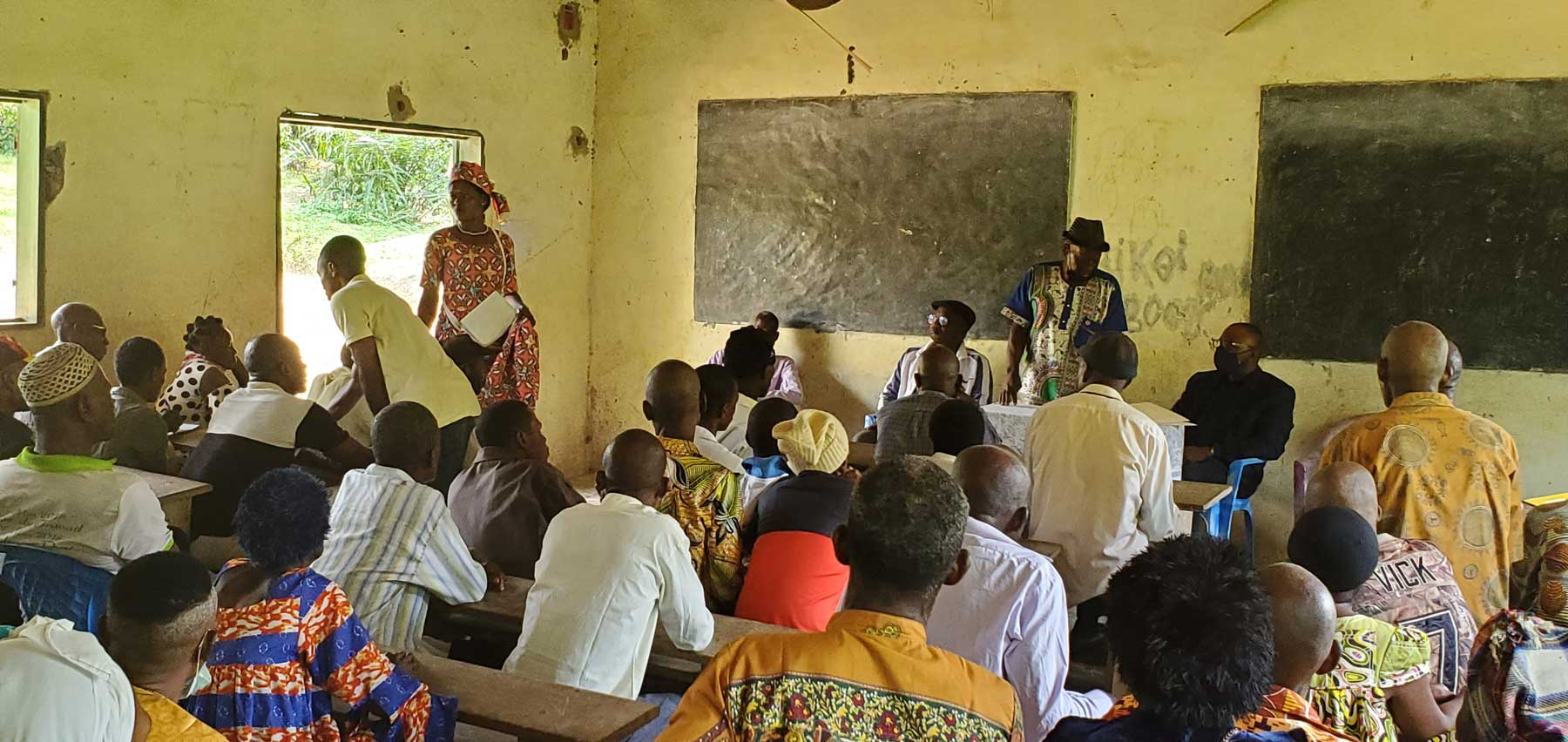
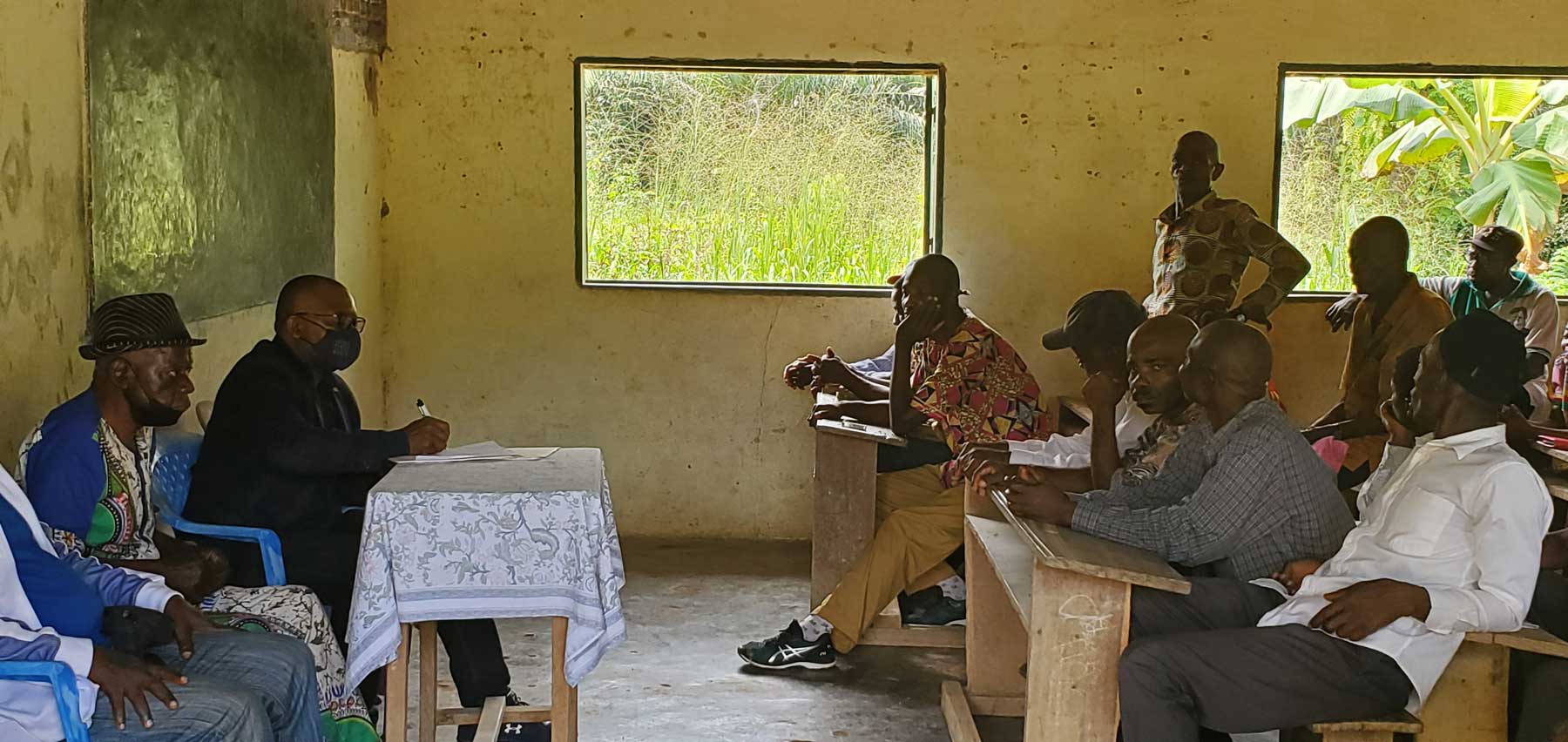
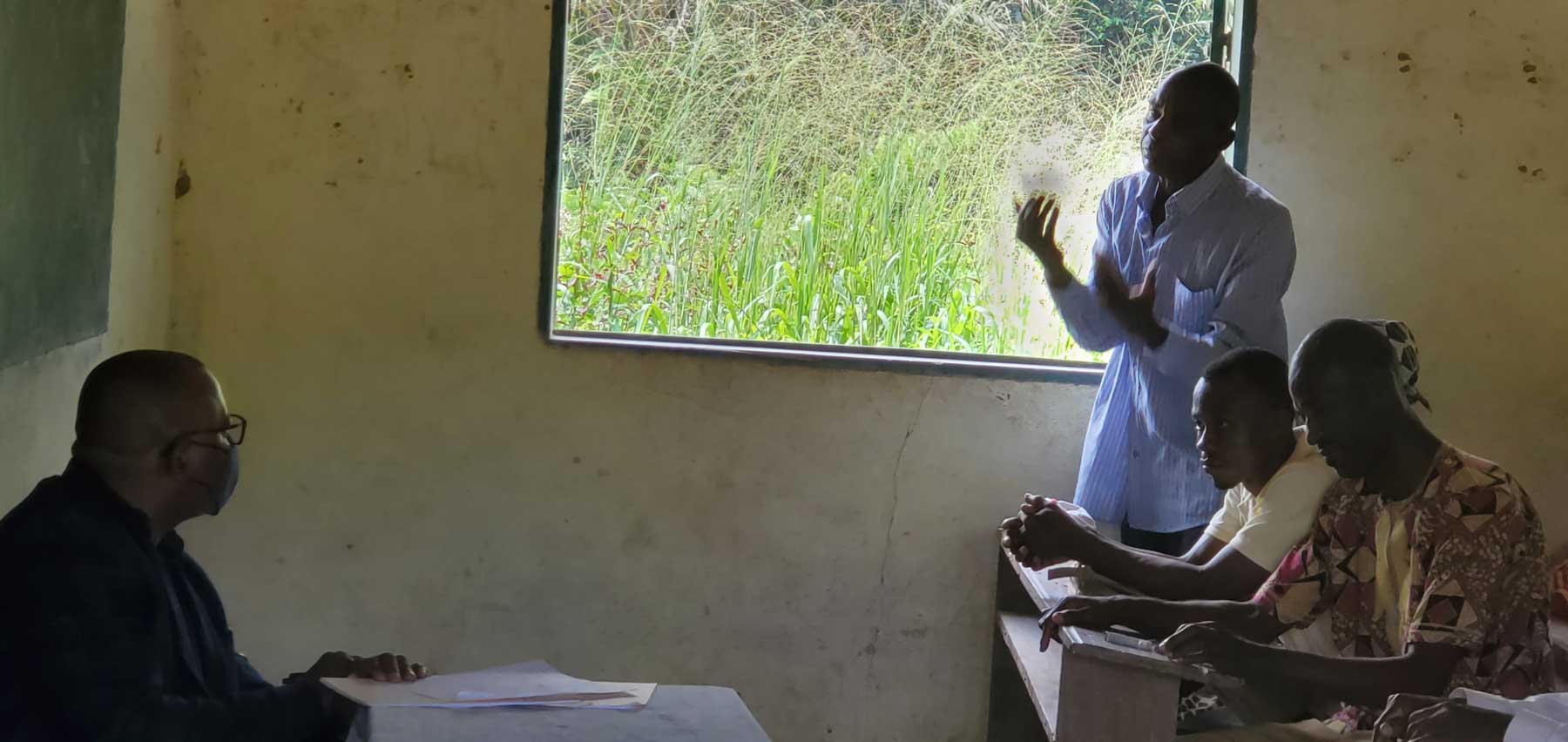
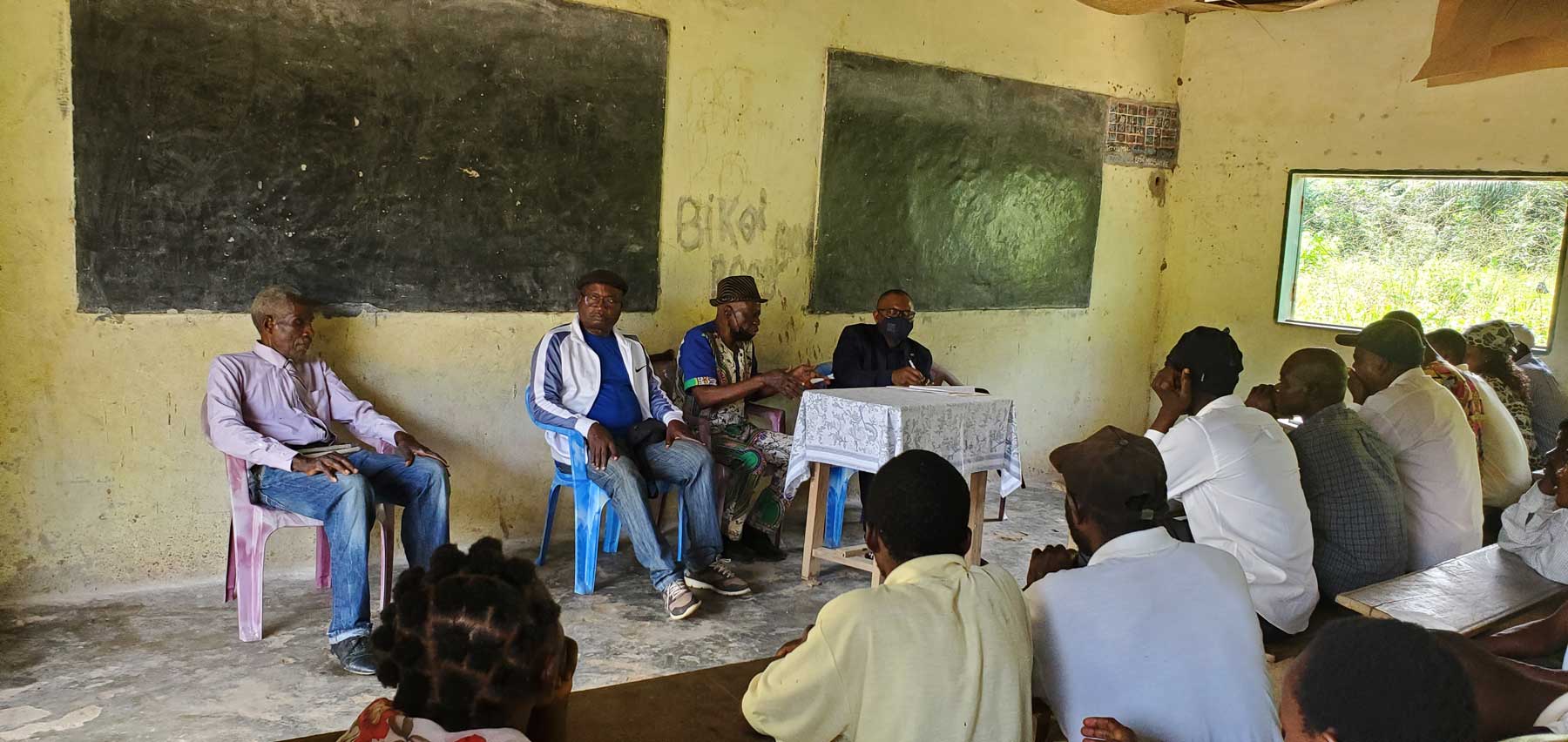
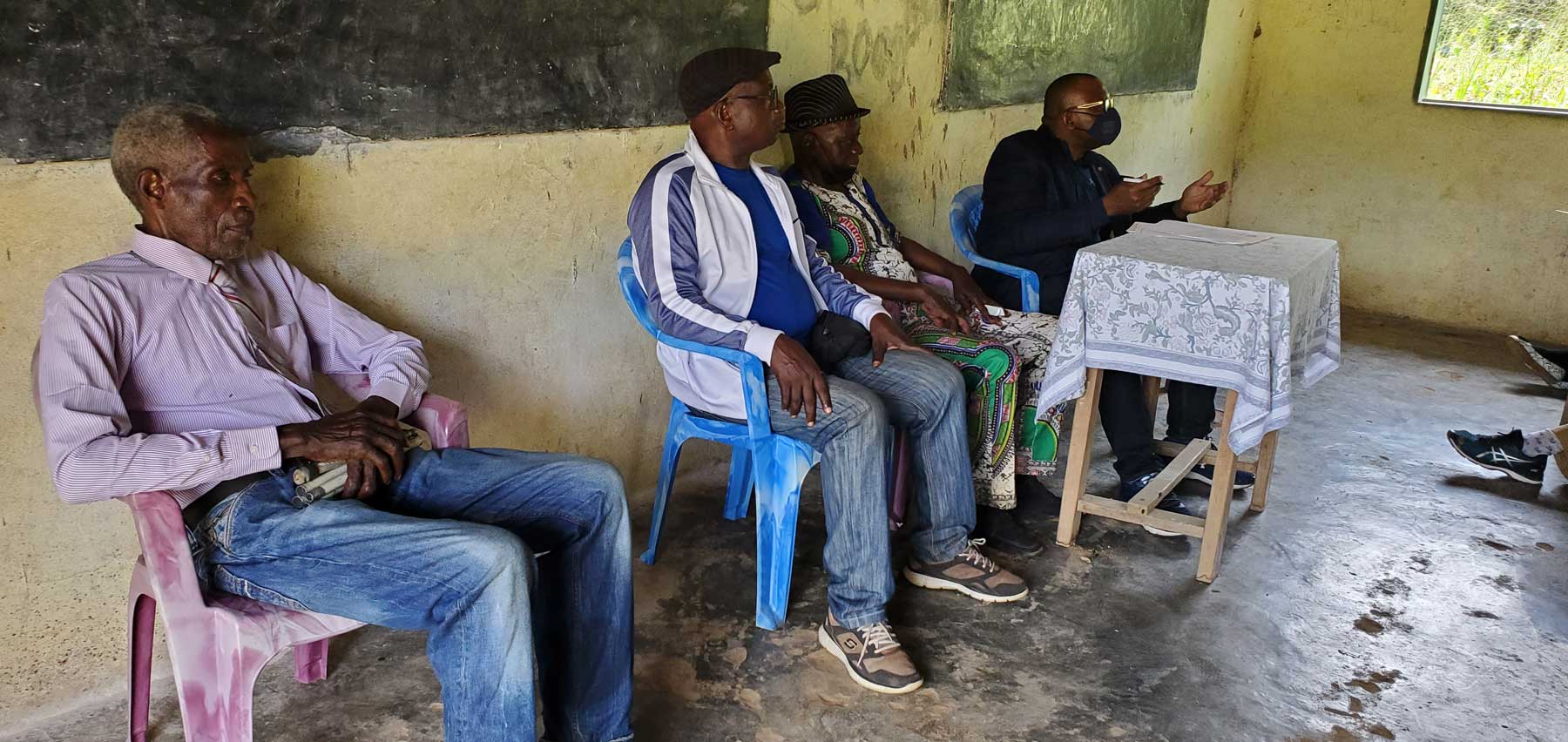
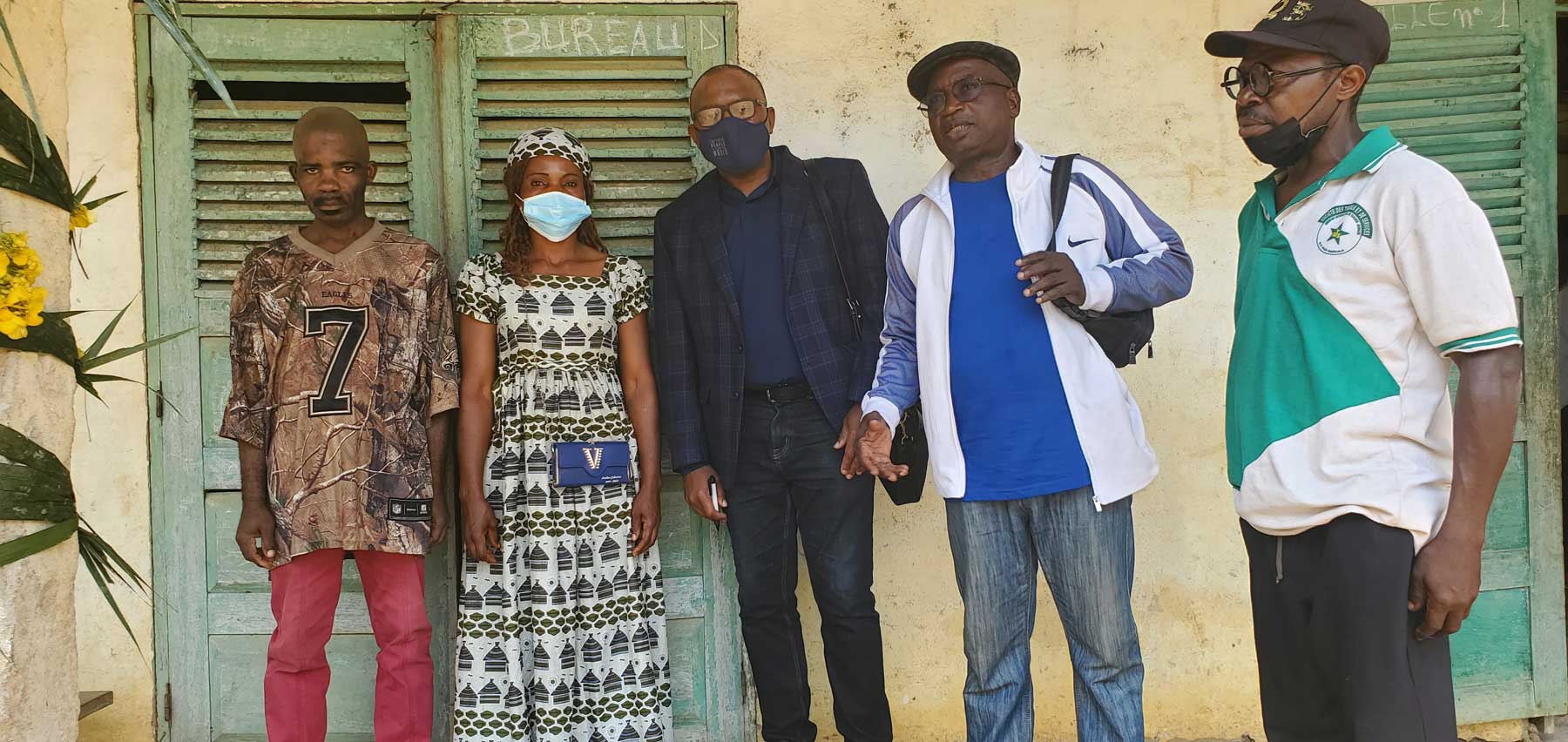
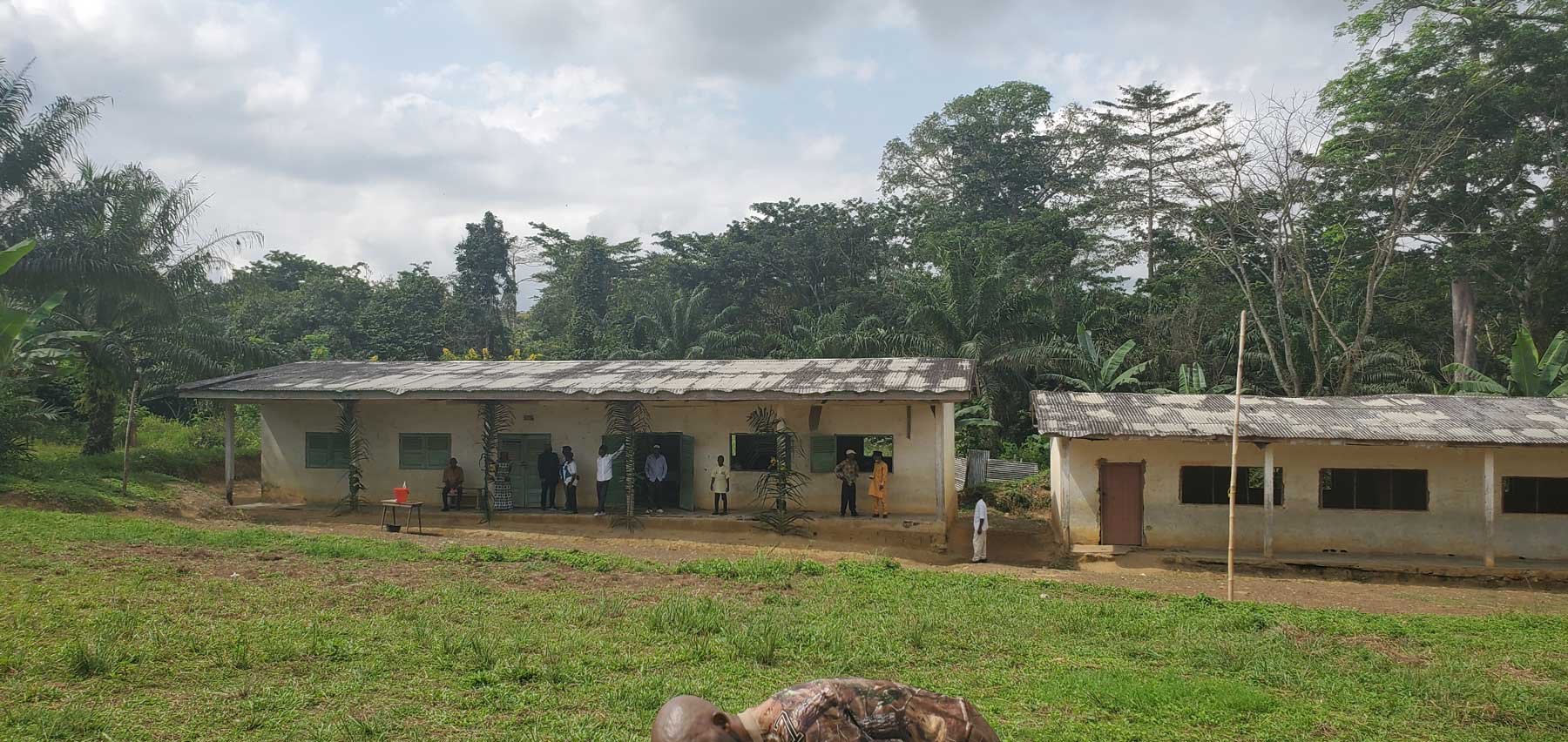
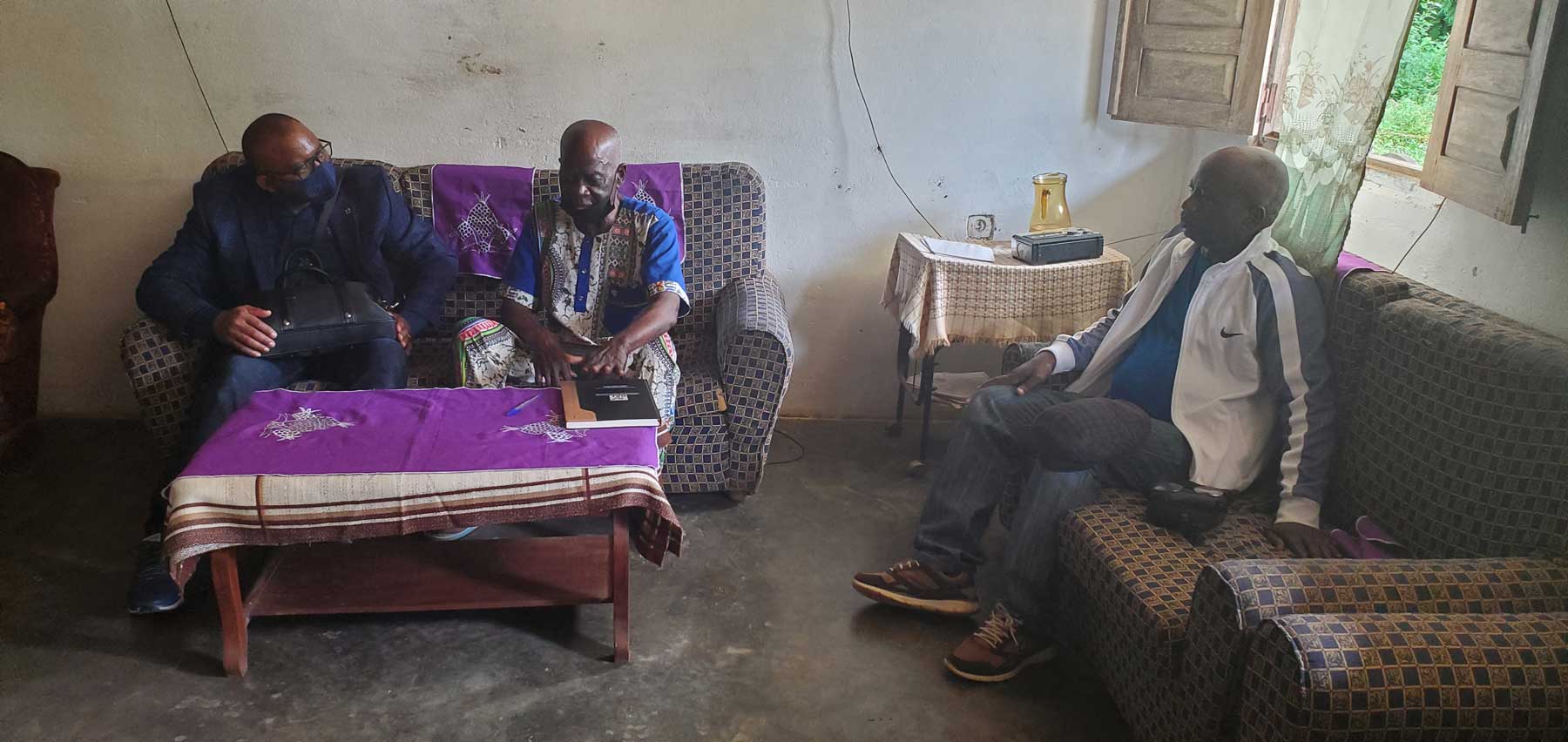
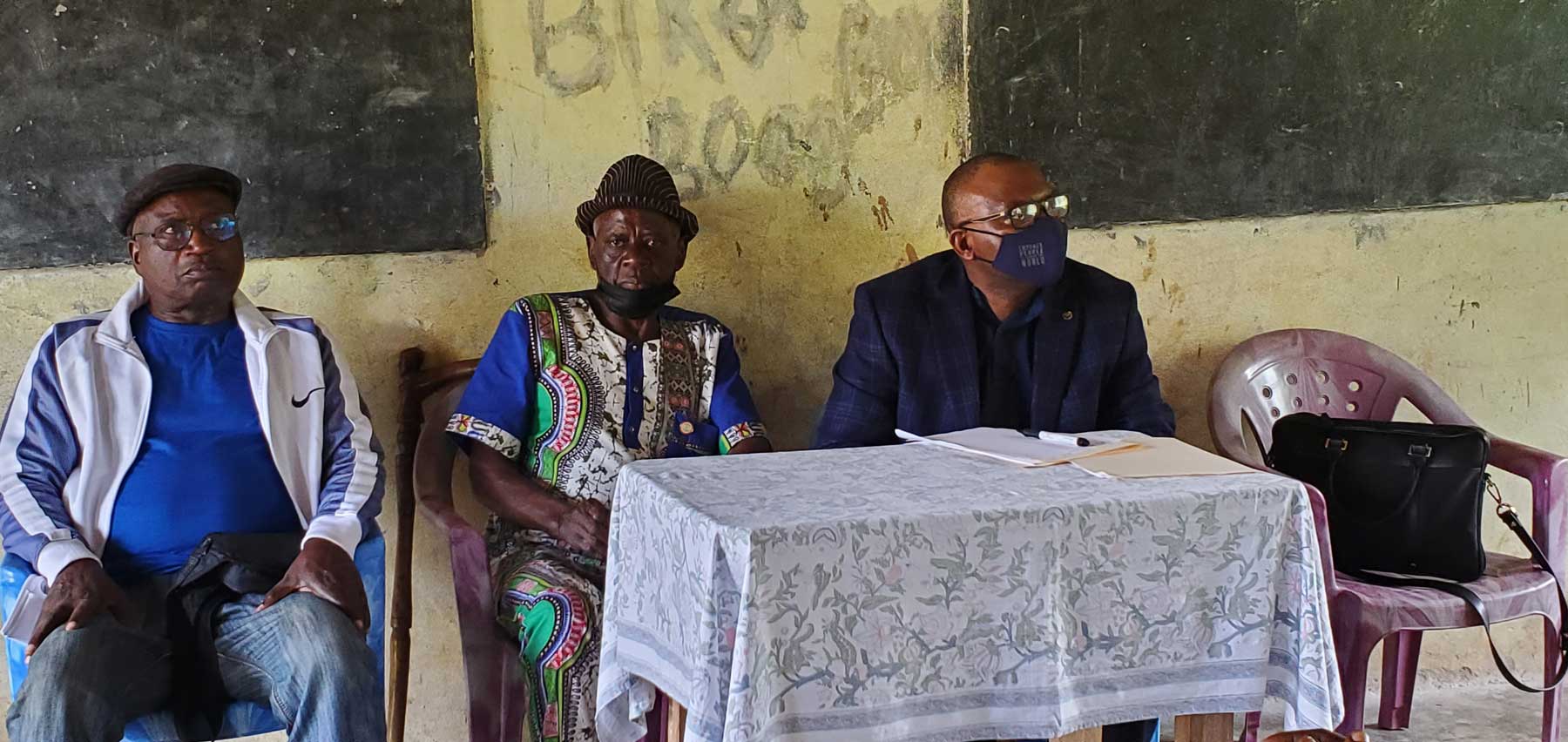
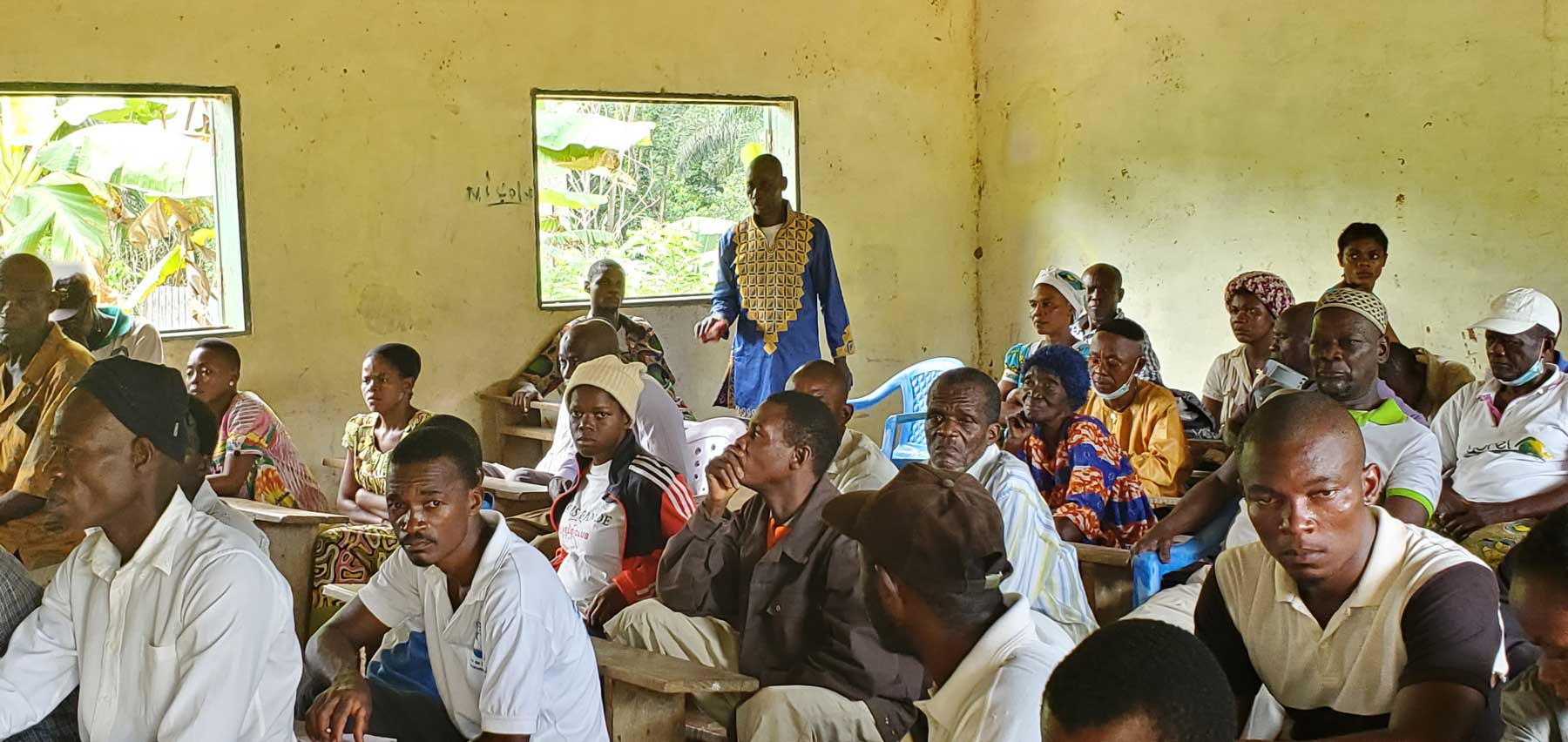
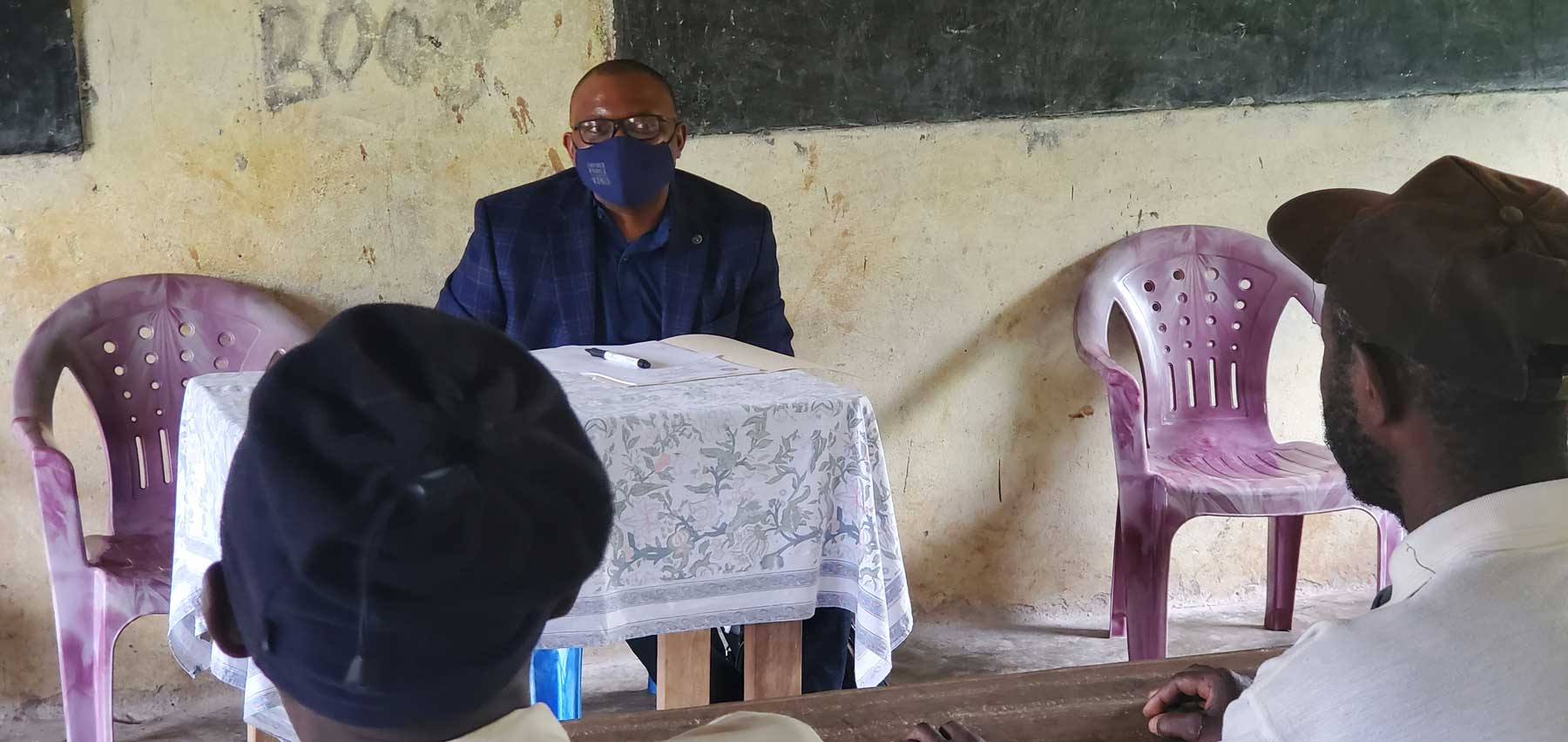
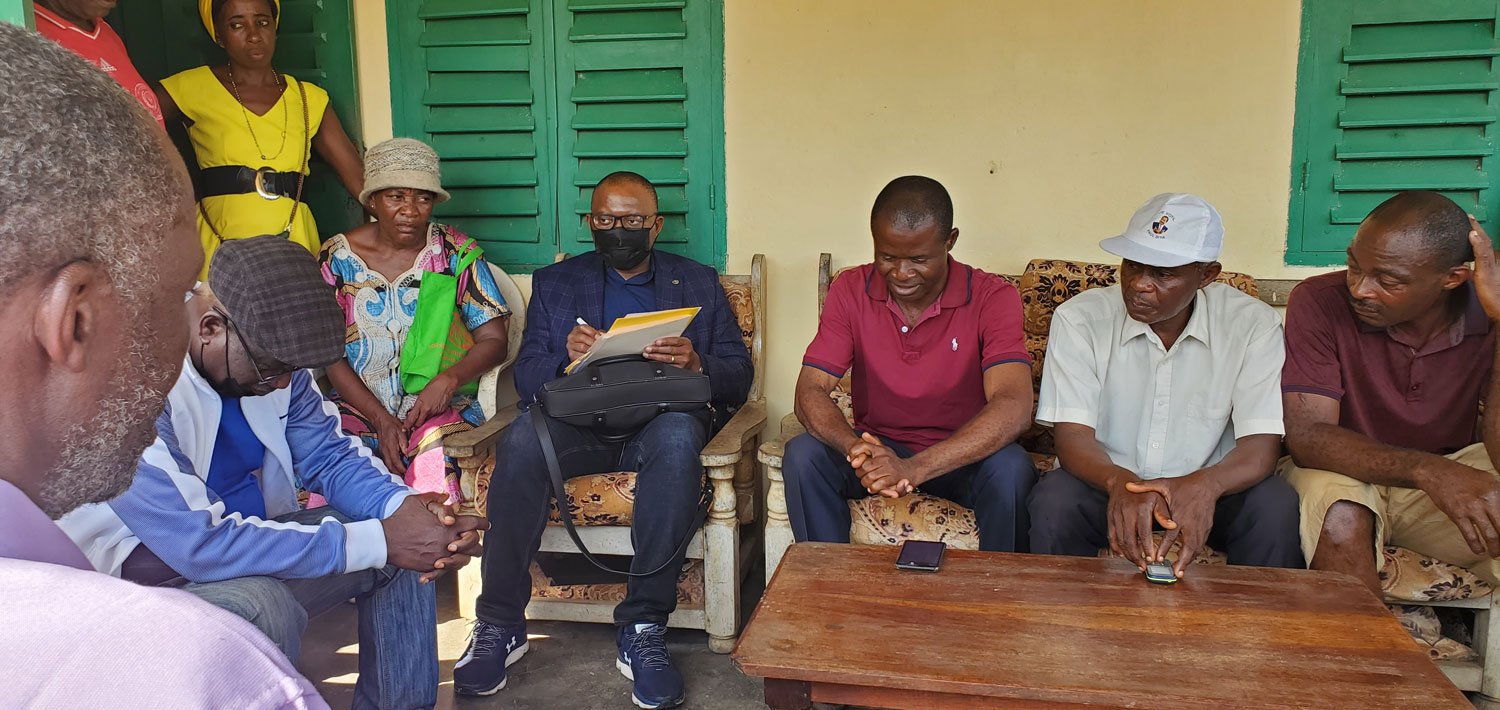
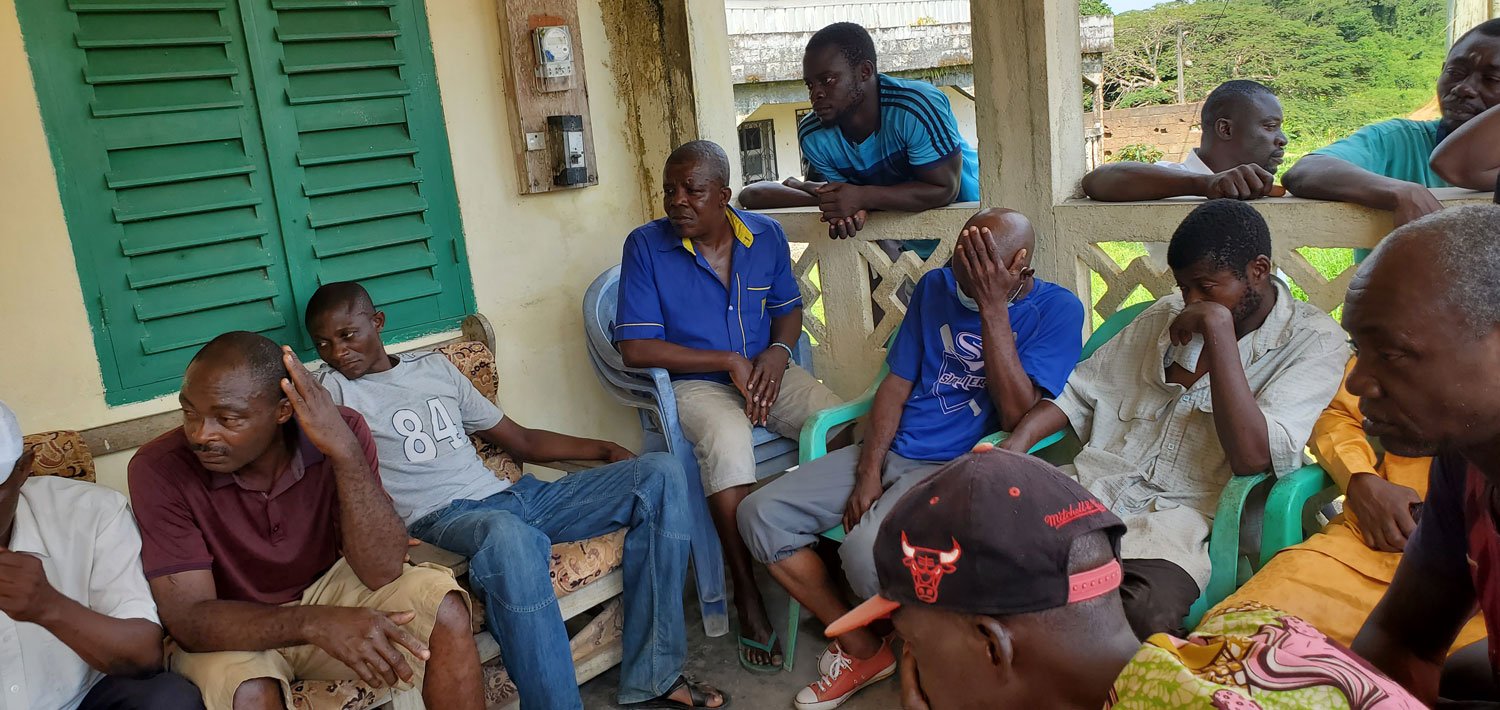
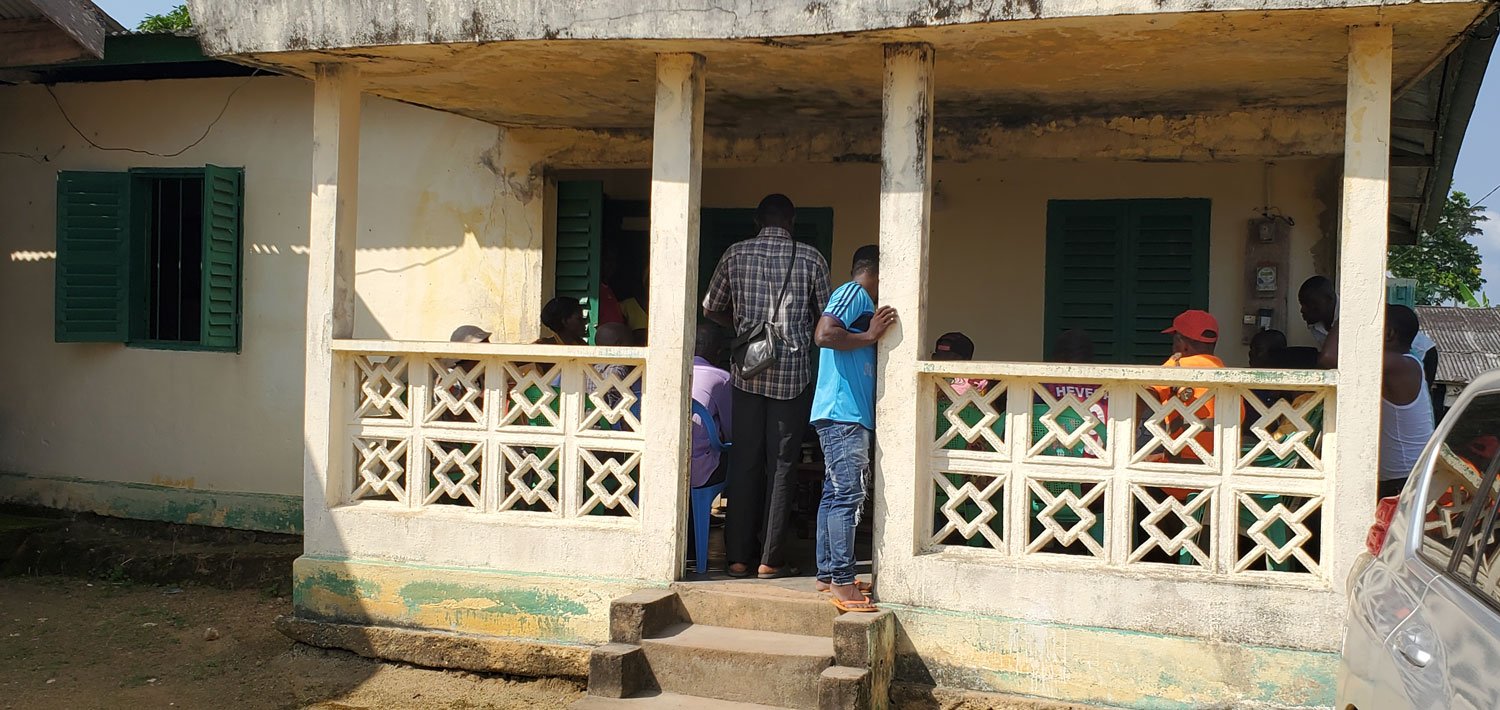
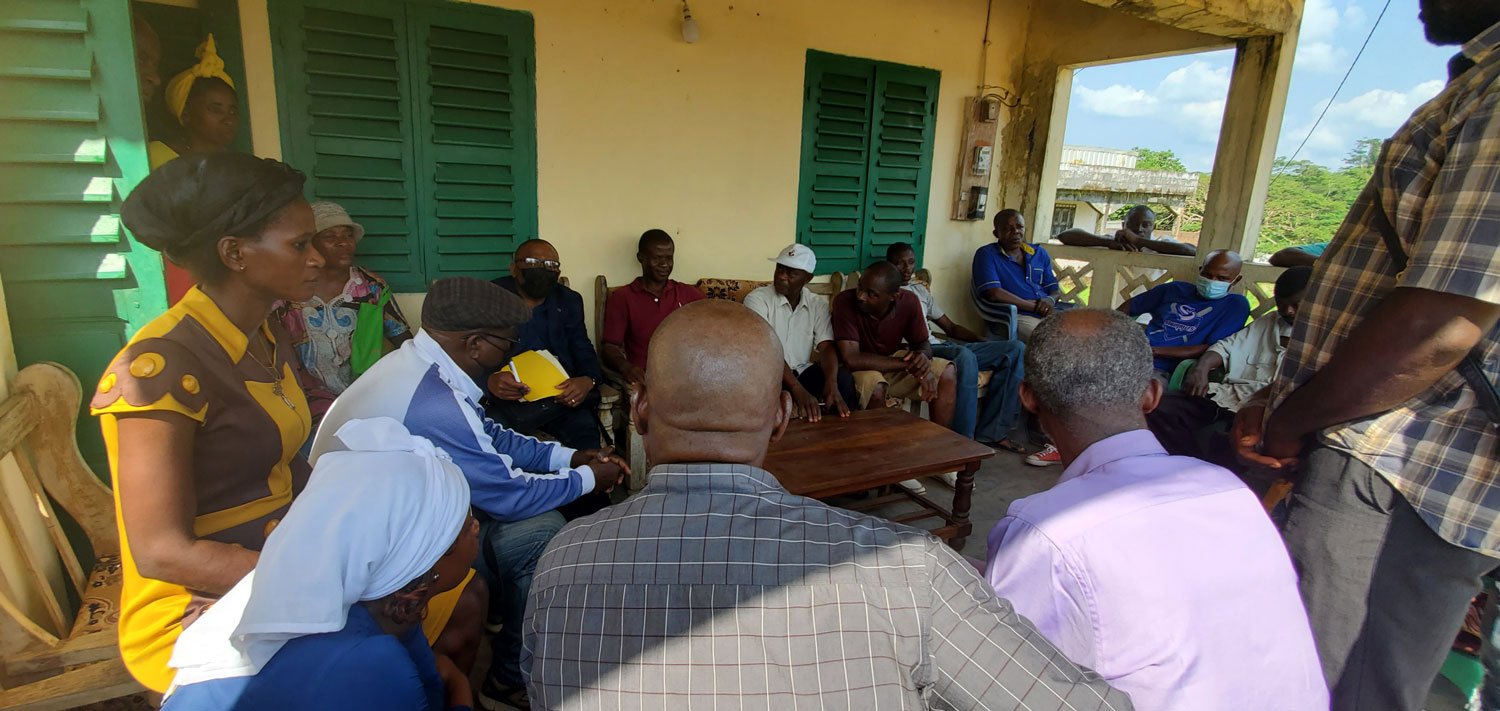
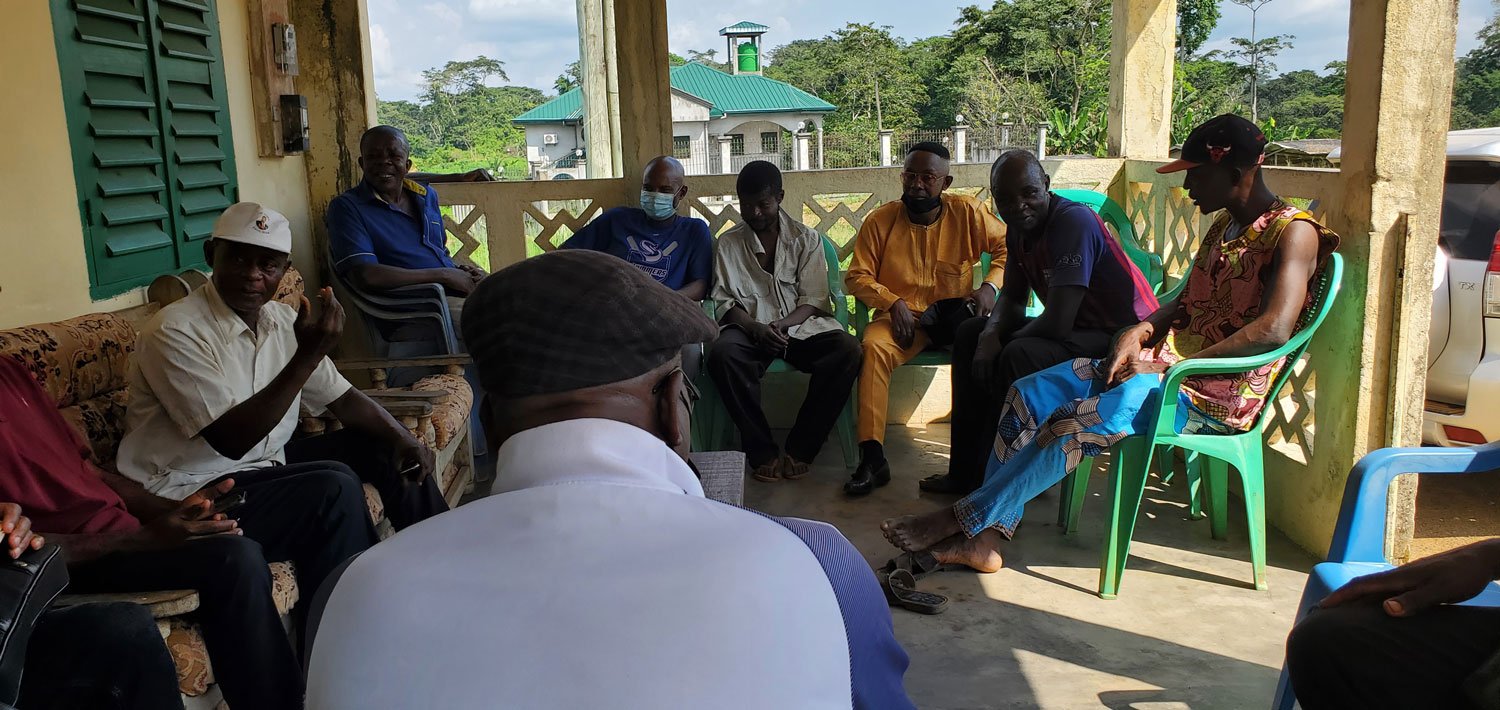
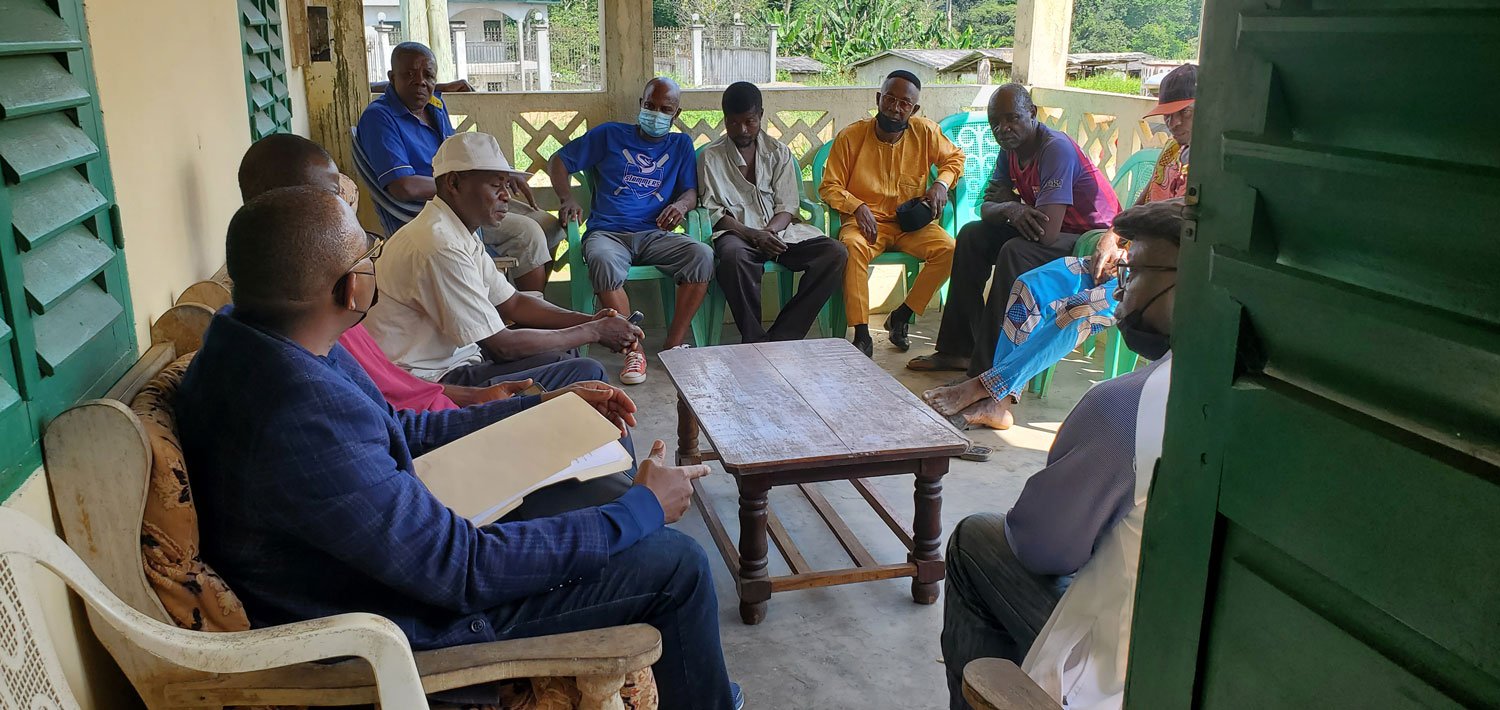
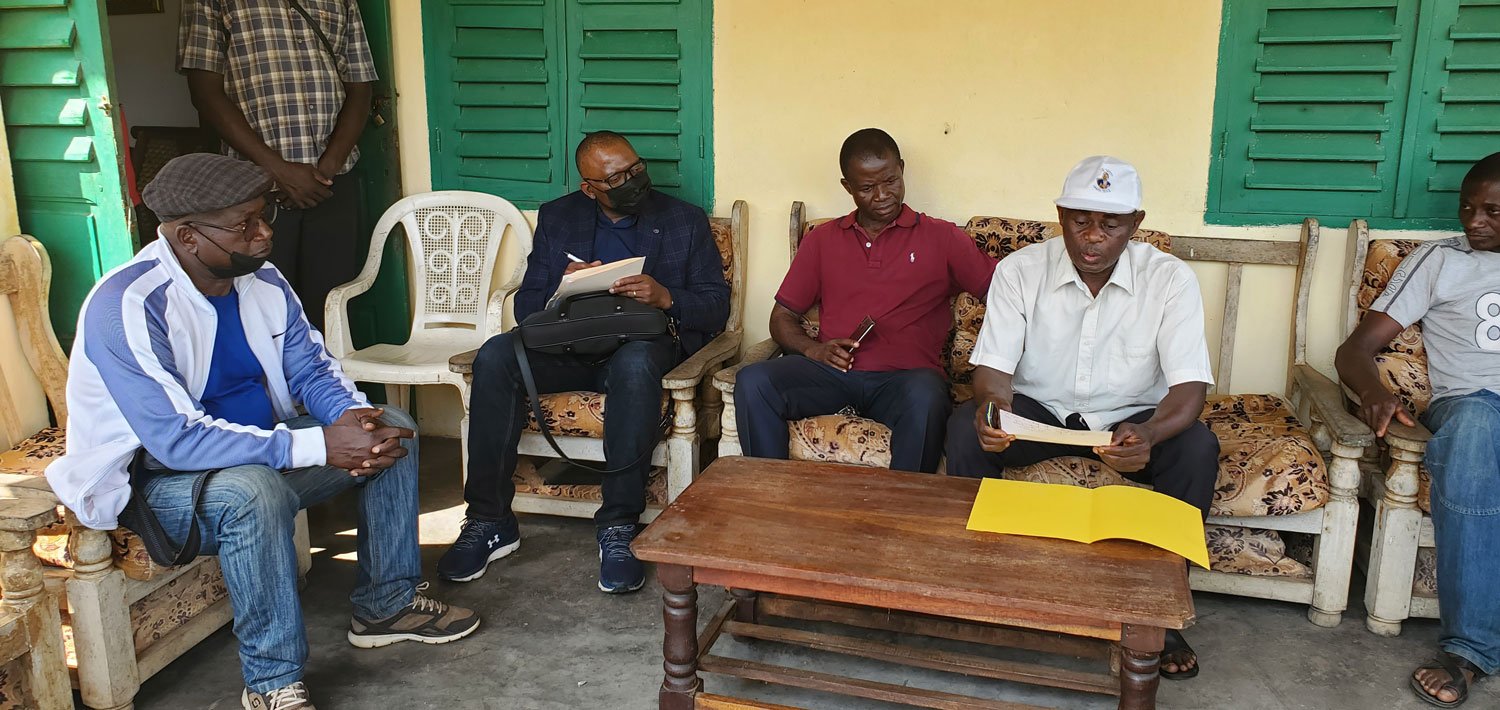
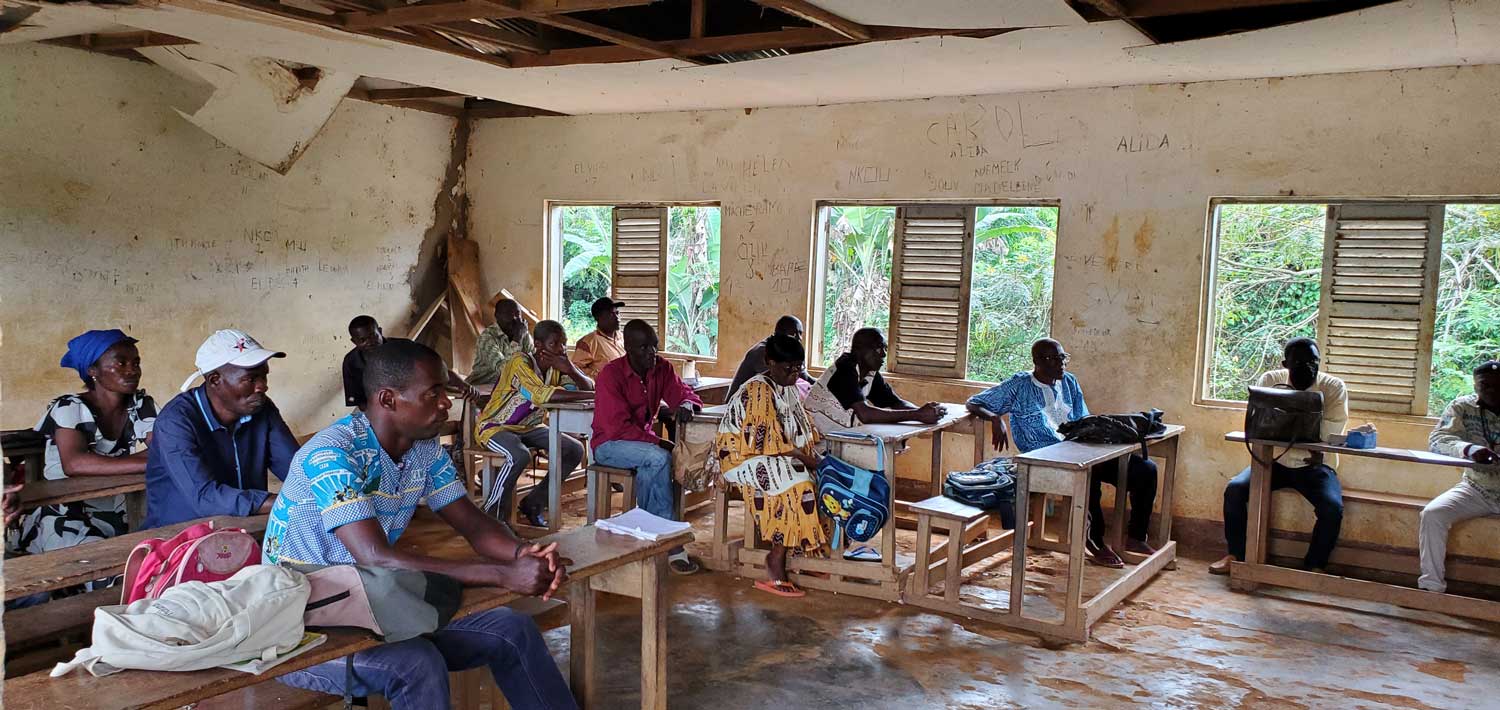
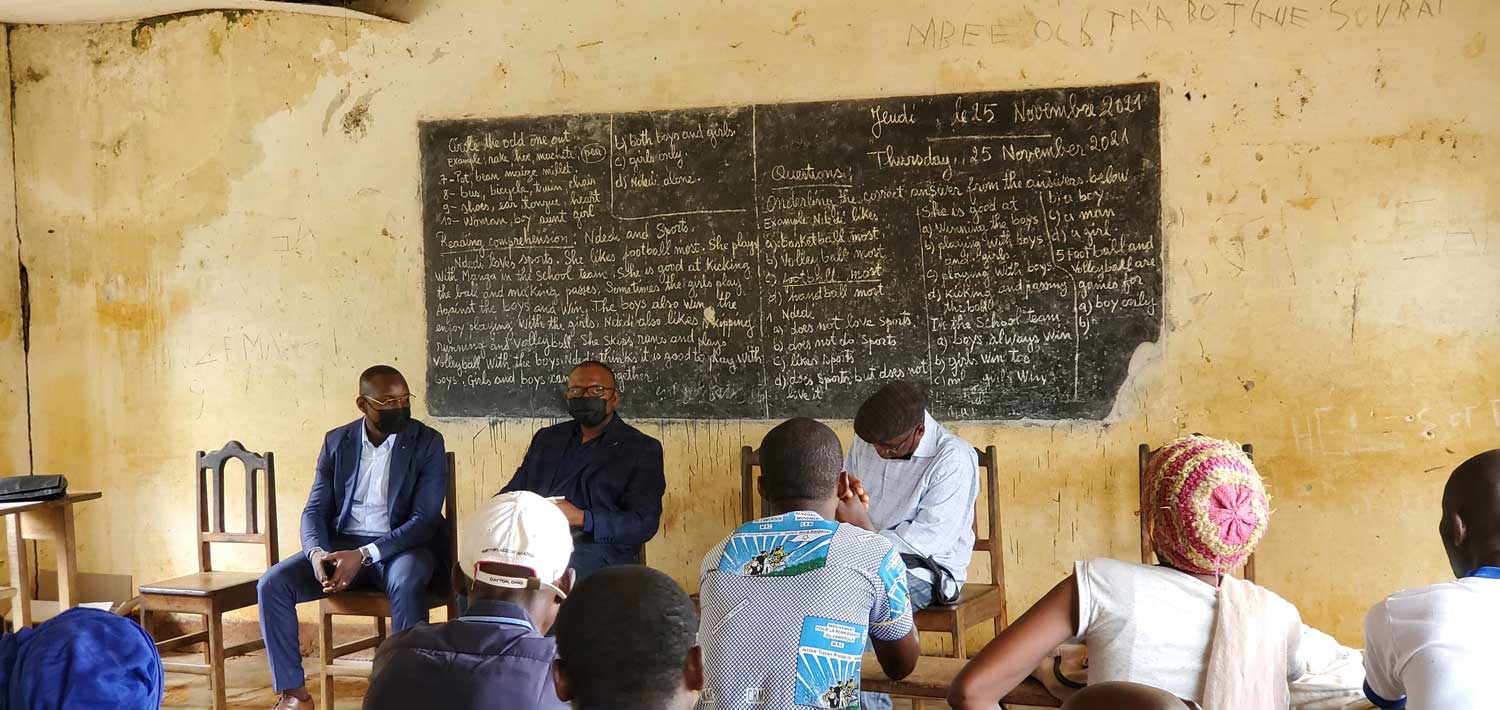
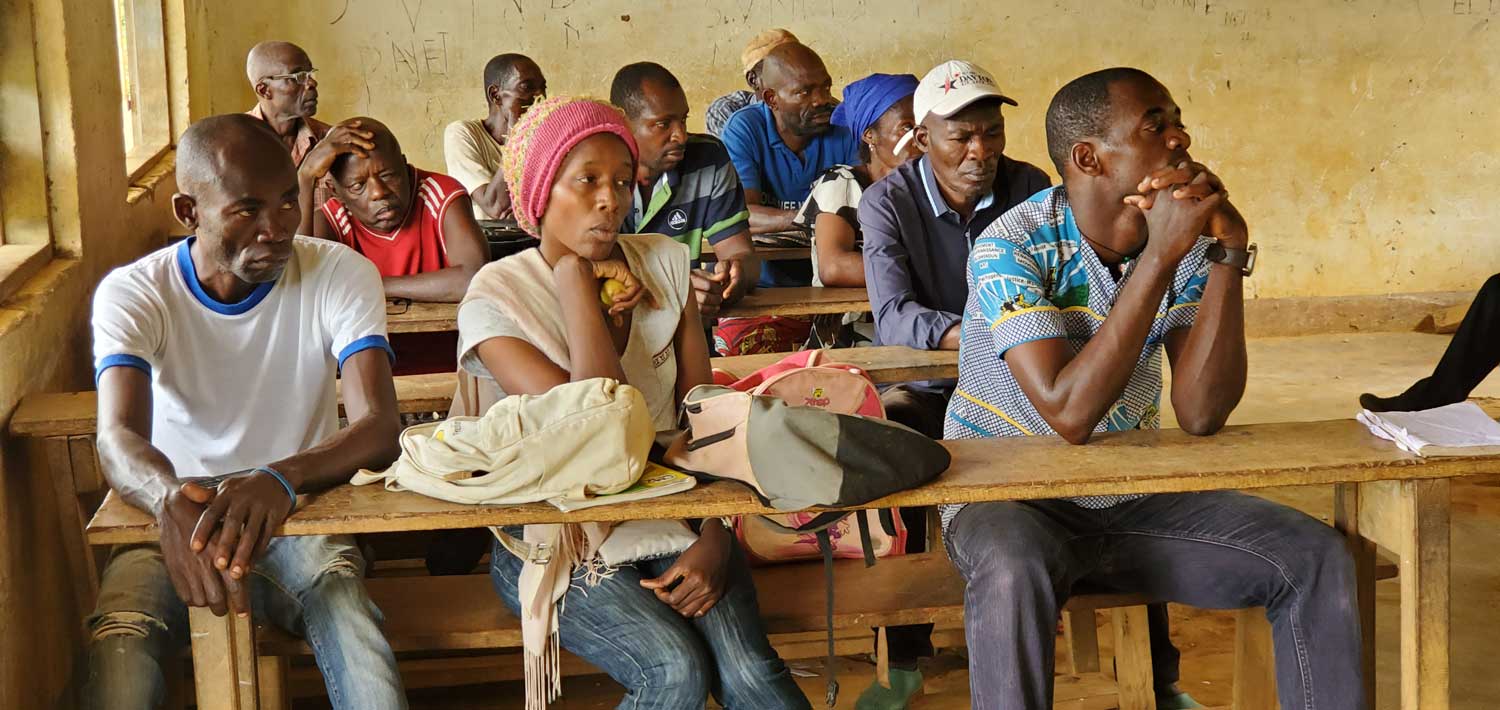
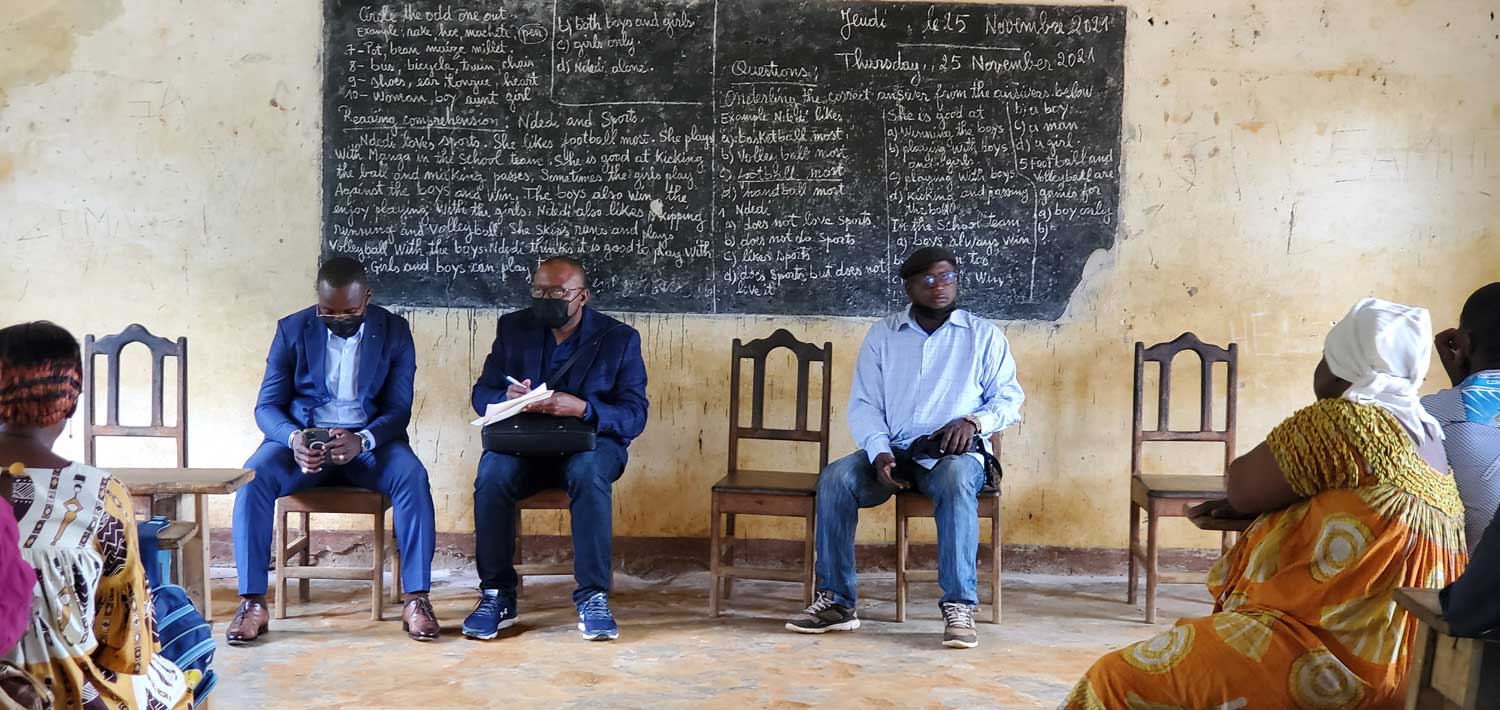
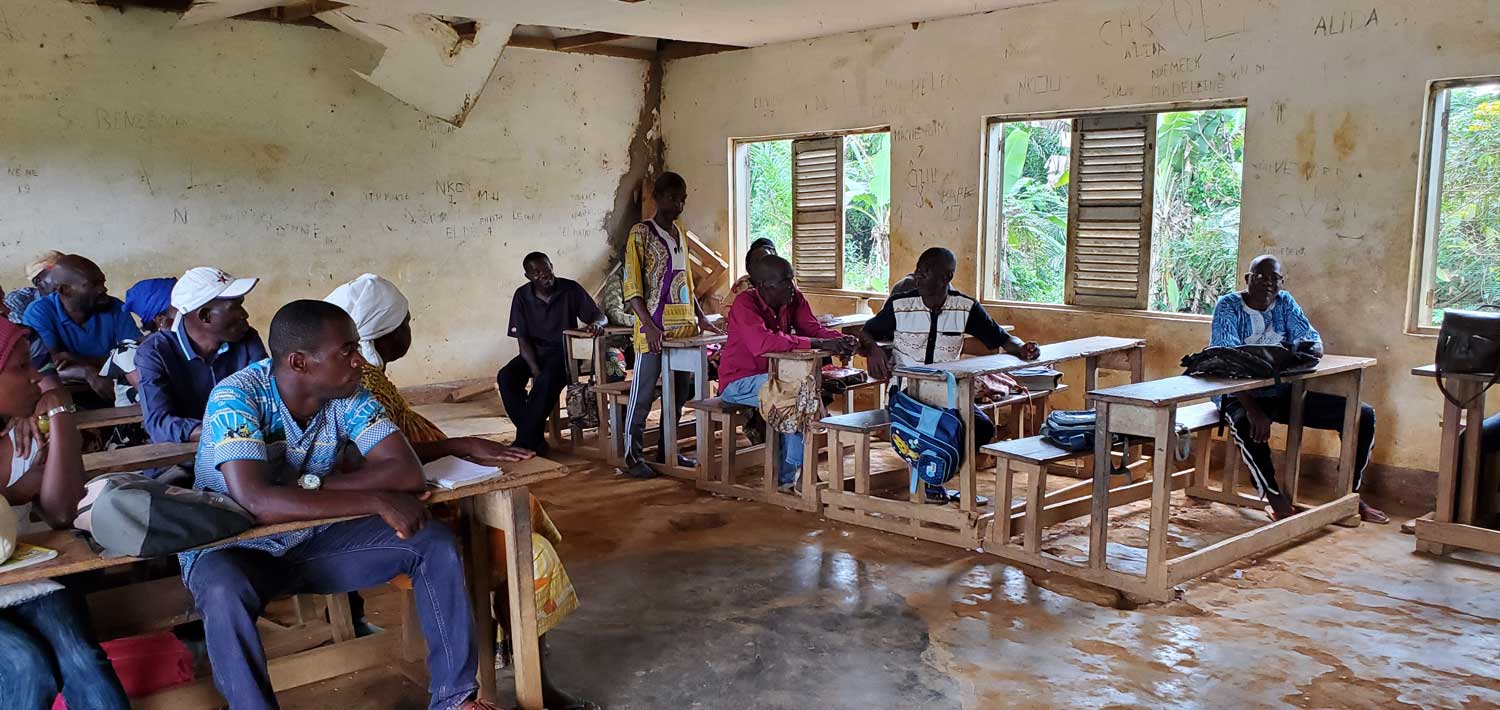
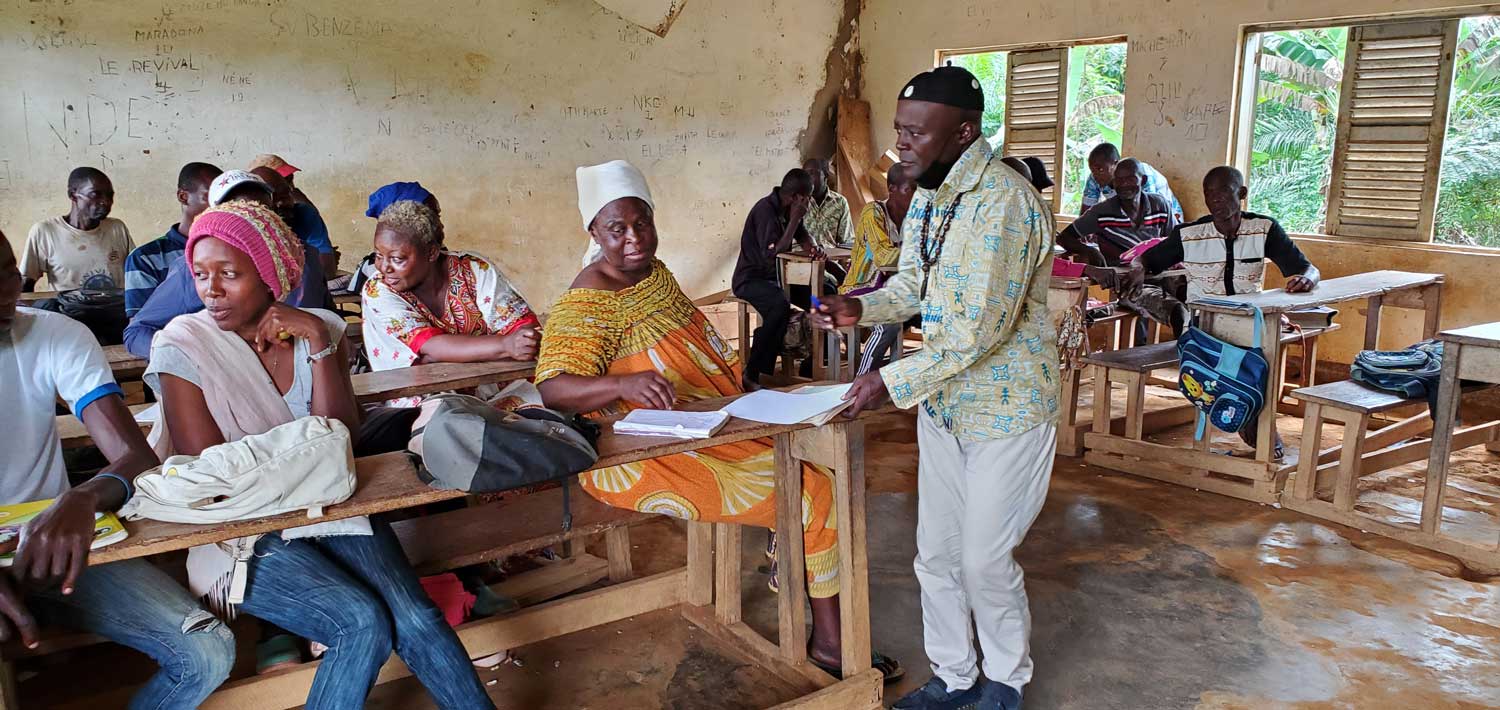
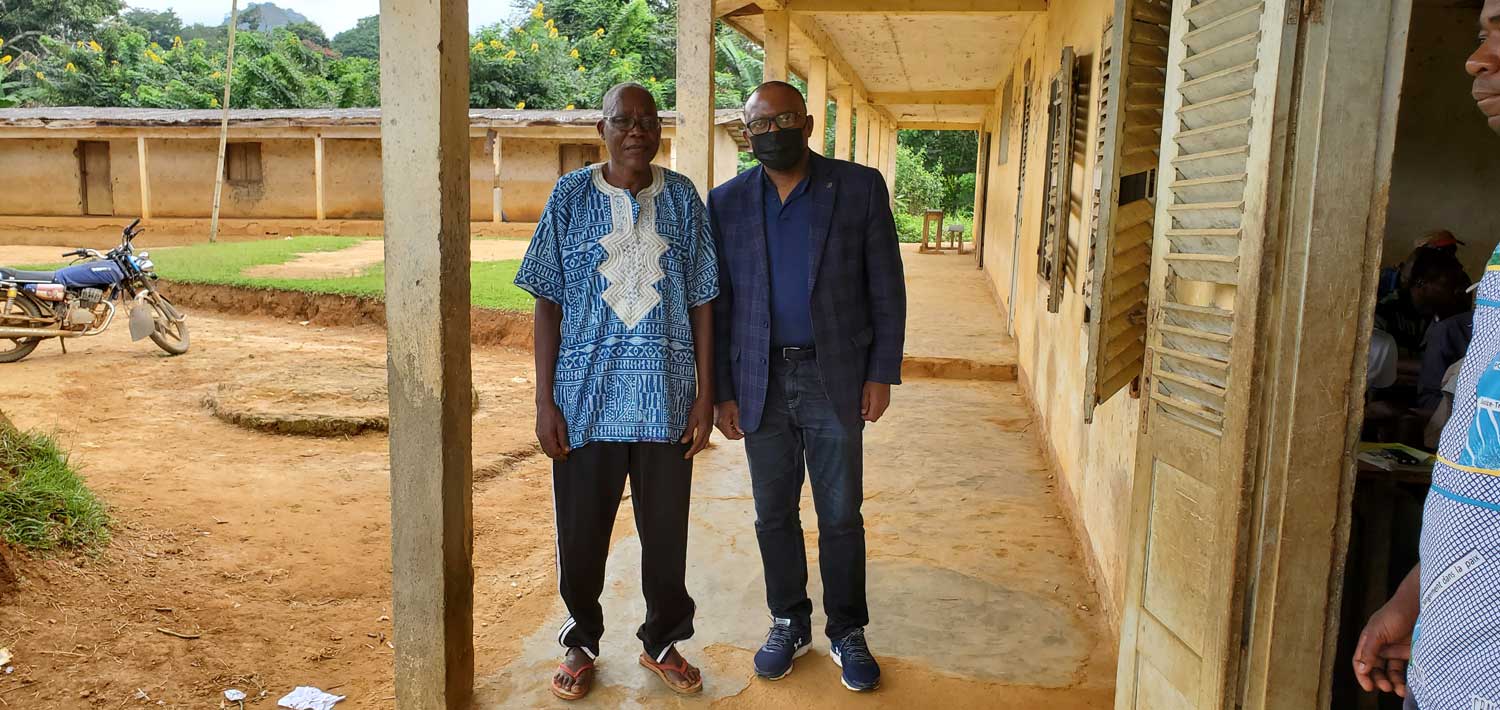
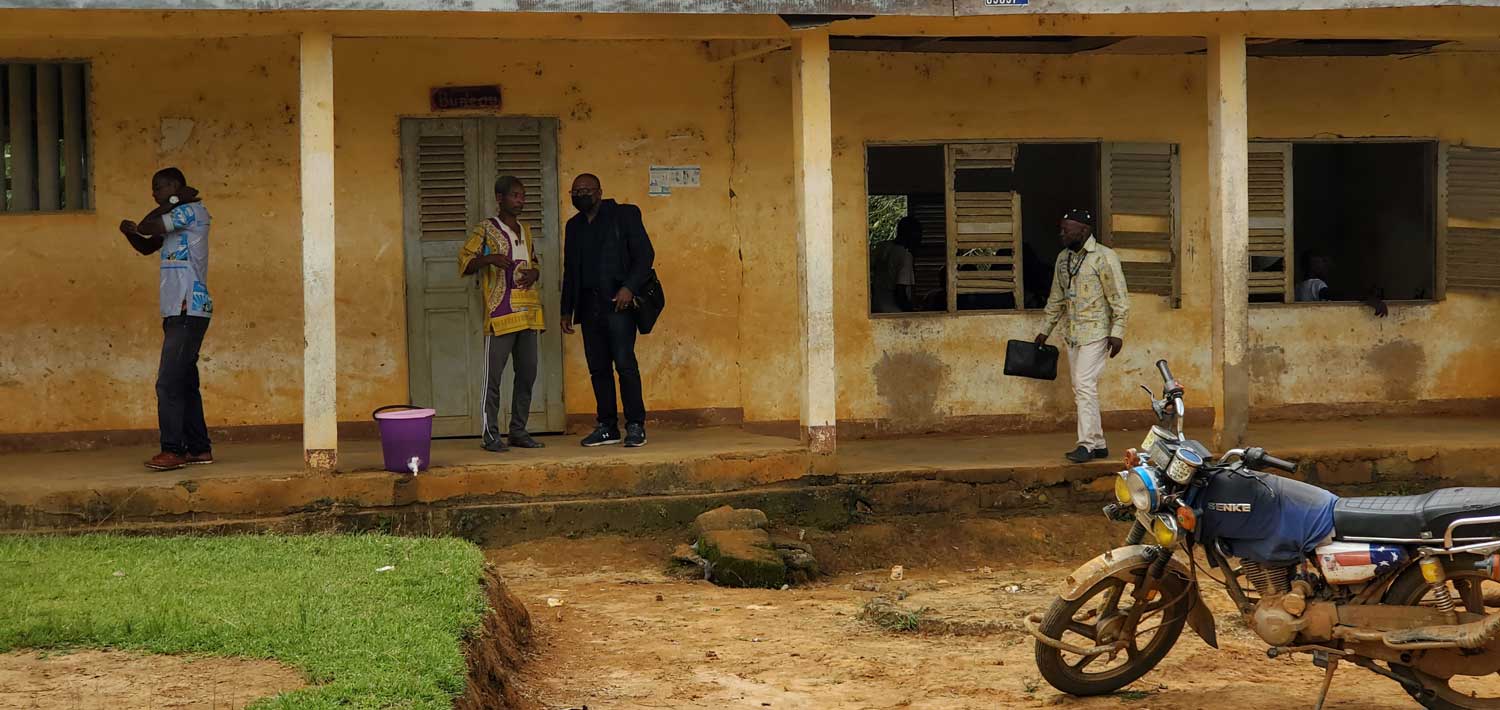
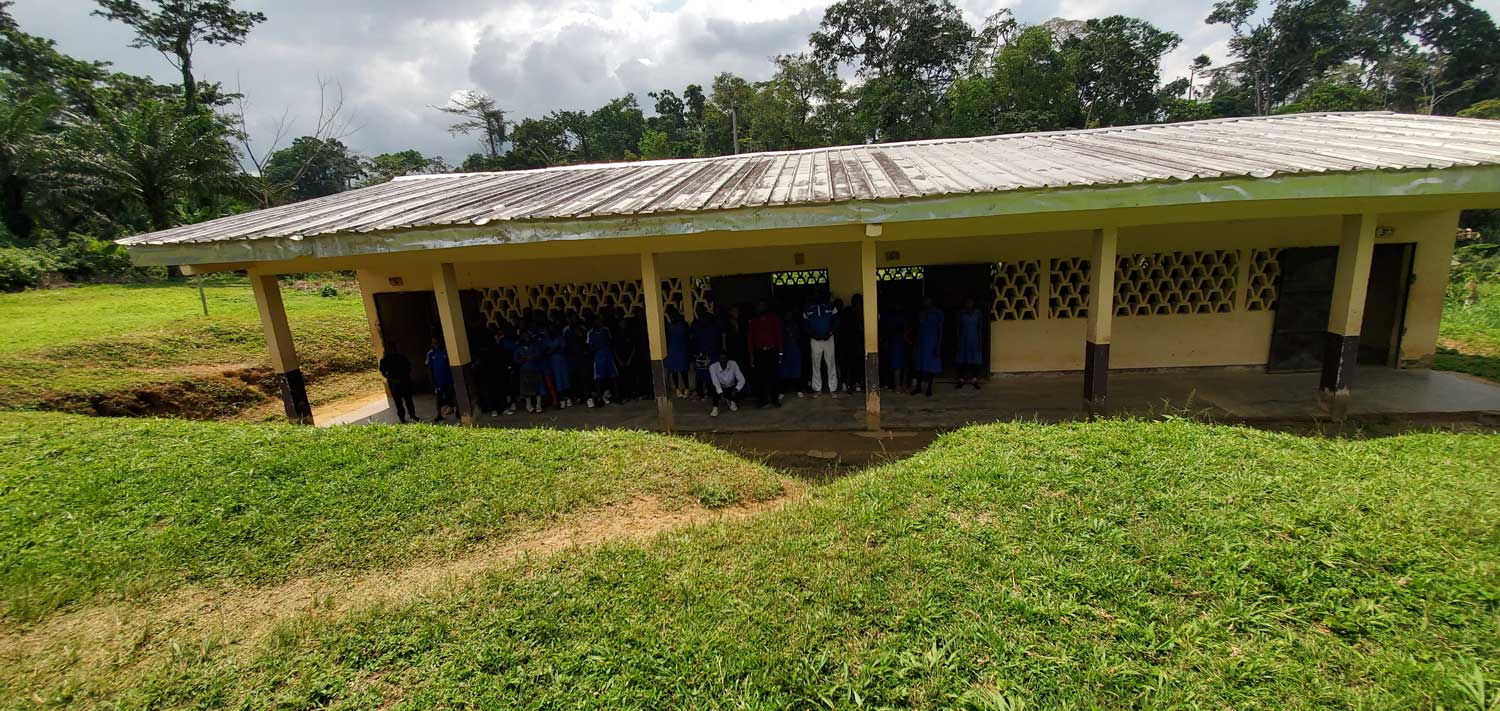
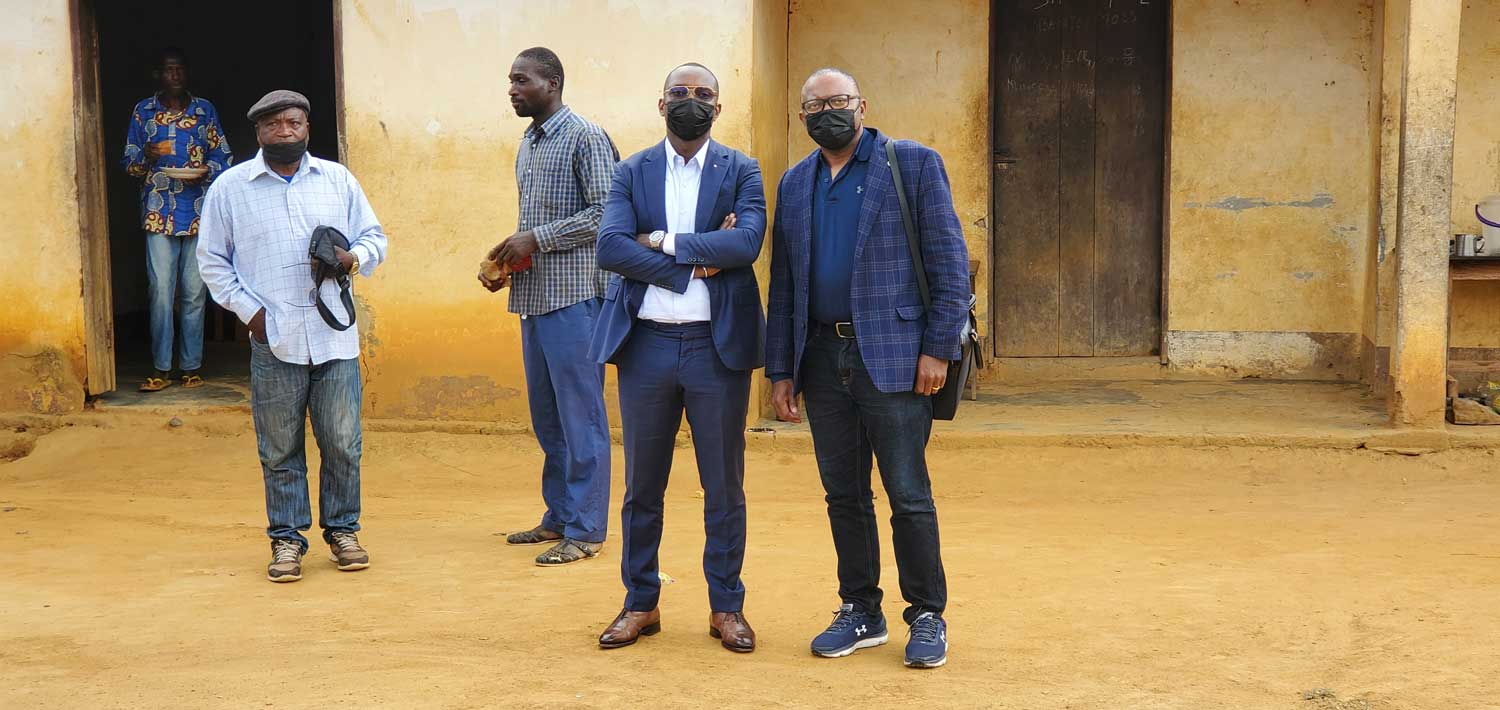
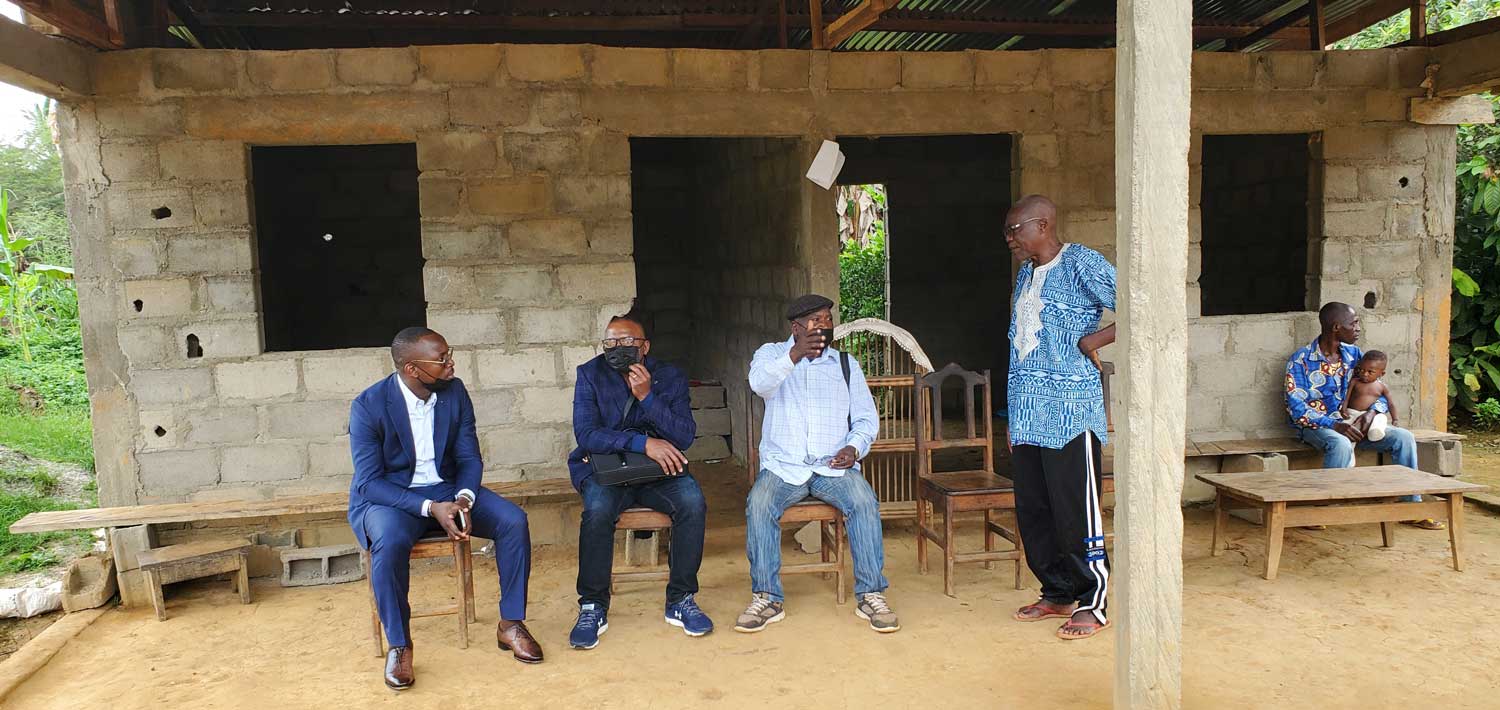
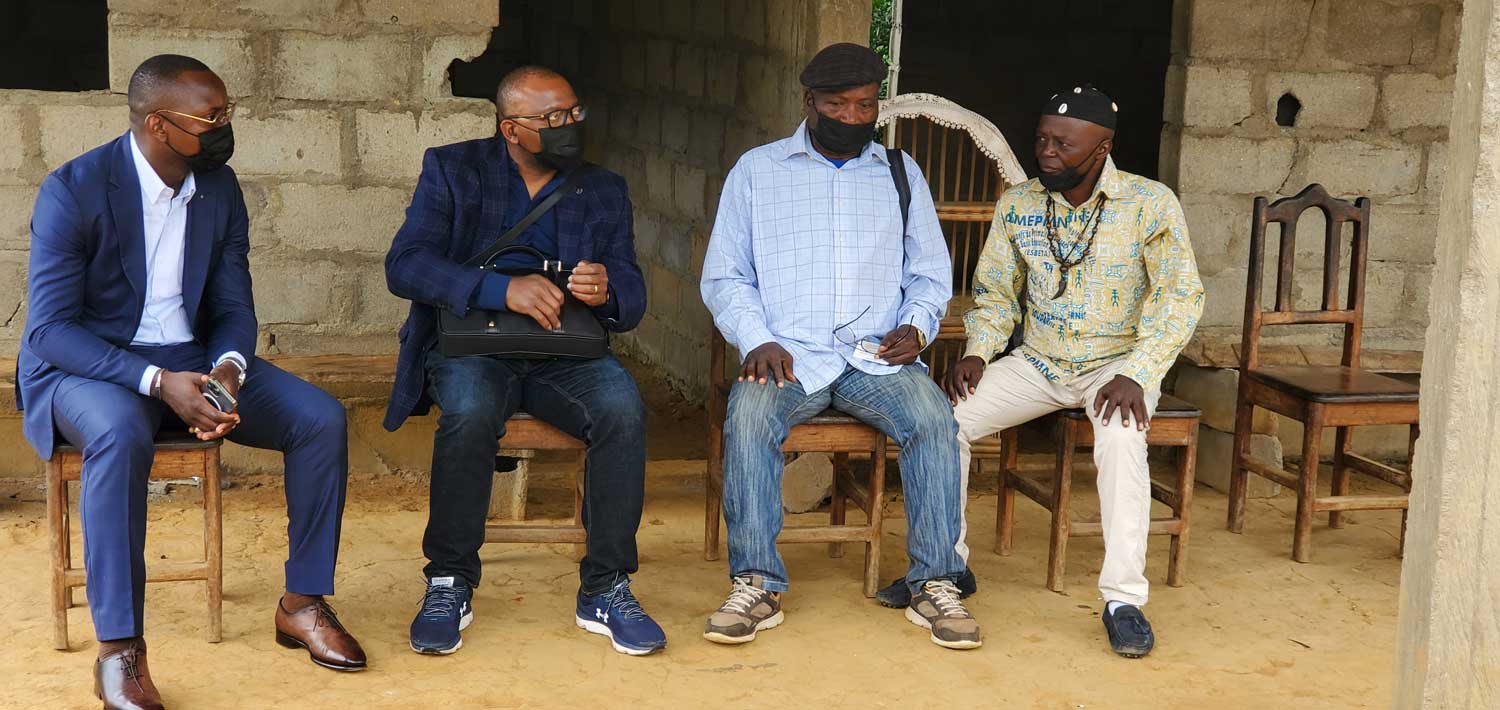
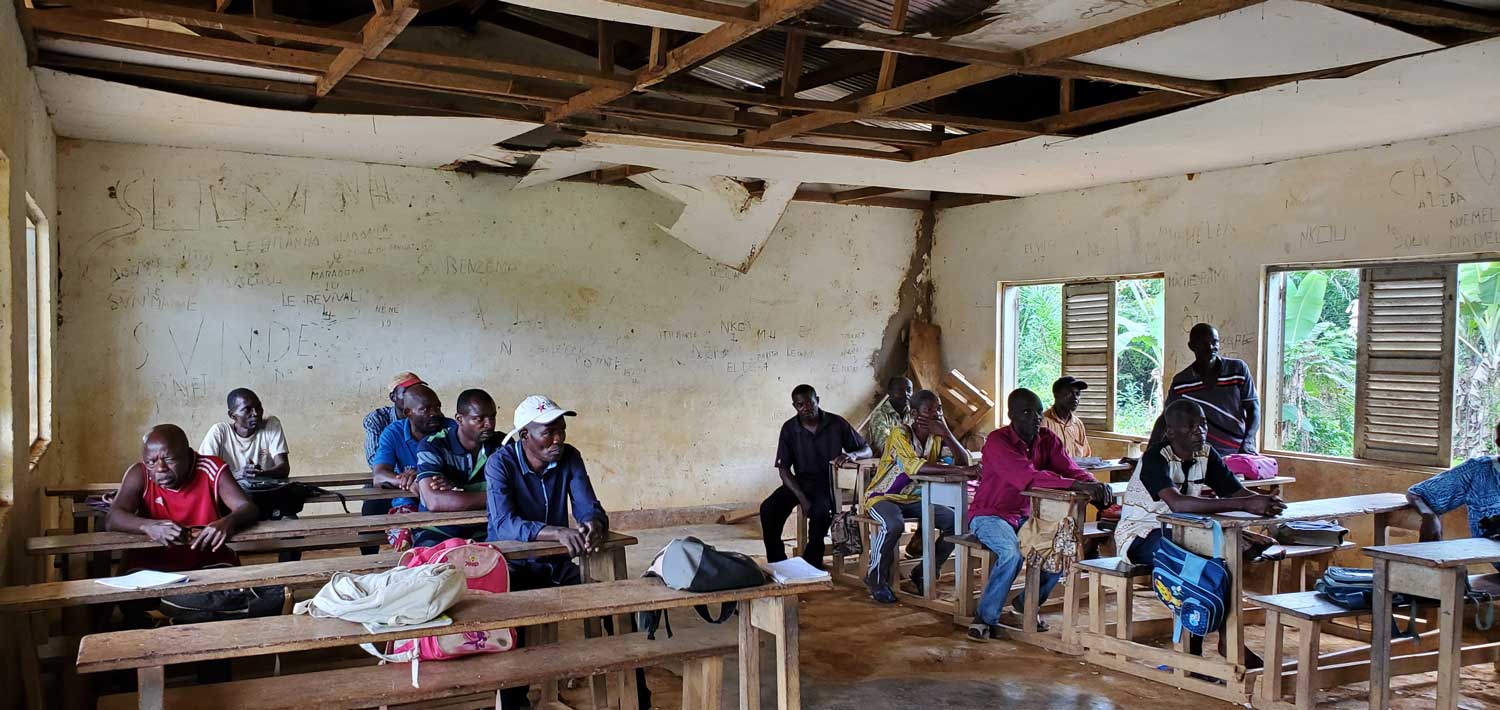
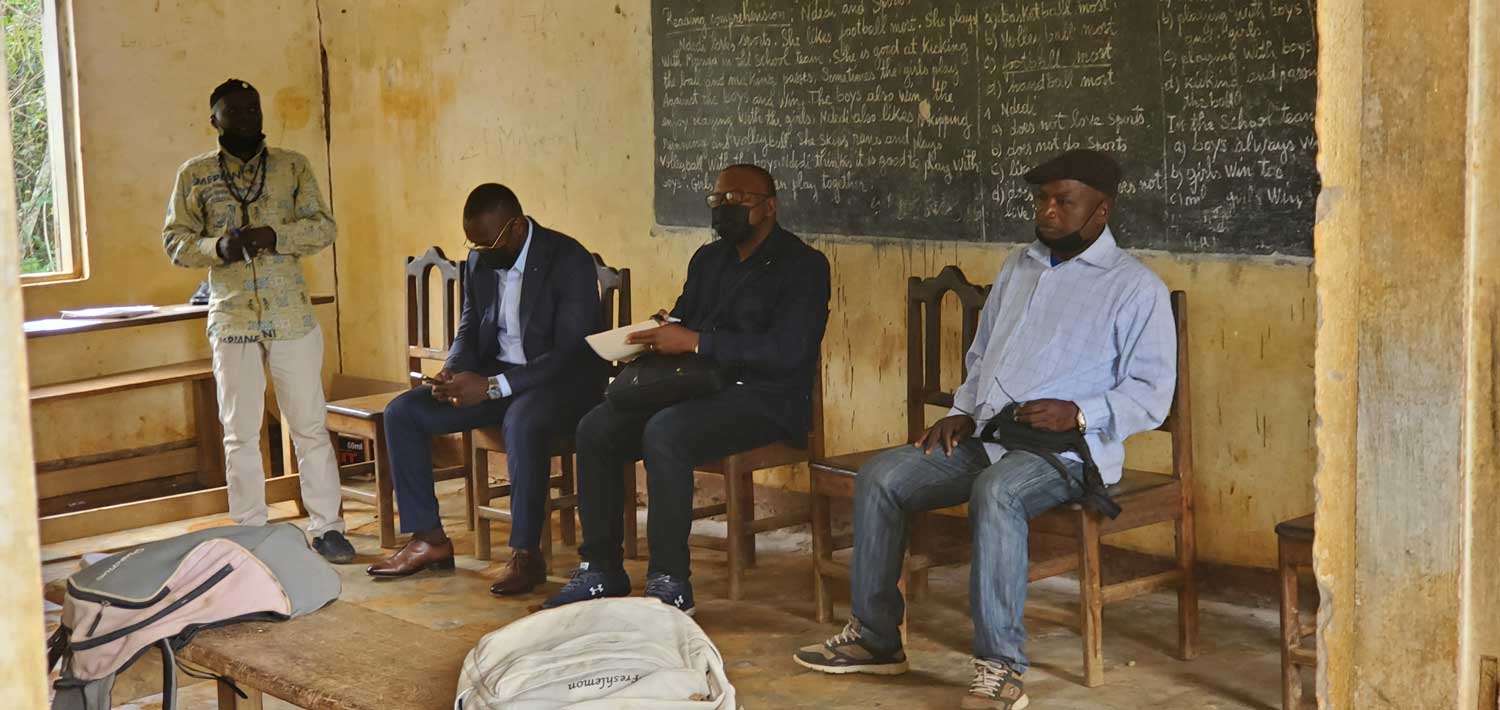
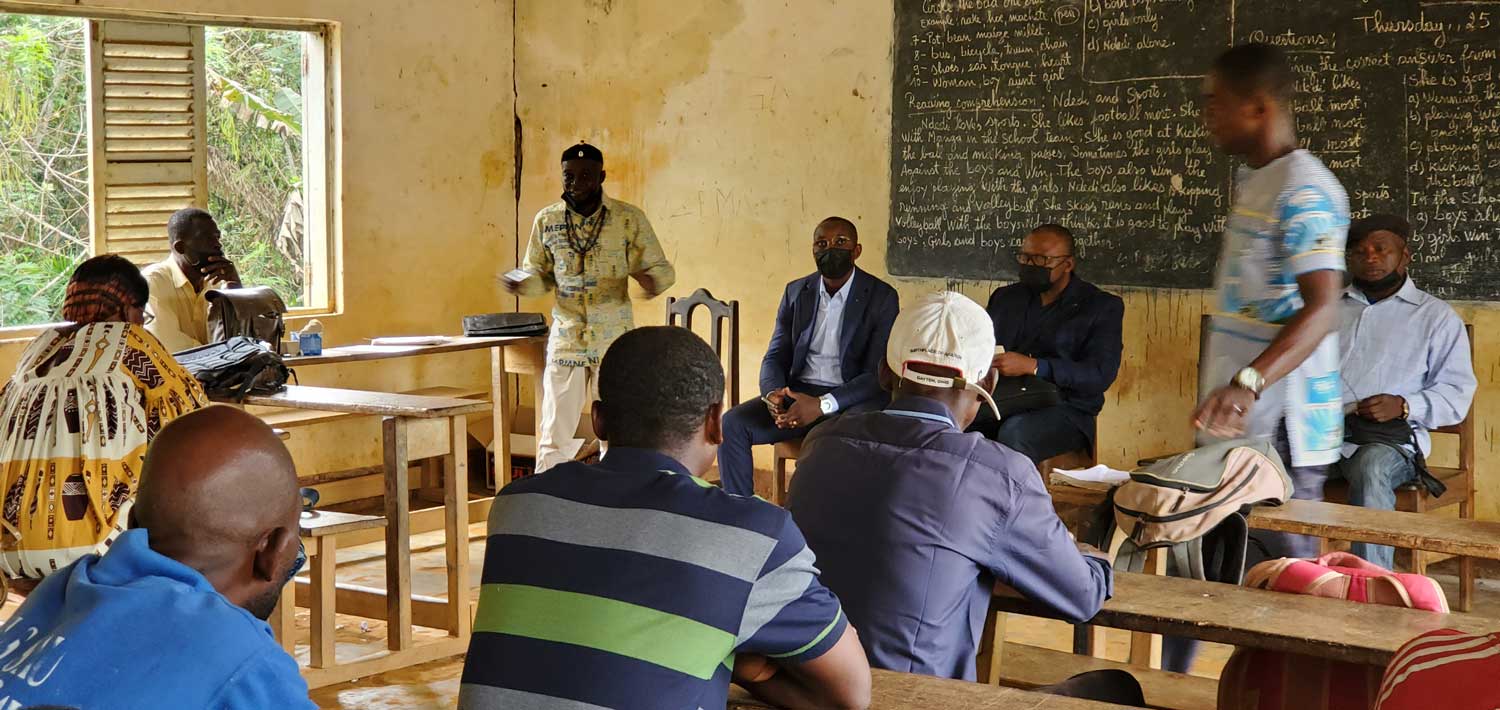
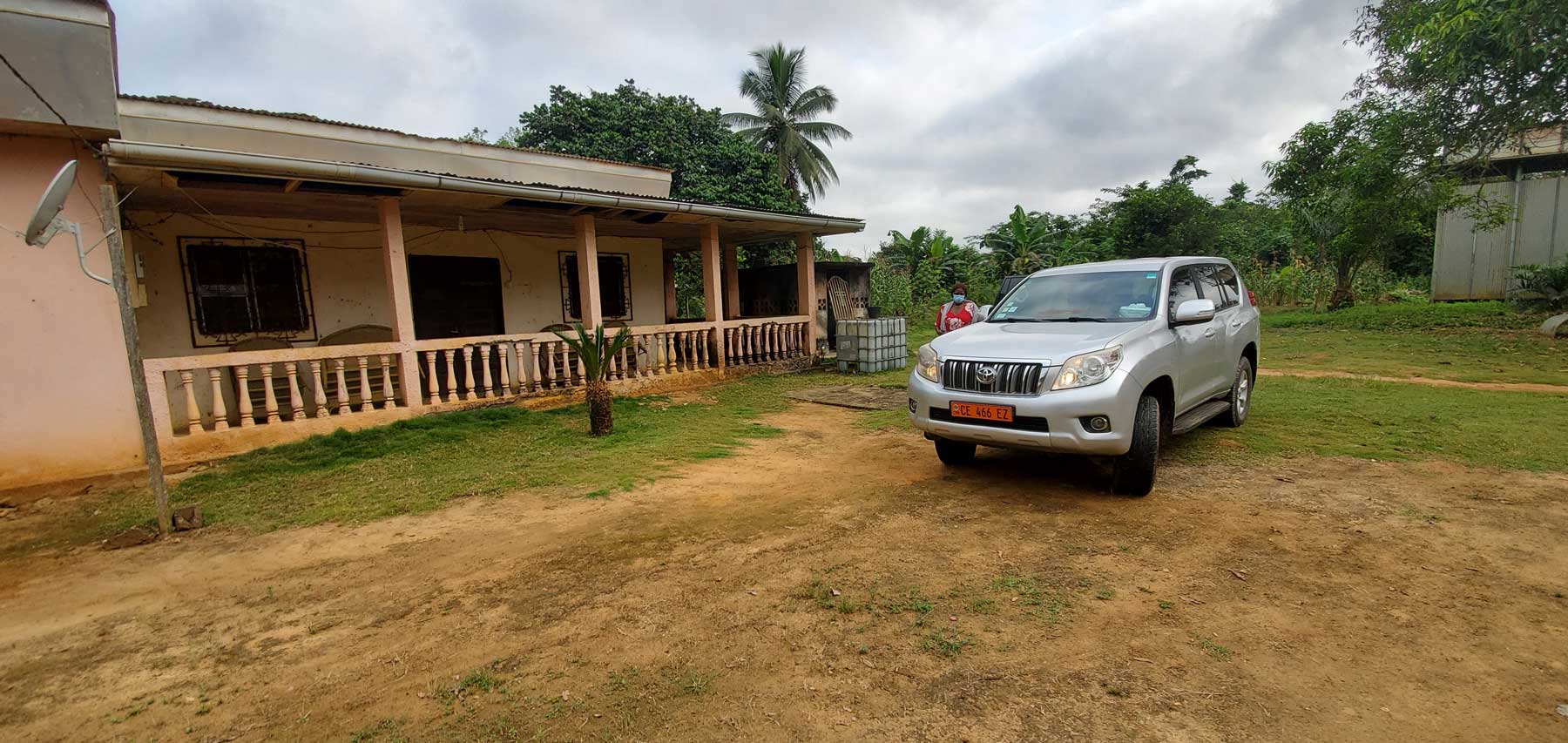
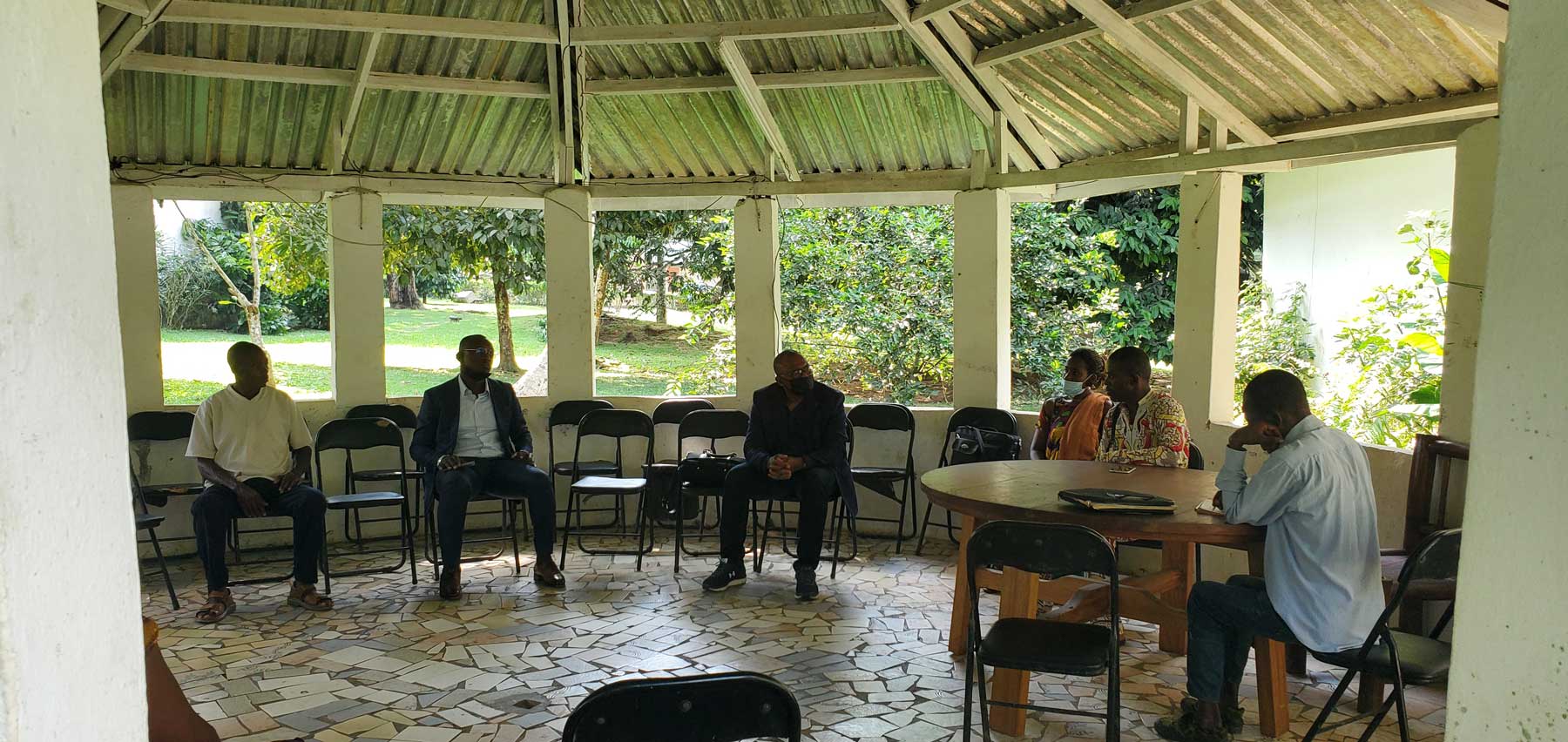
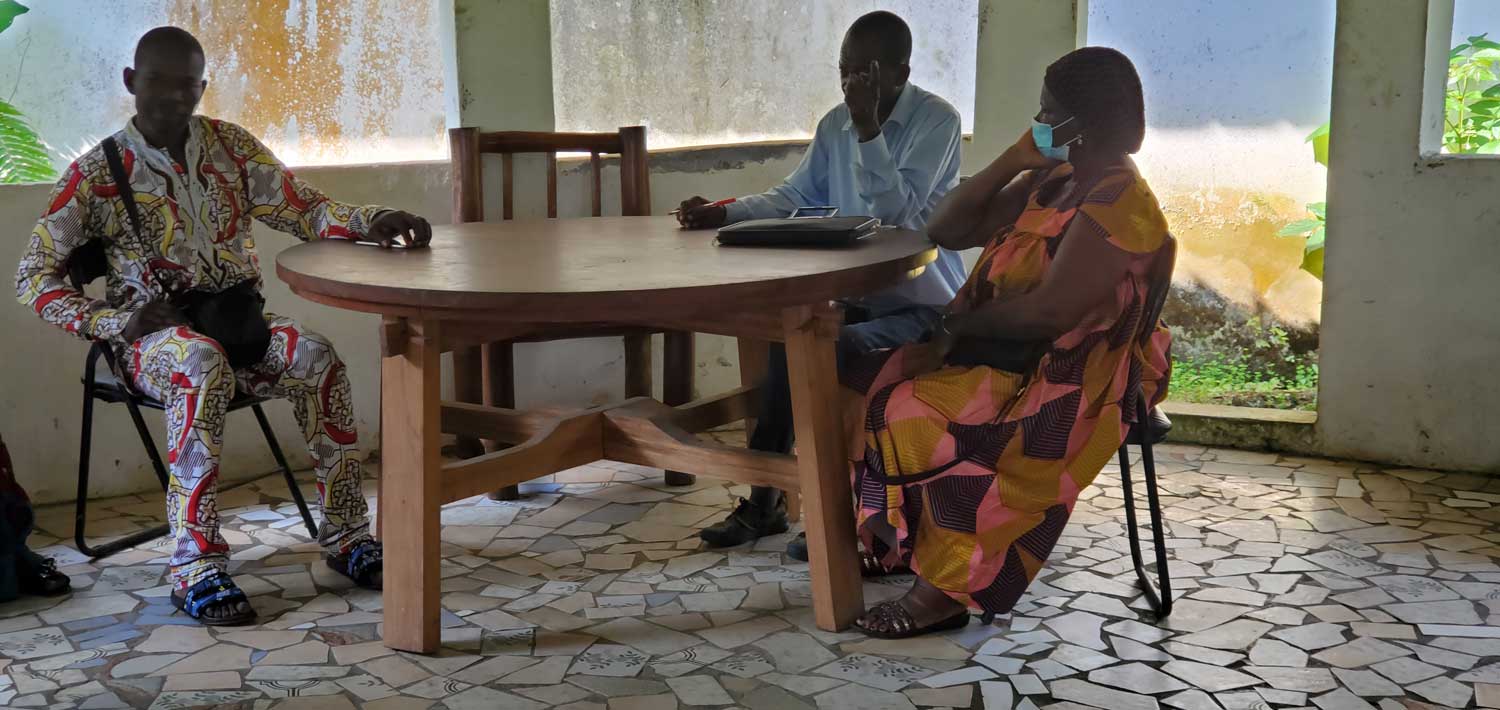
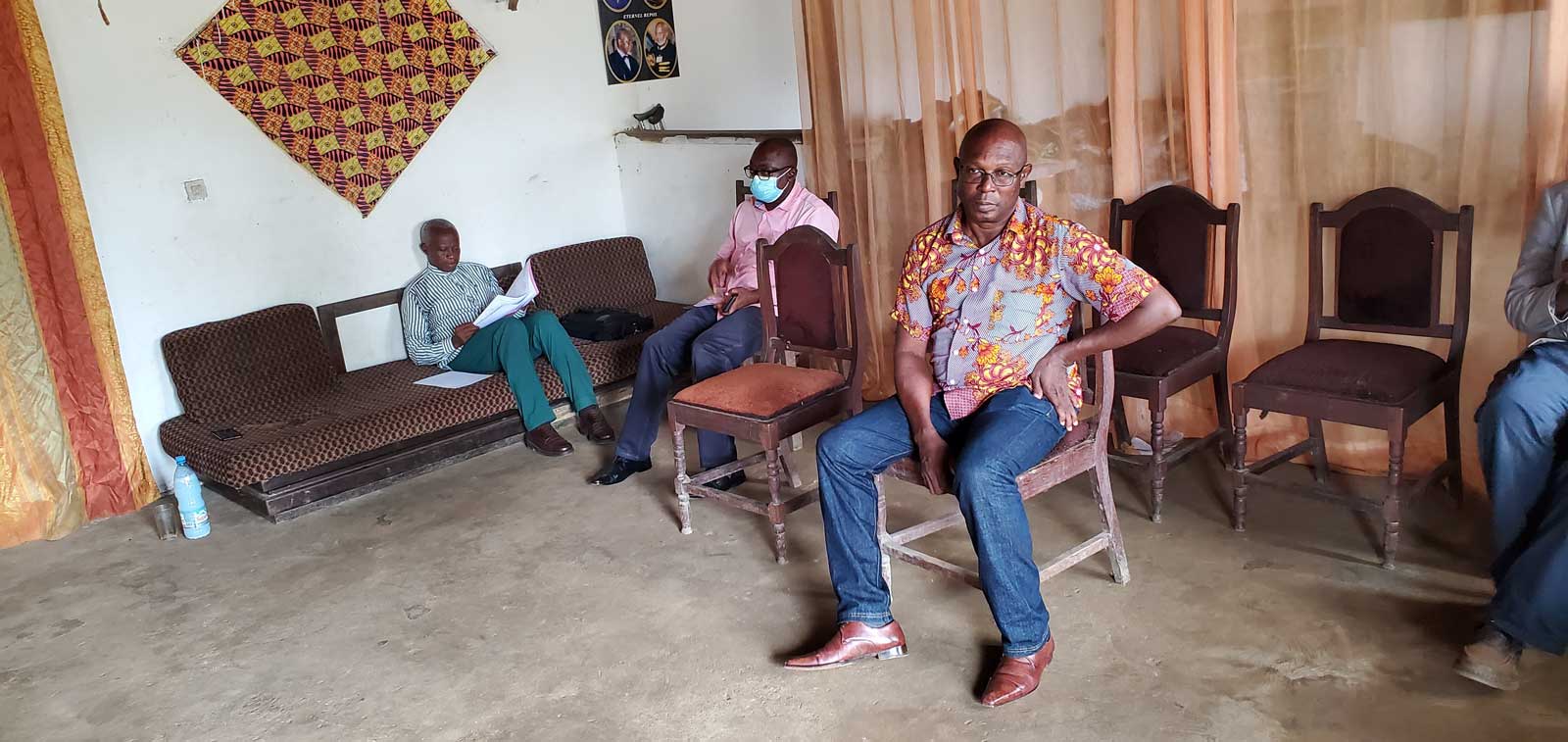
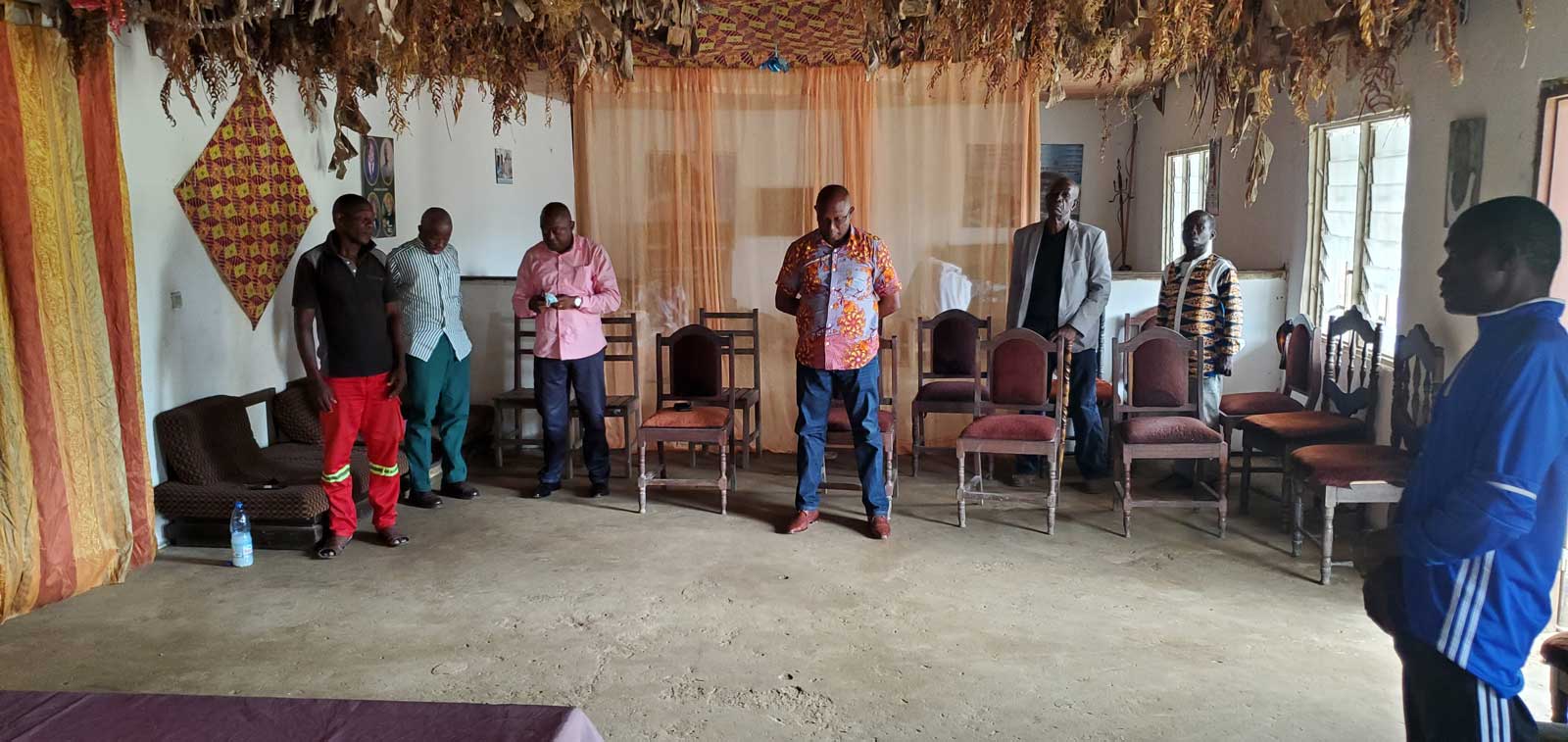
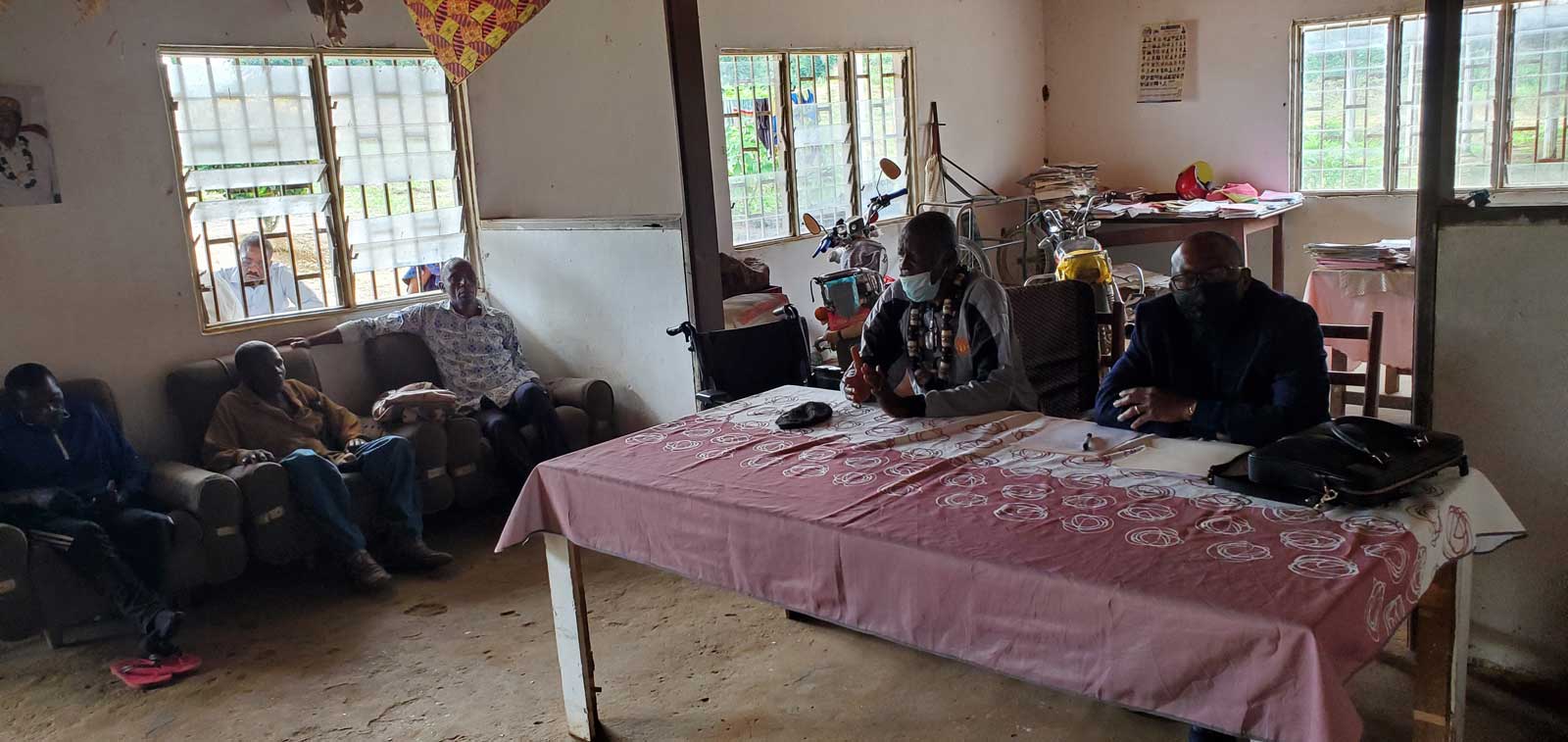
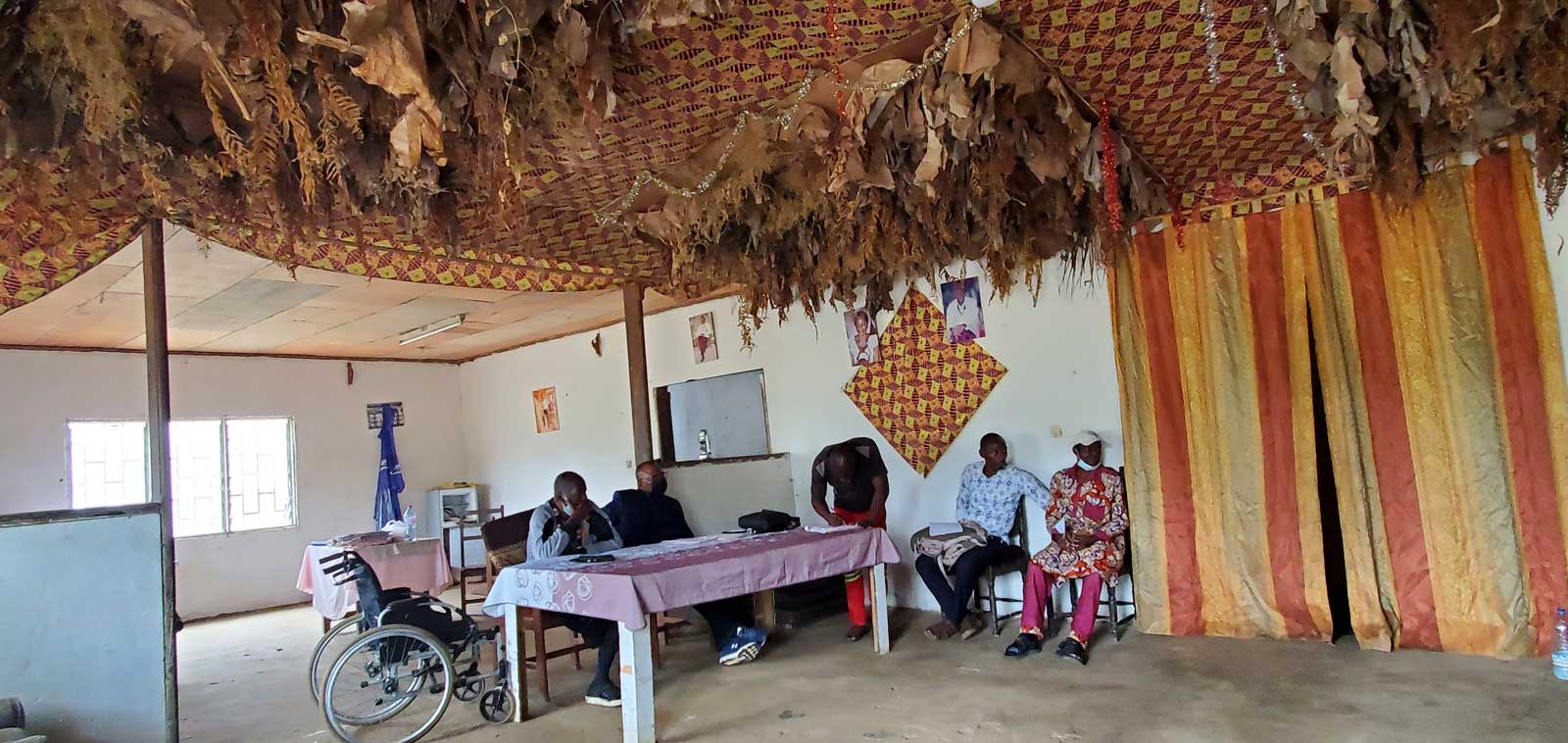
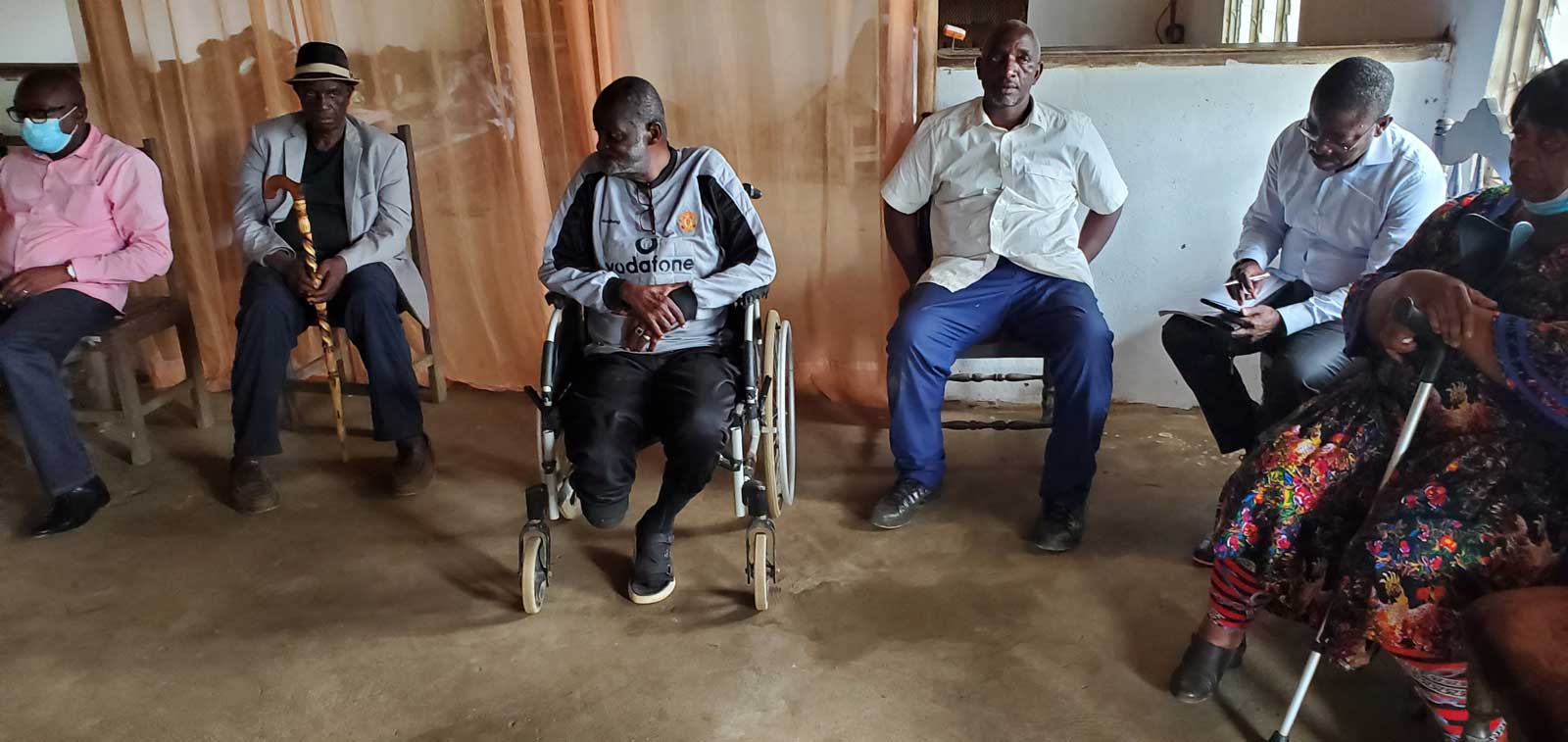
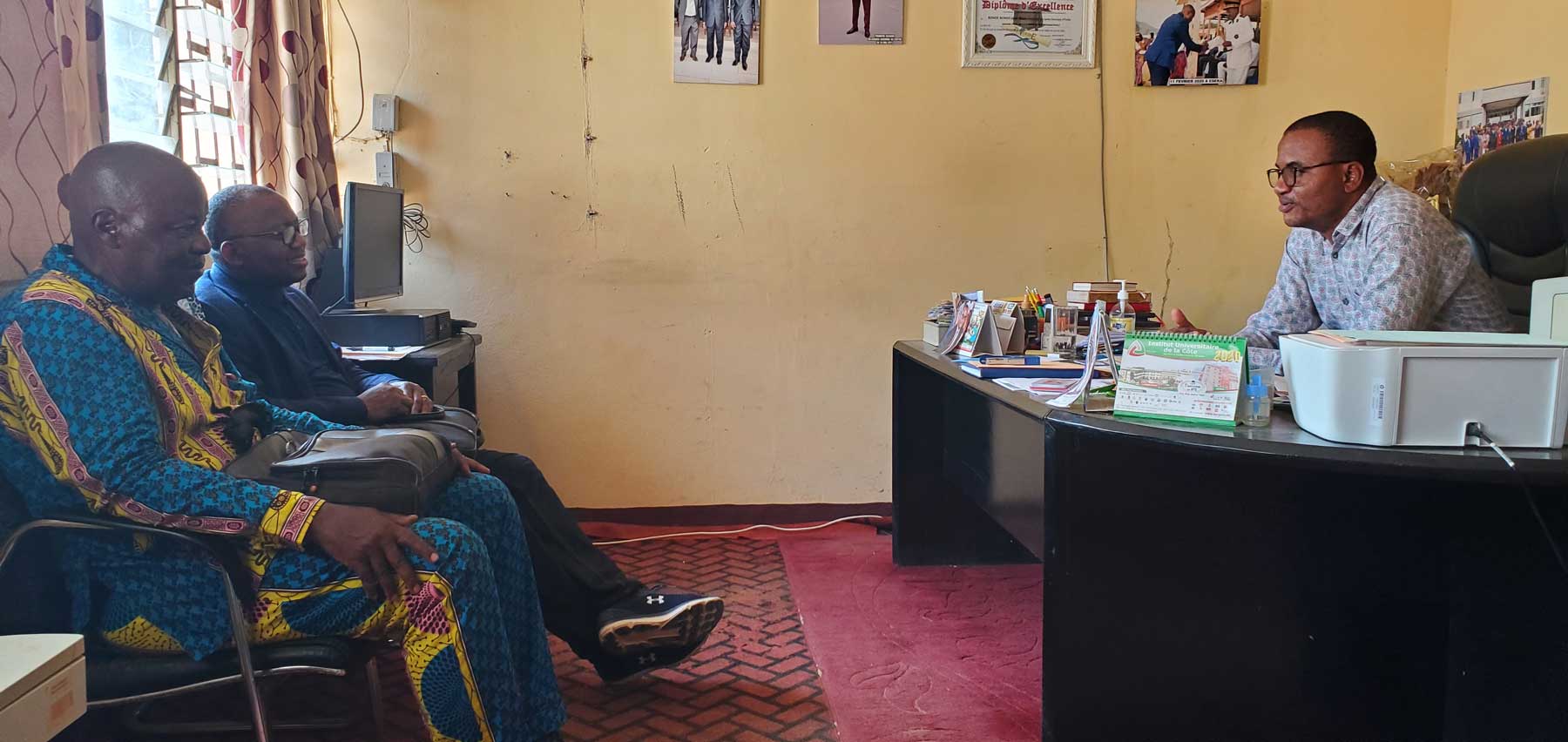
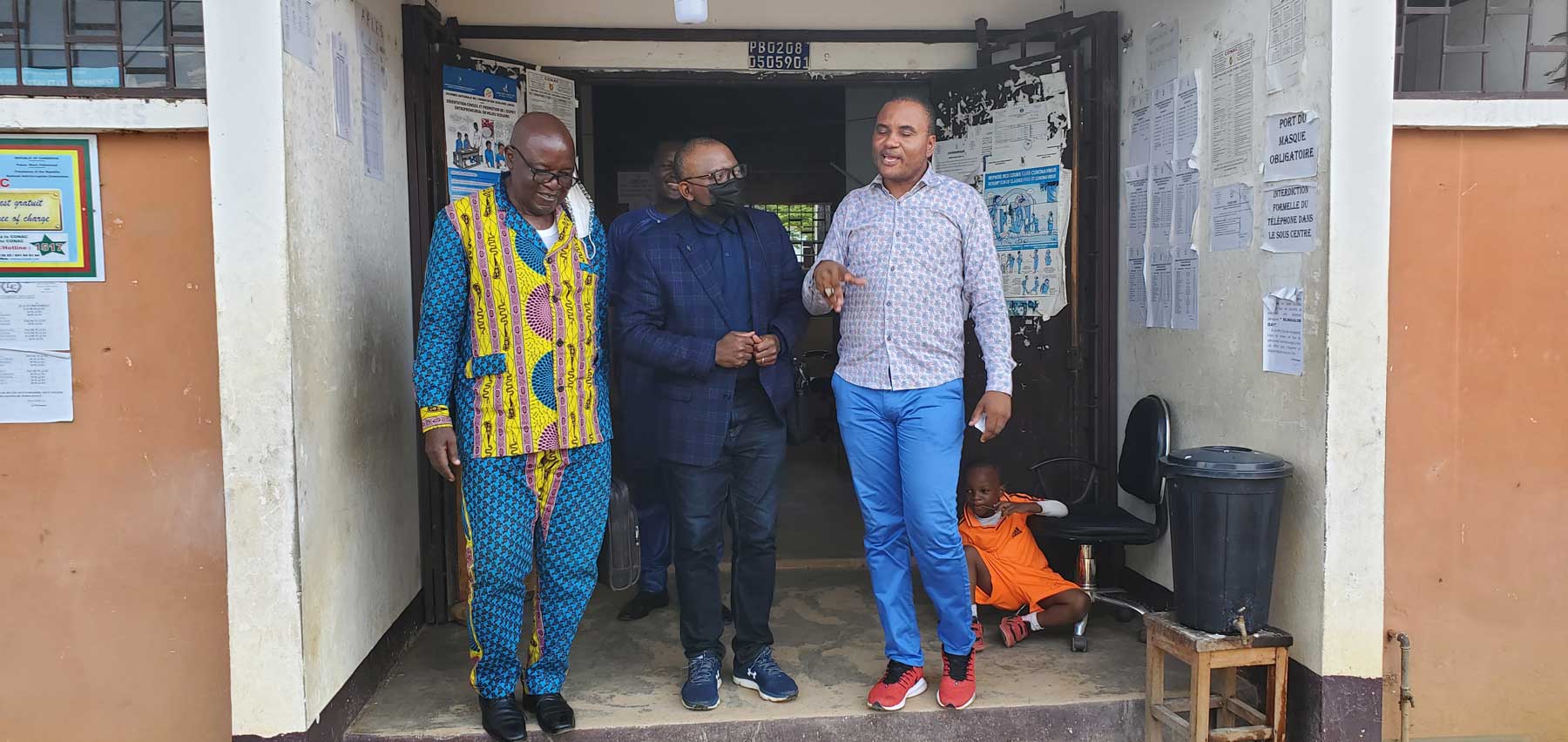
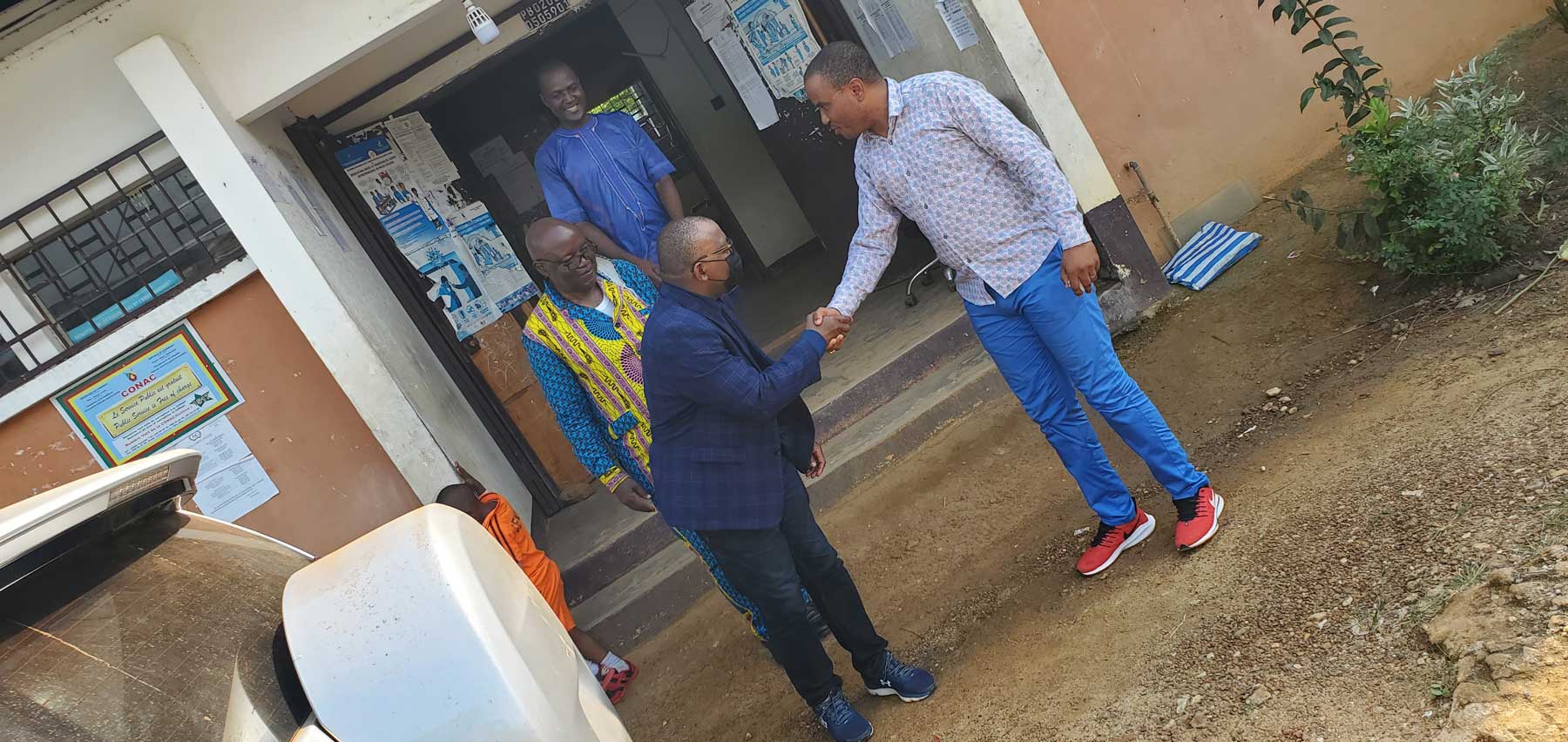
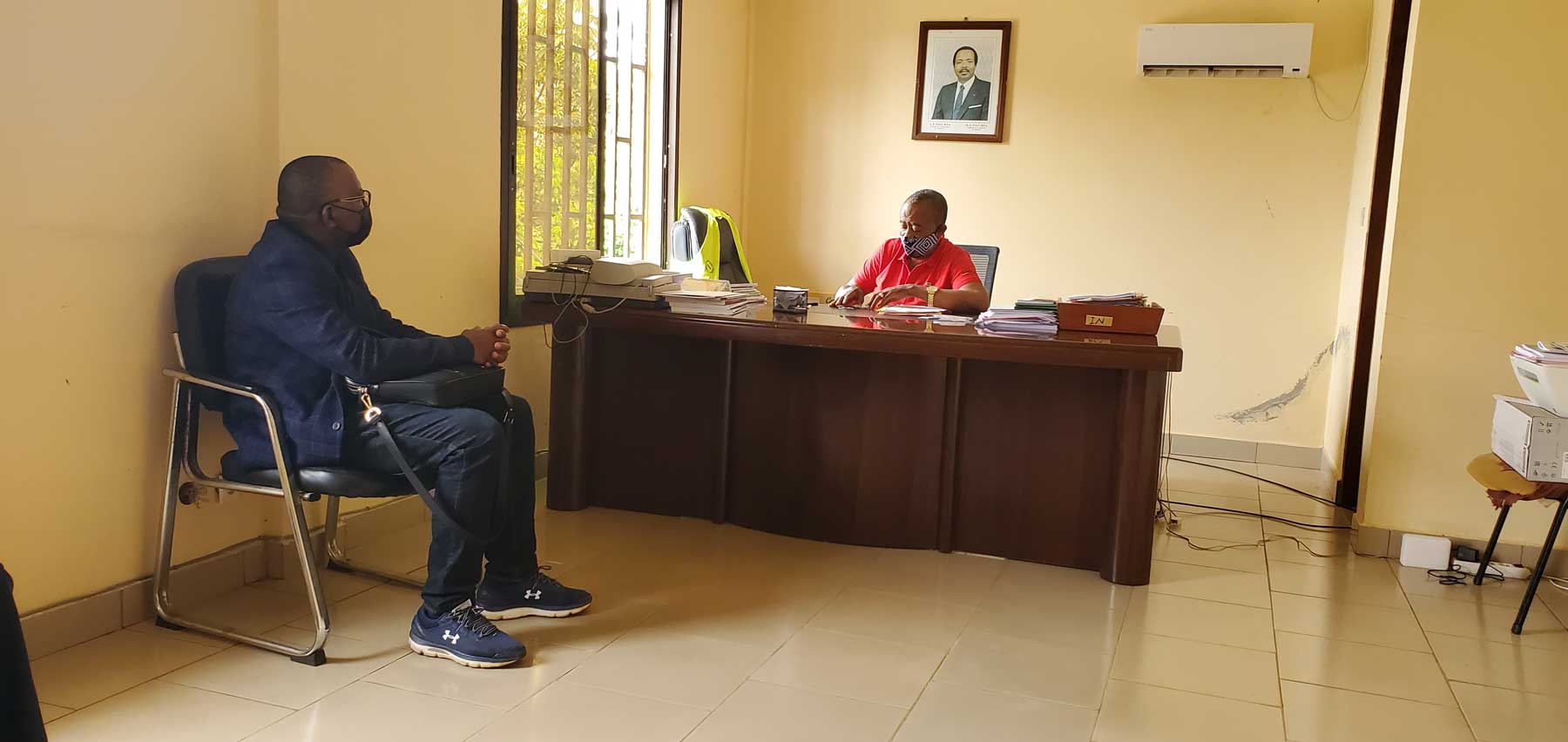
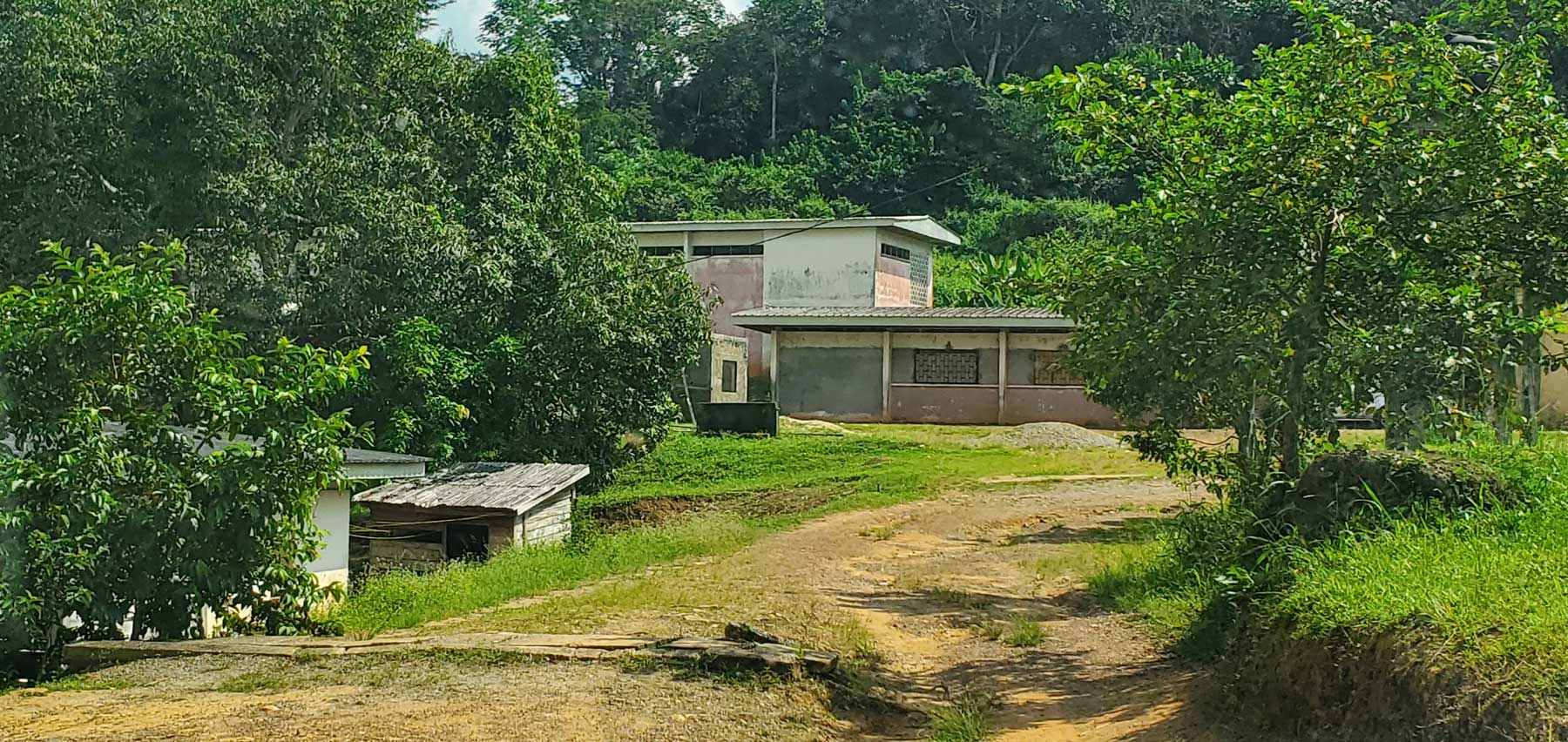
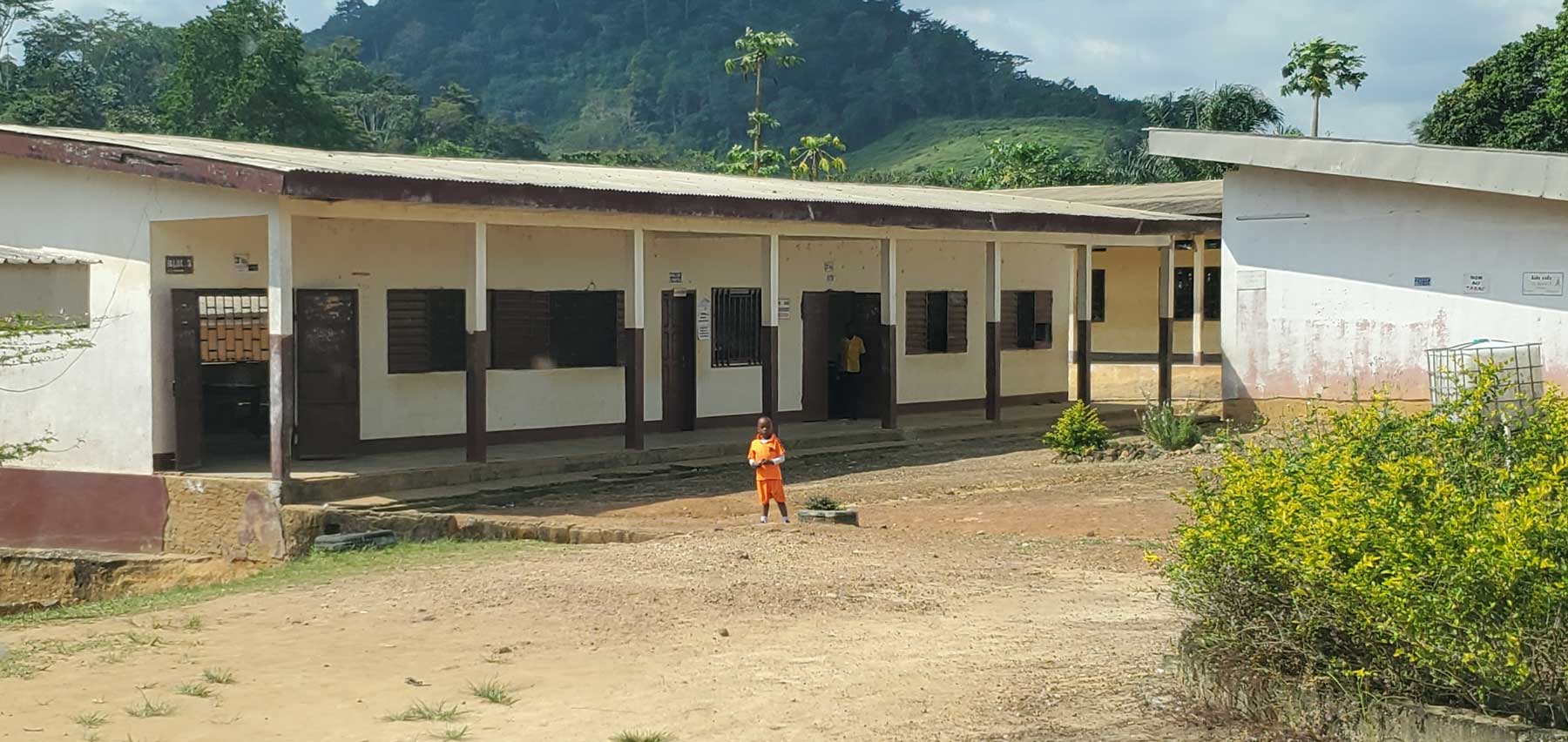
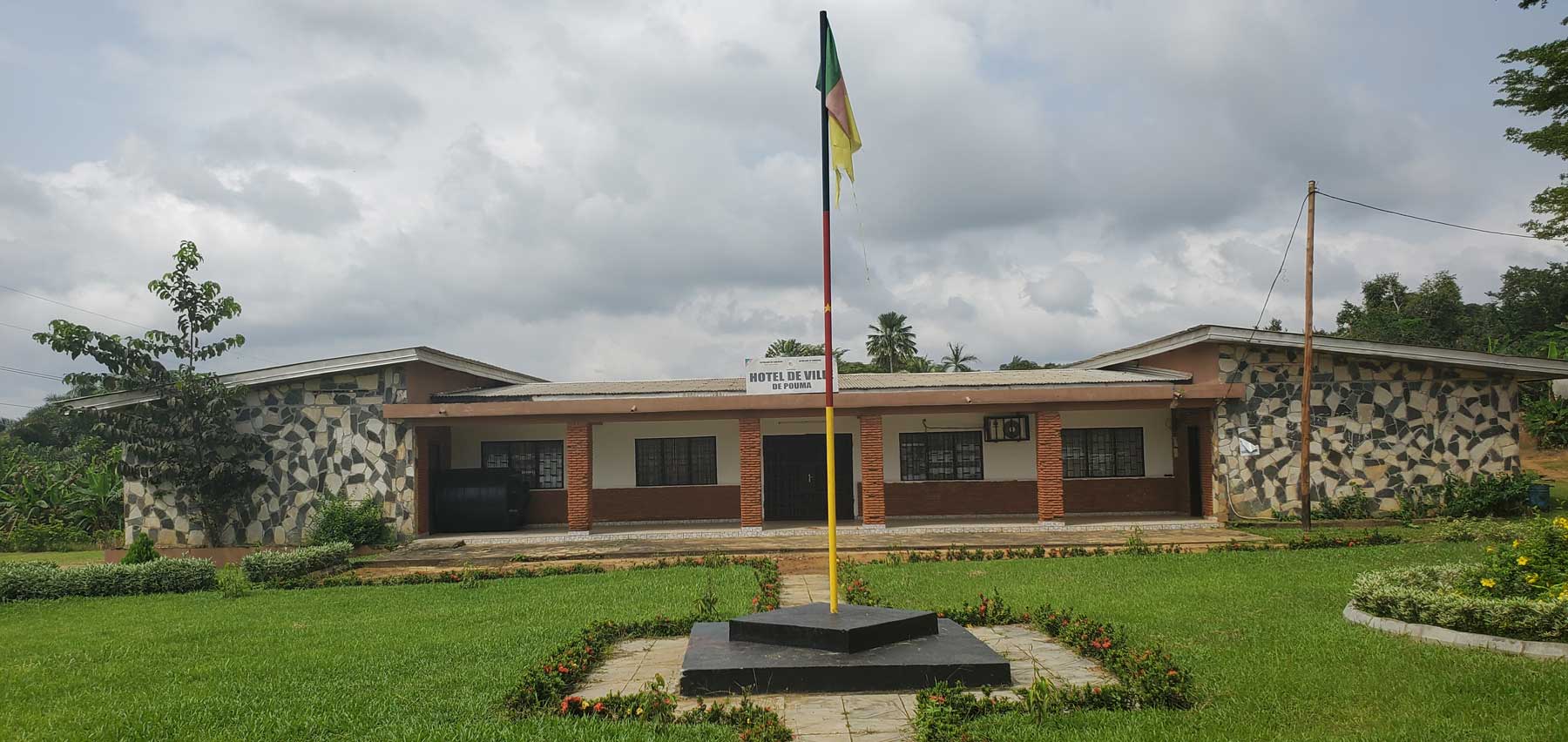
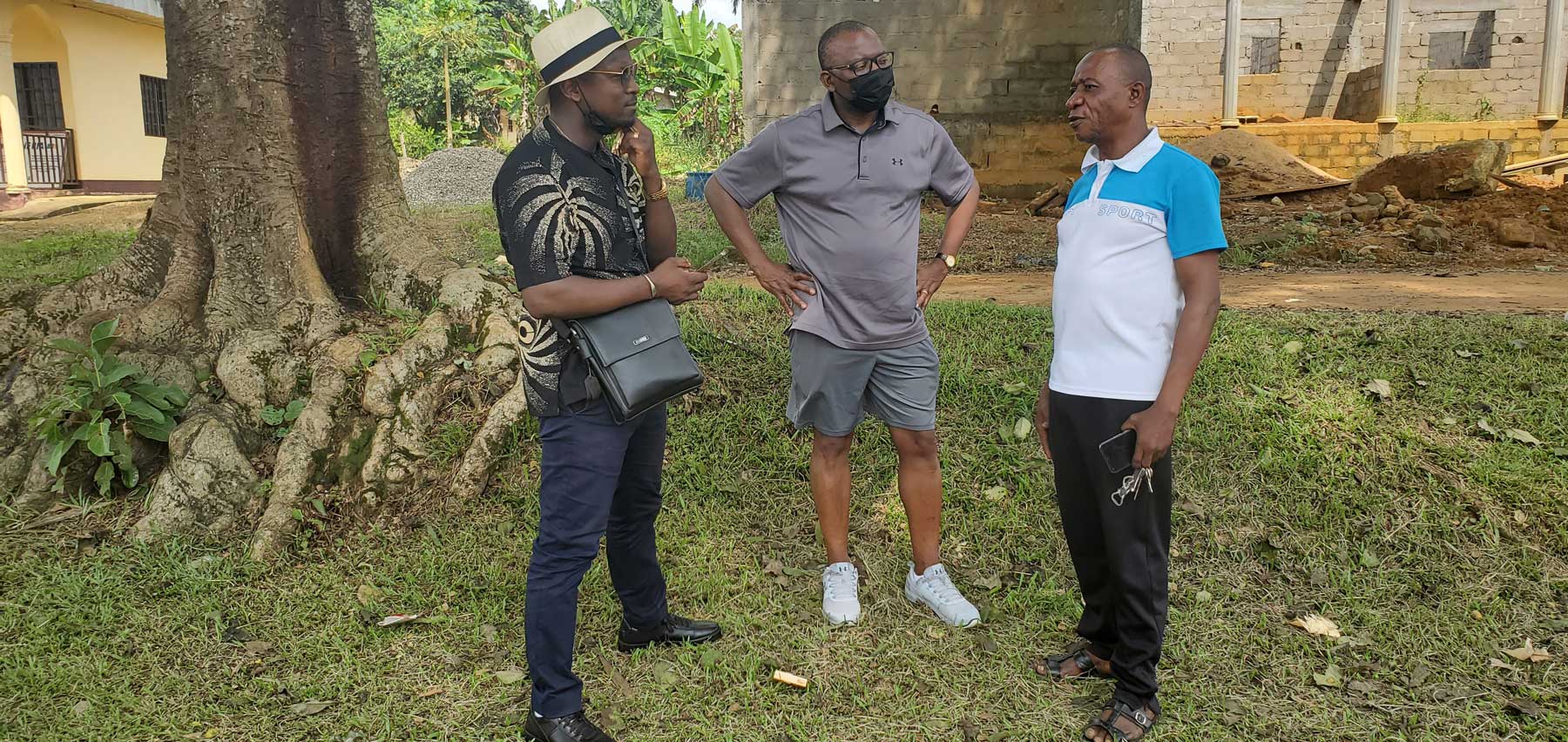
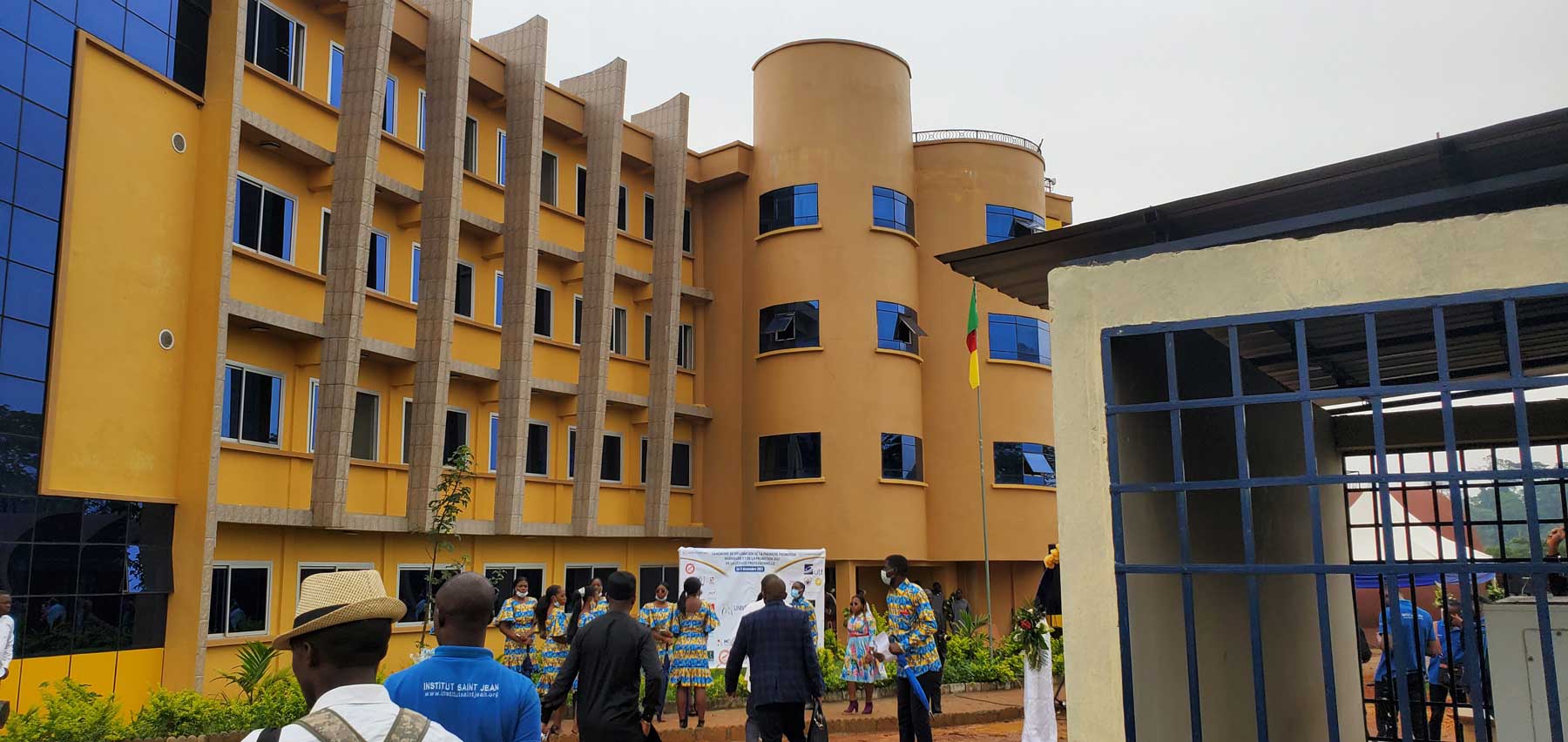
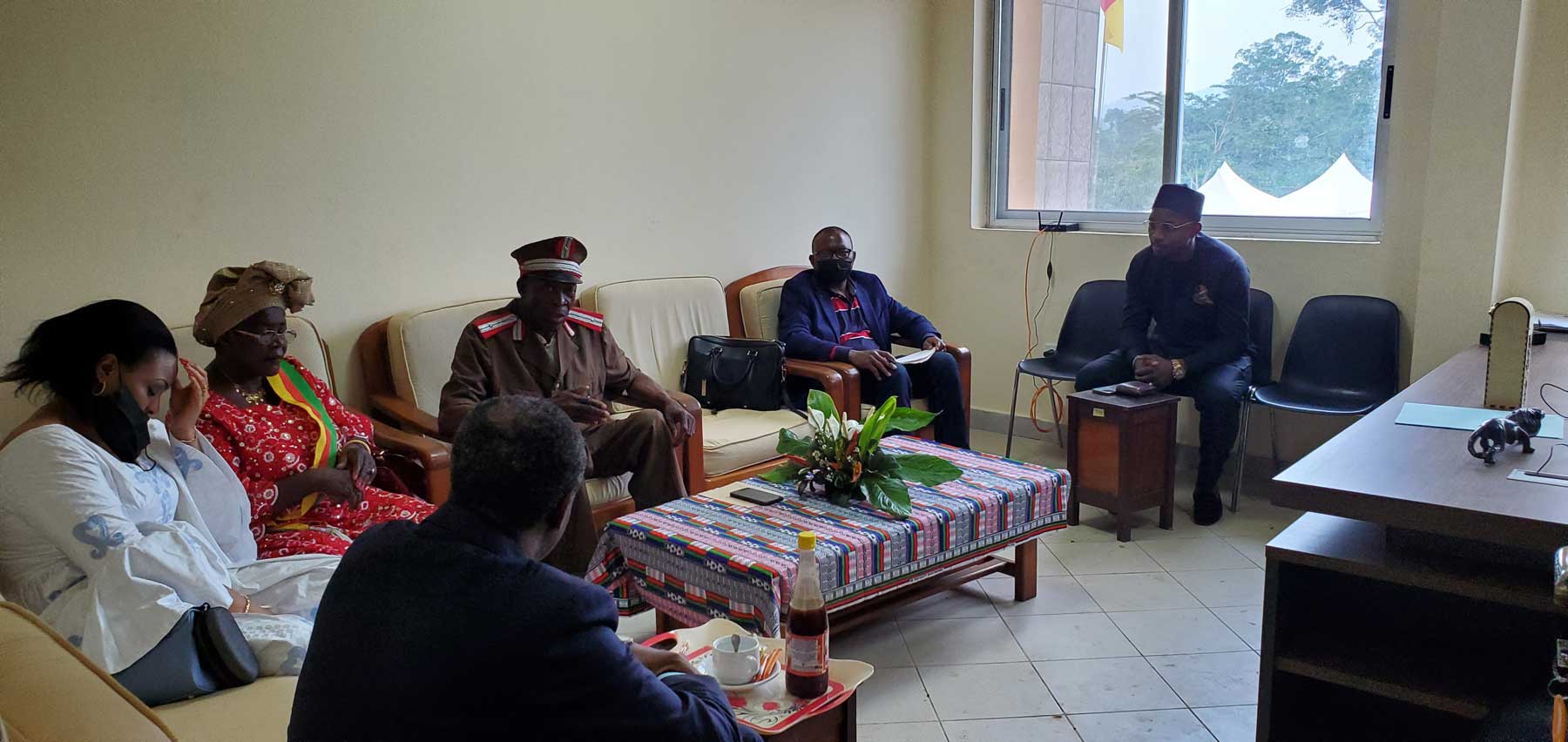
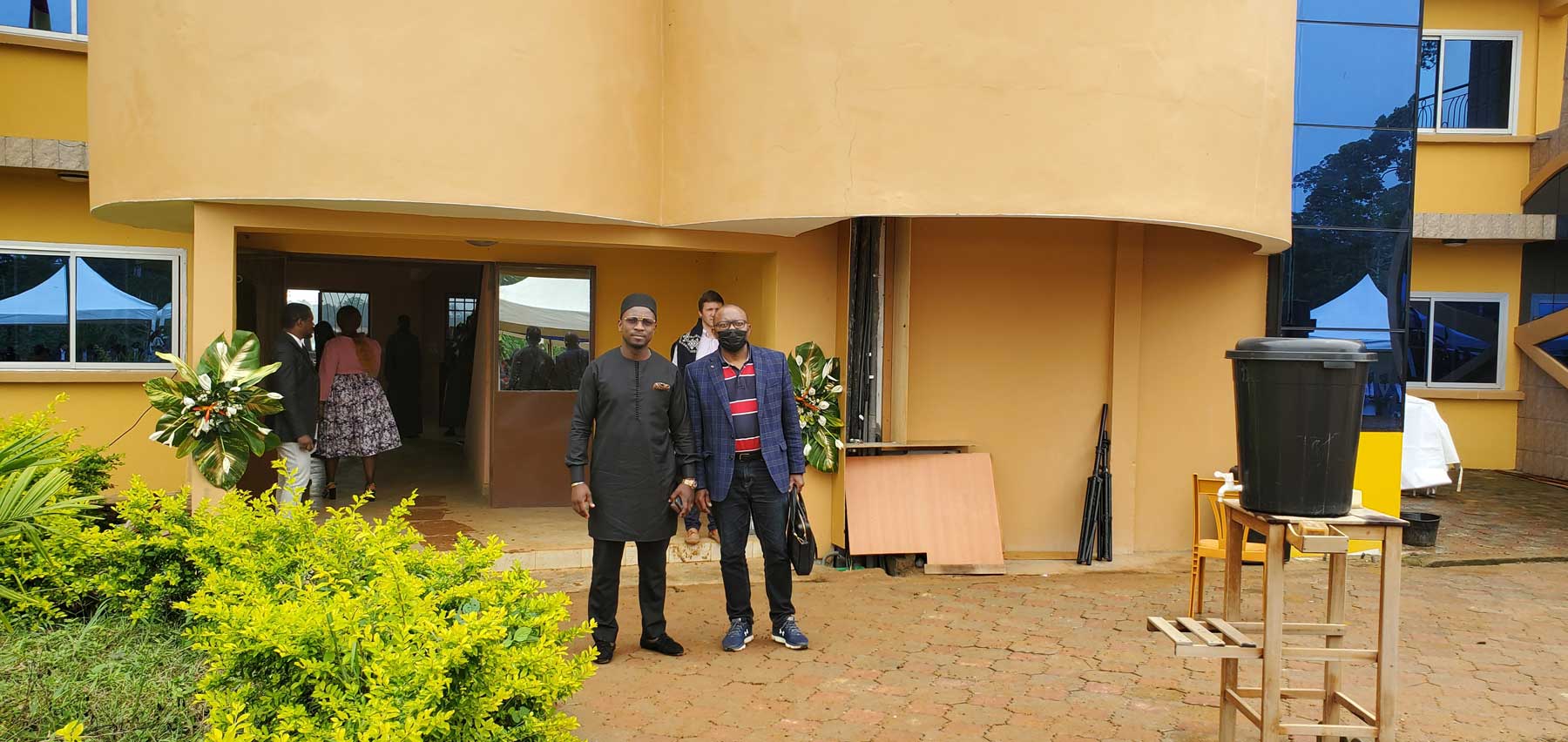
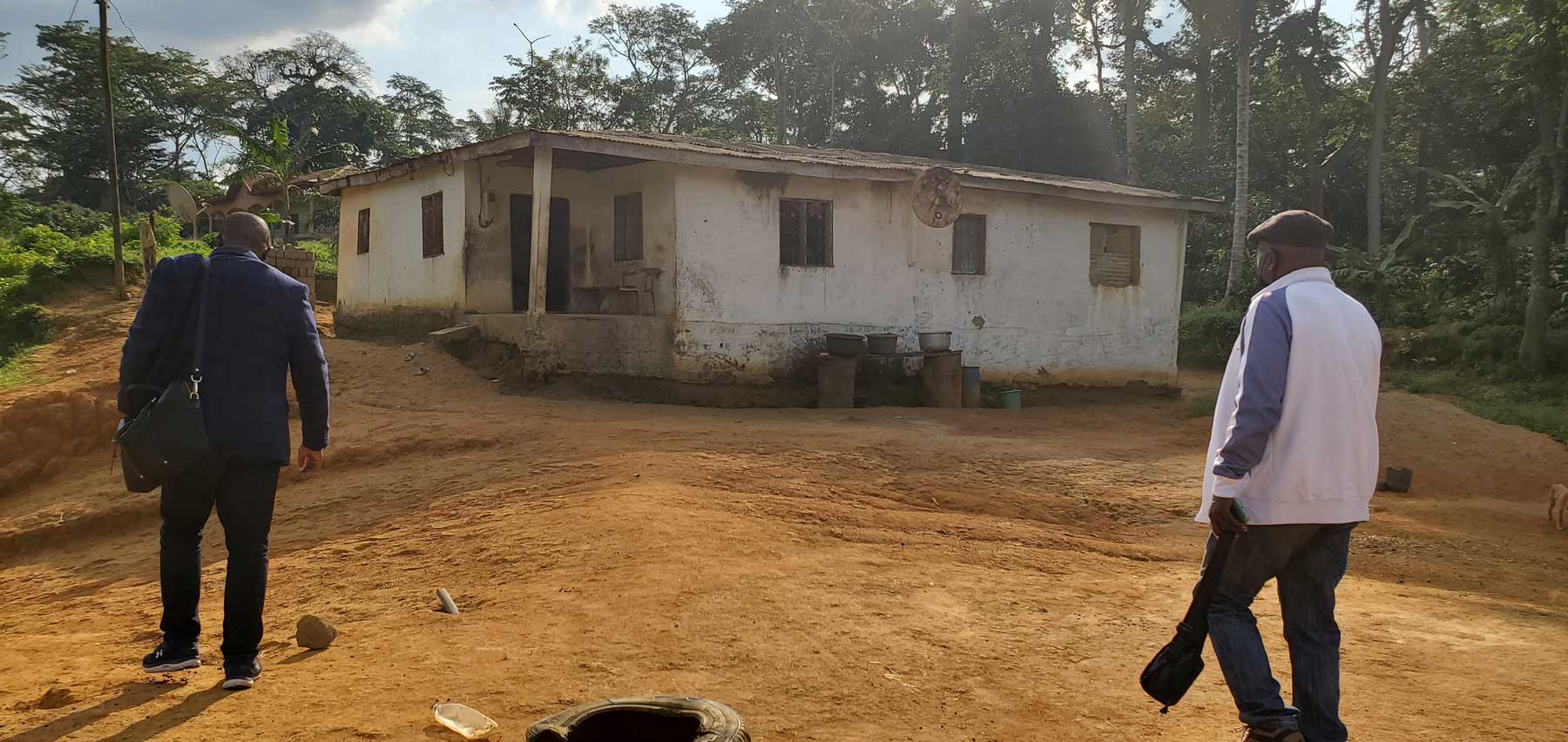
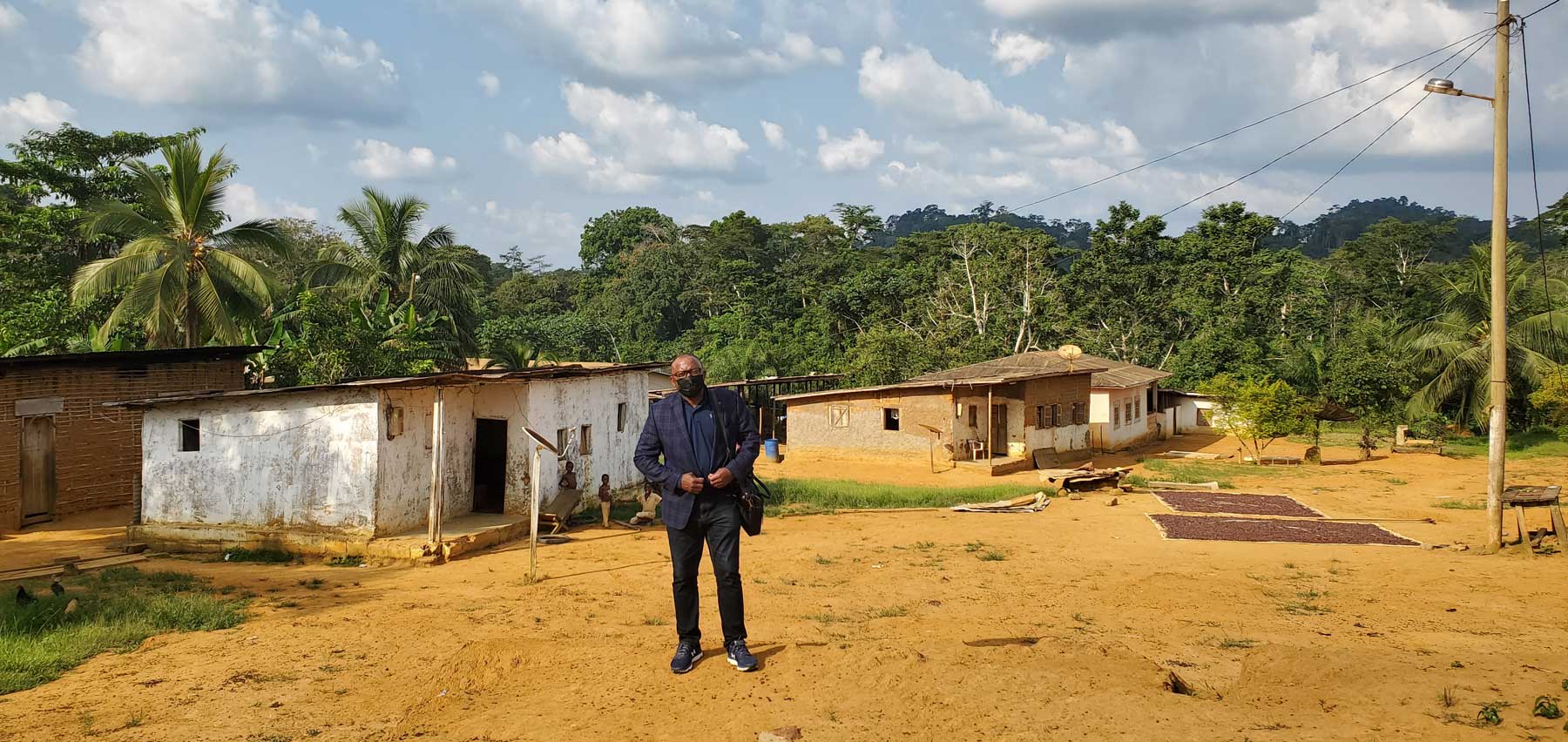
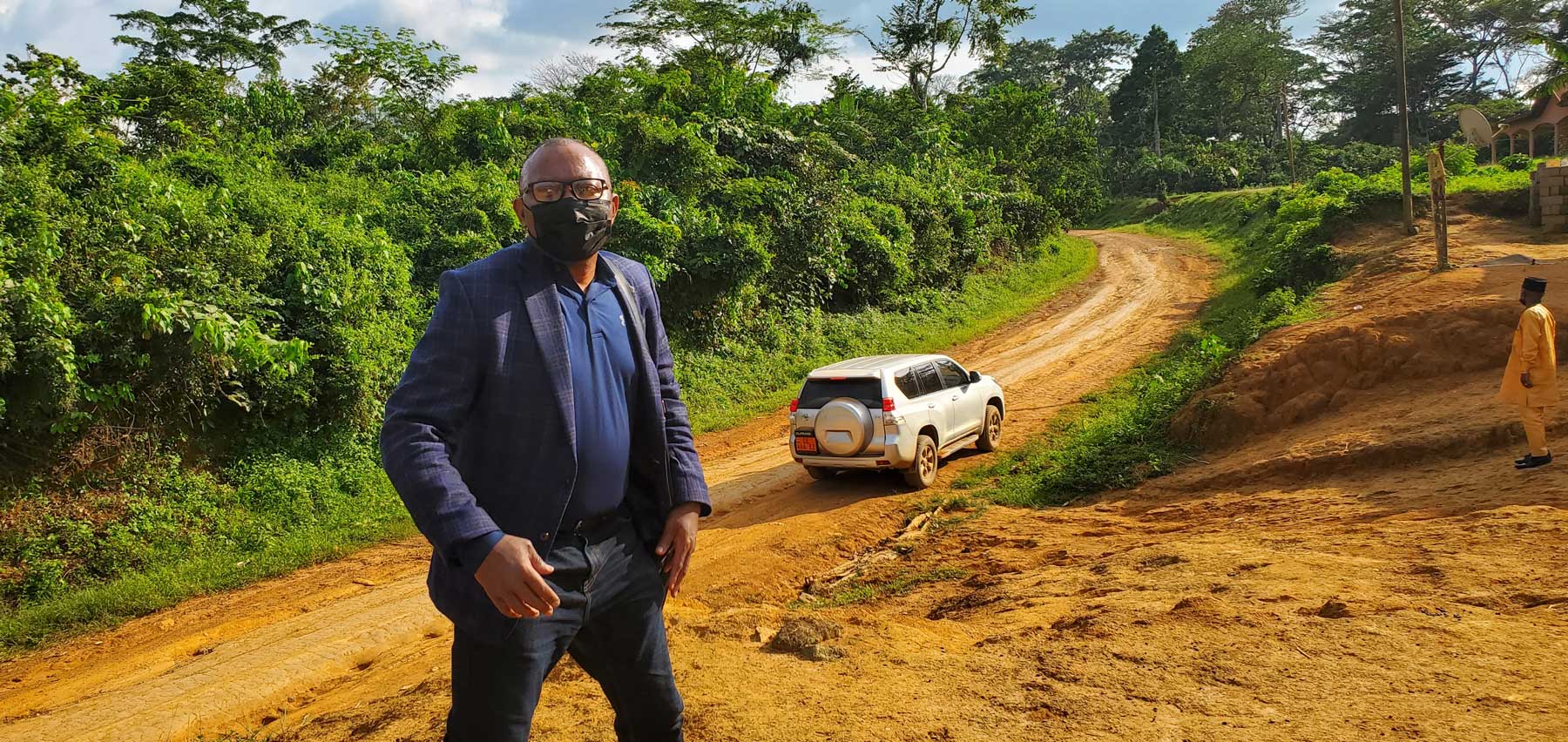
As depicted in the accompanying images, we organized community meetings that included residents to openly discuss their issues, concerns, and preferences. These discussions allowed us to gather and document valuable insights into the community’s needs and priorities, ensuring that our efforts align with their expectations.
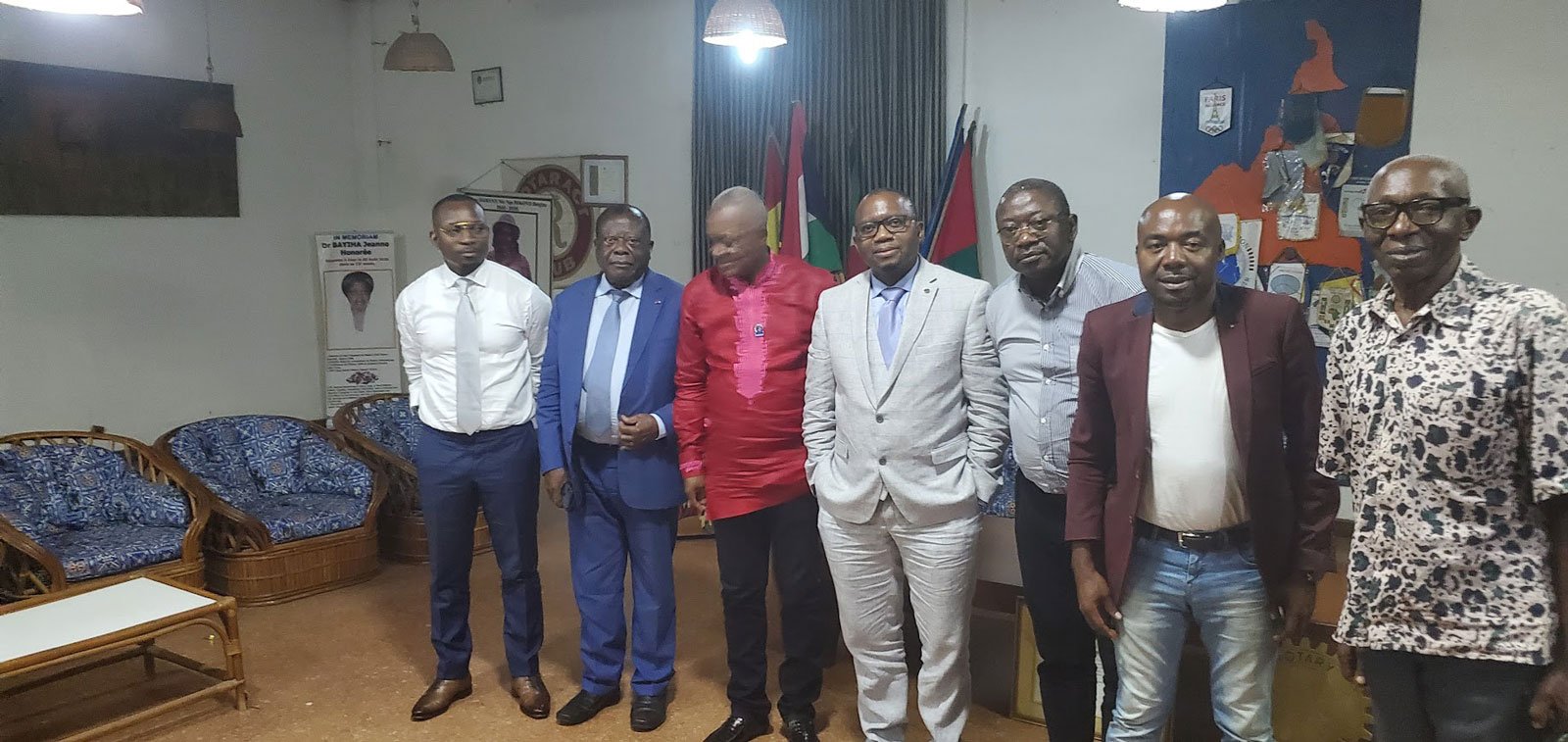
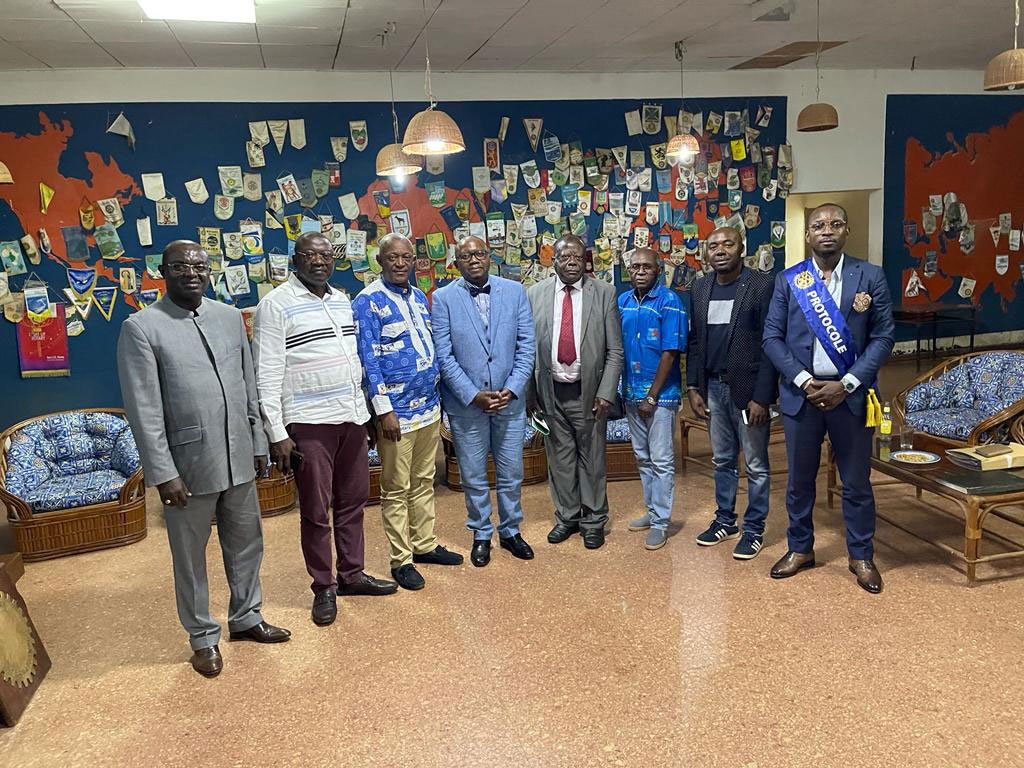
With the support of the Rotary Club of Columbia Patuxent, the Rotary Club of Central Africa and the Rotary Club of Yaoundé Mefou were able to conduct a comprehensive Community Assessment across ten (10) villages in Cameroon. Here’s a map of the locations visited during this assessment. This collaborative effort underscores the importance of partnerships in addressing community needs and driving meaningful changes.
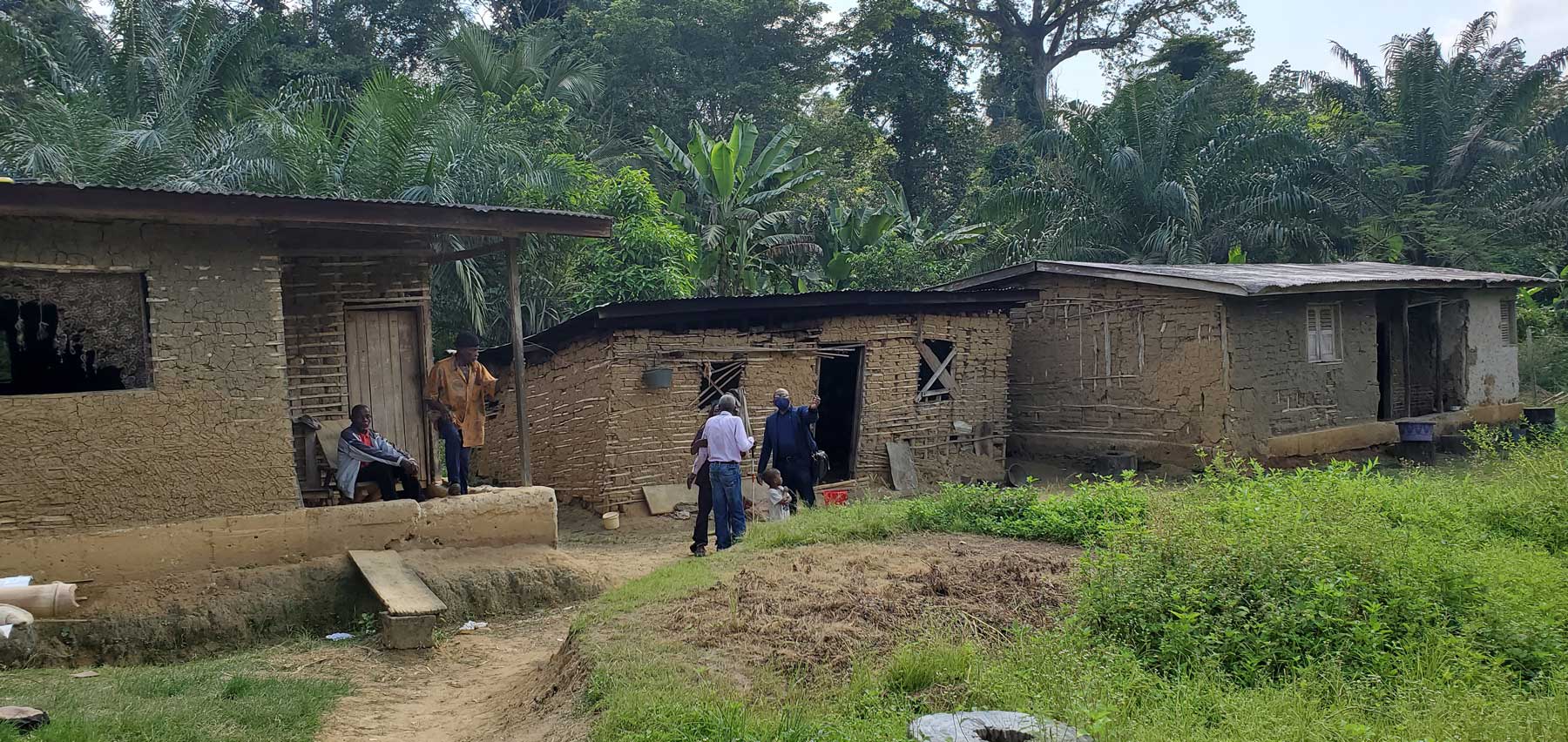
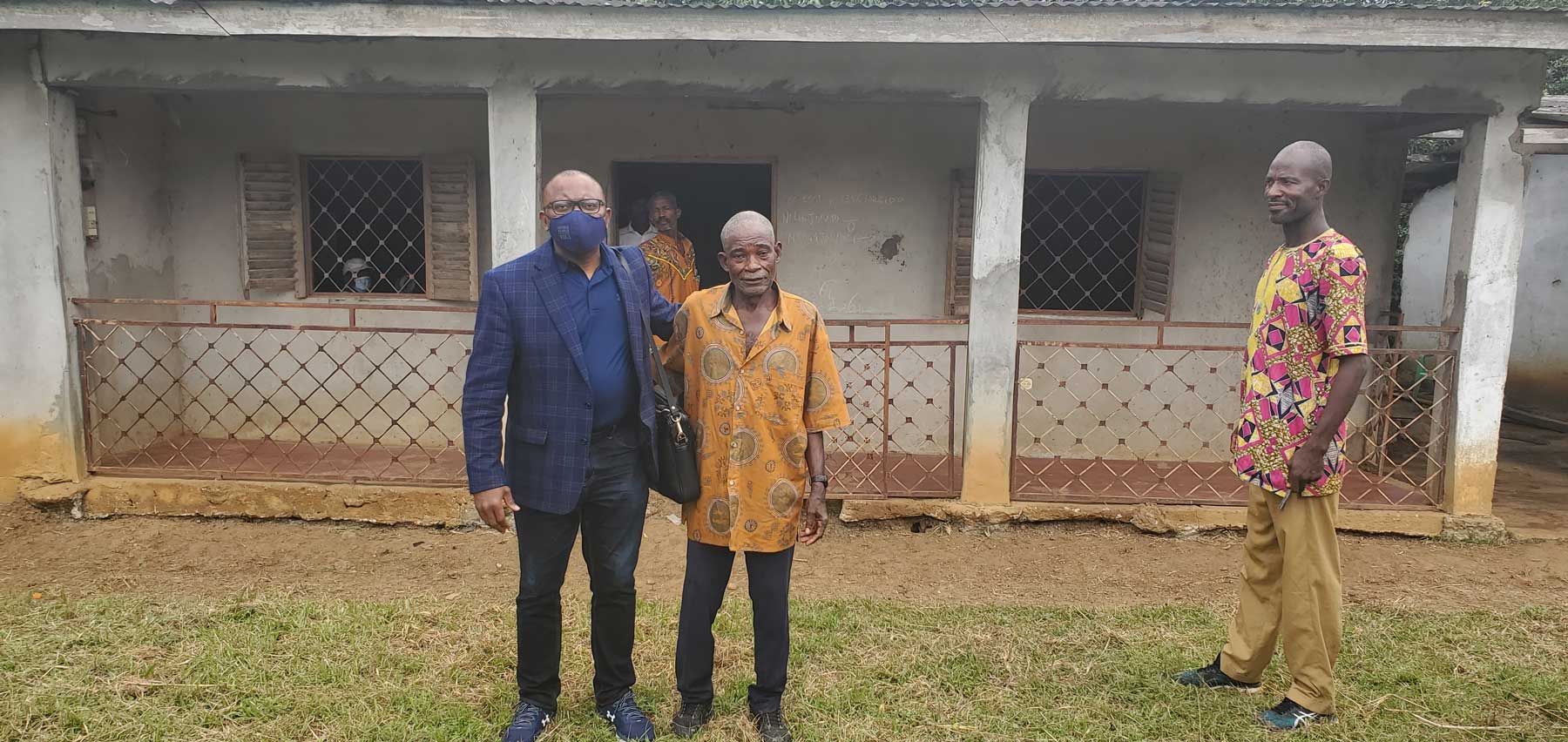
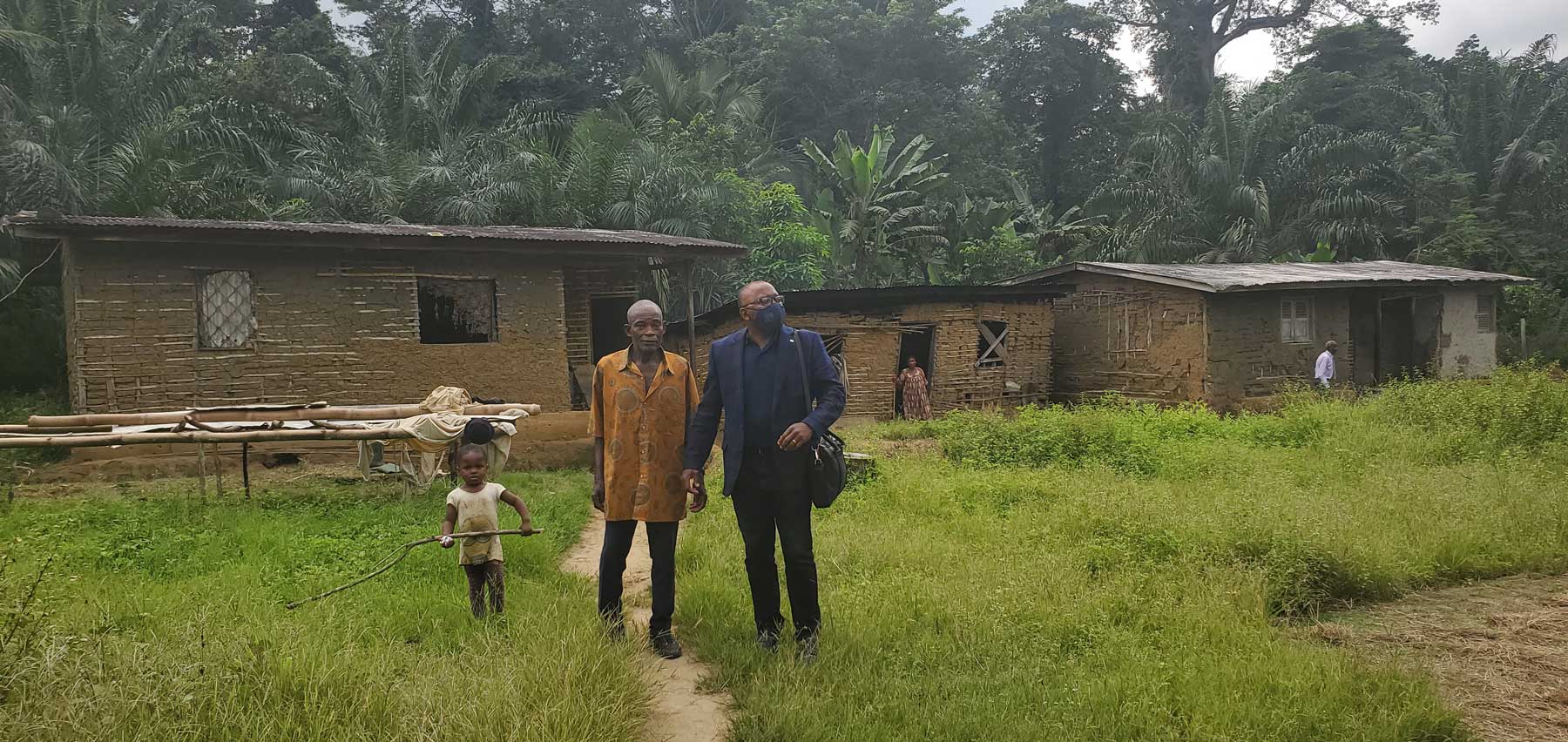
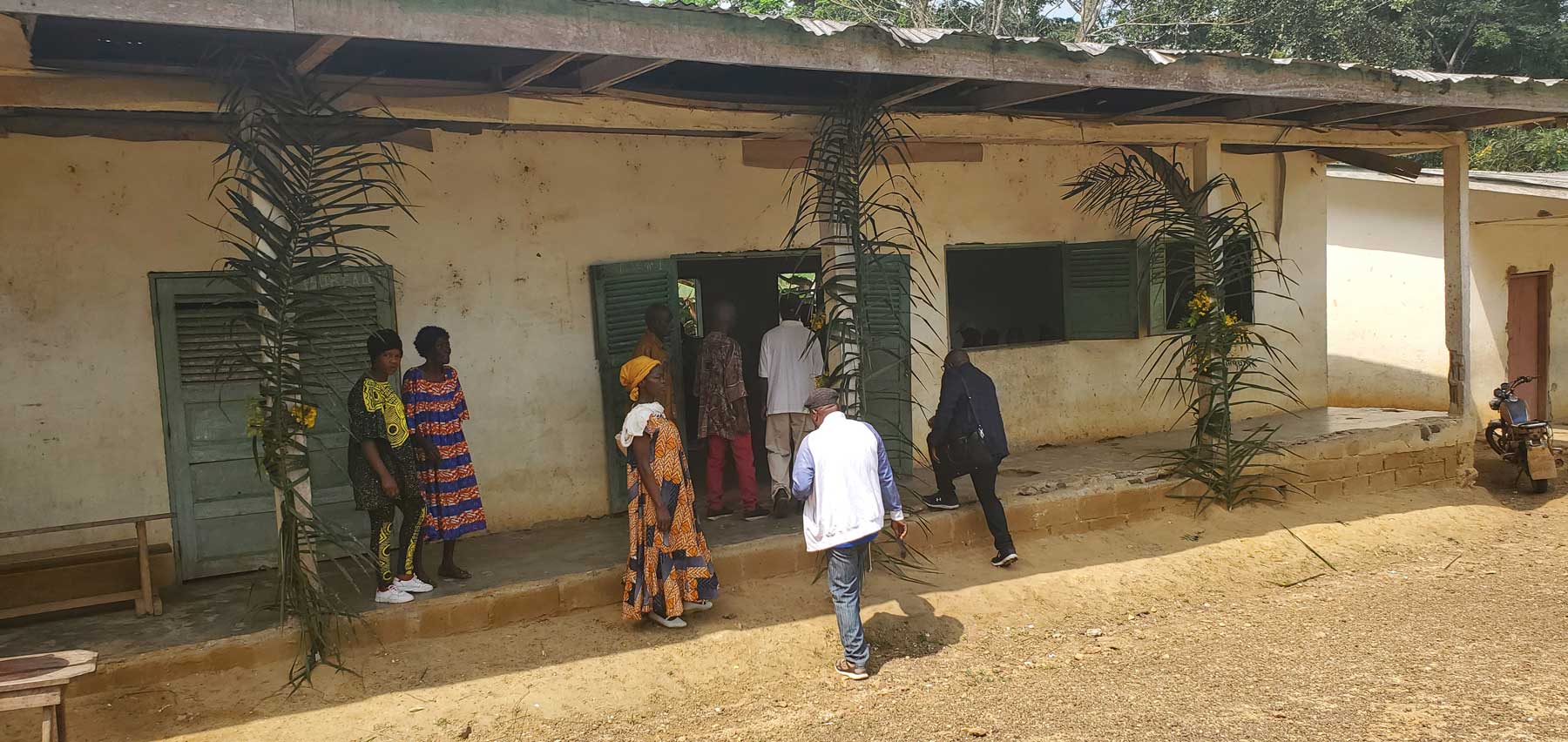
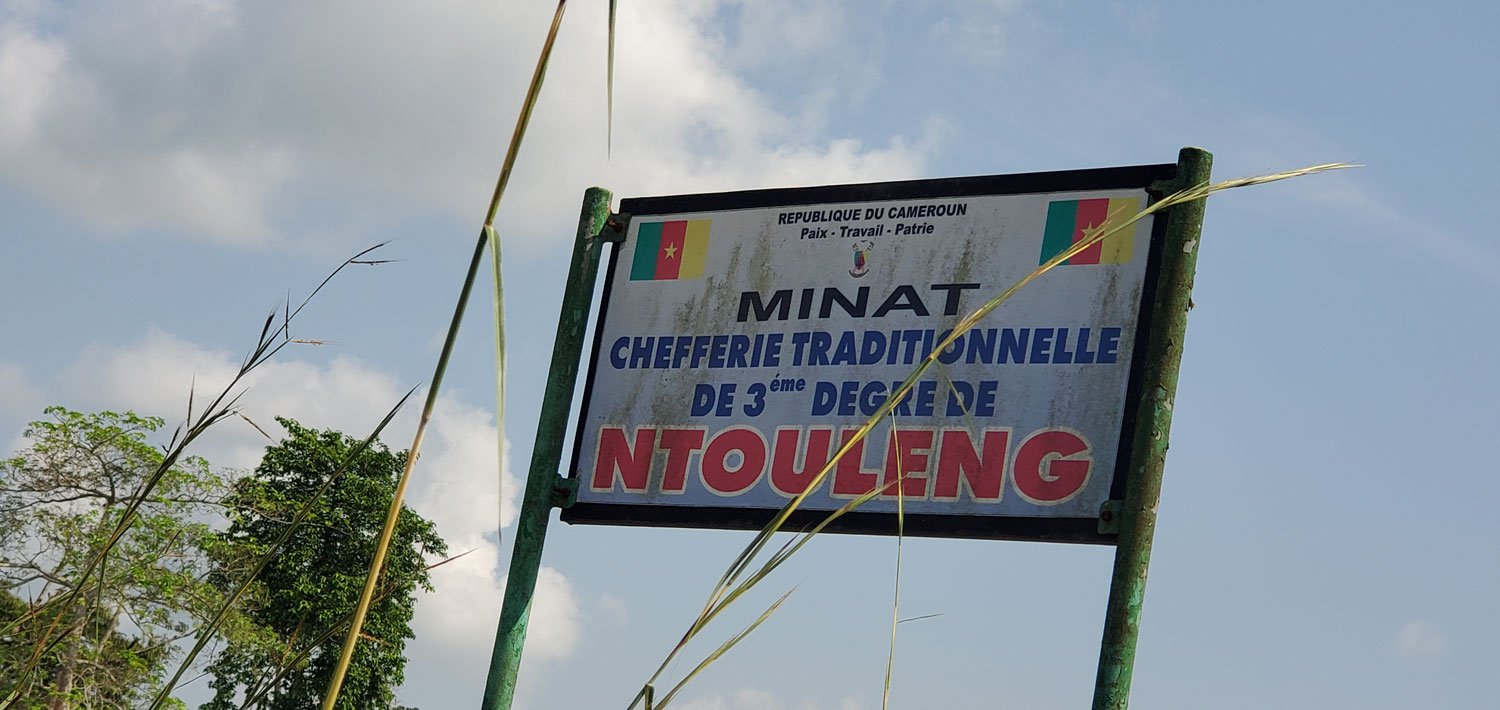
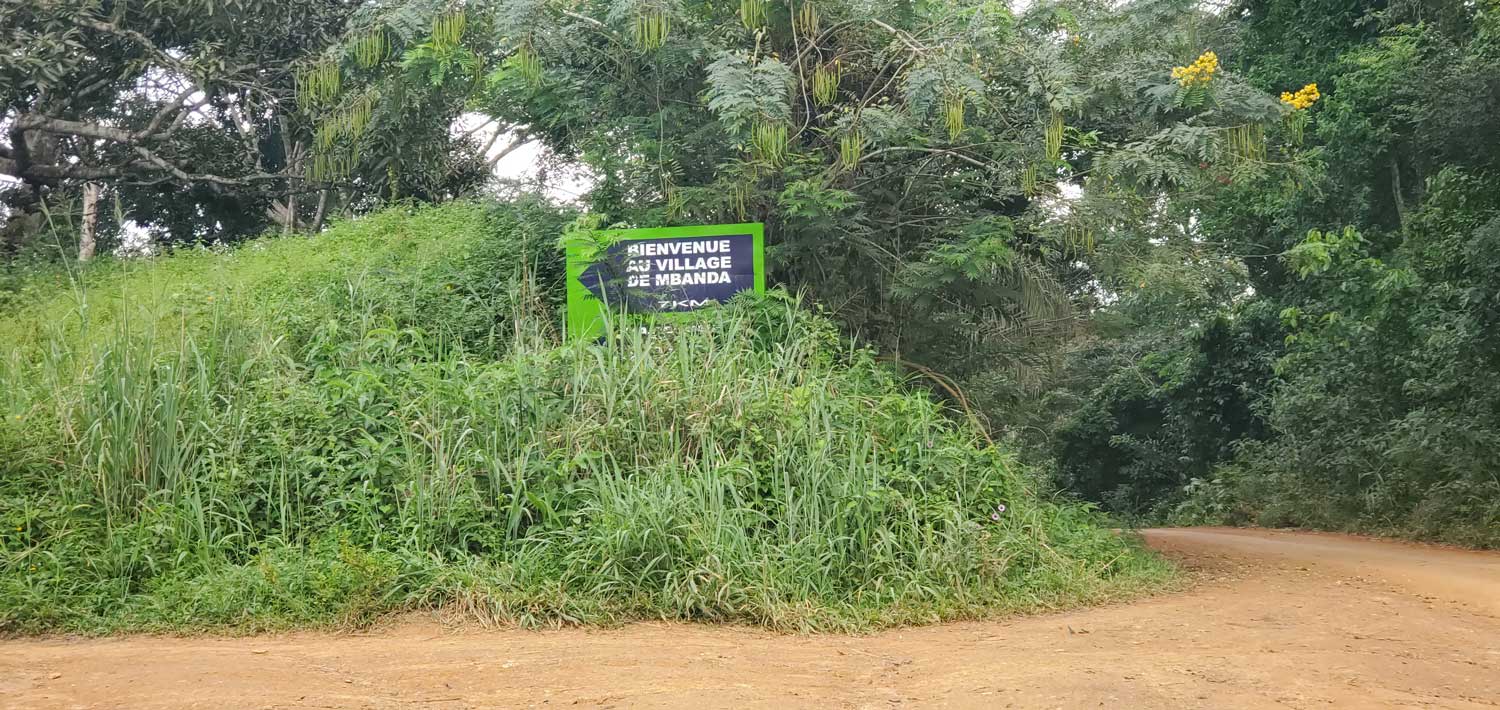
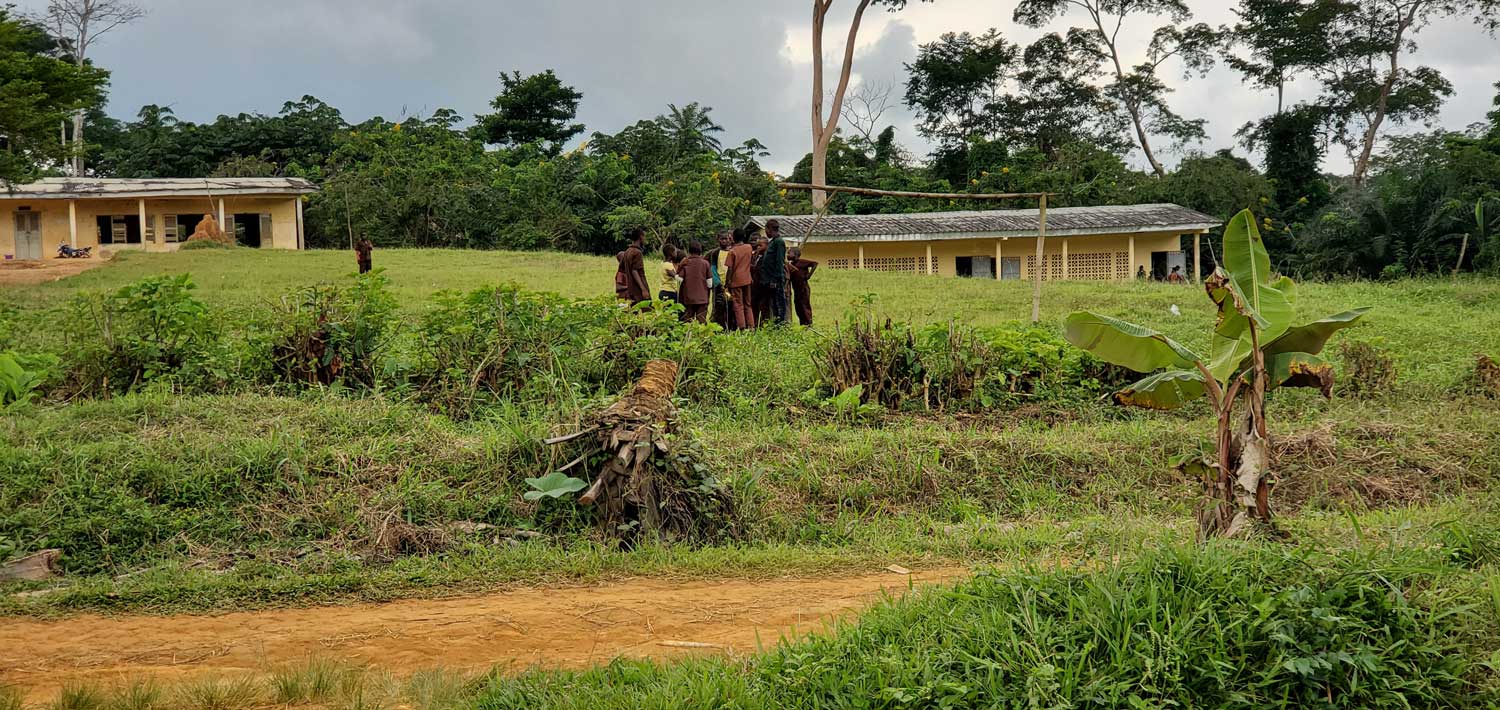
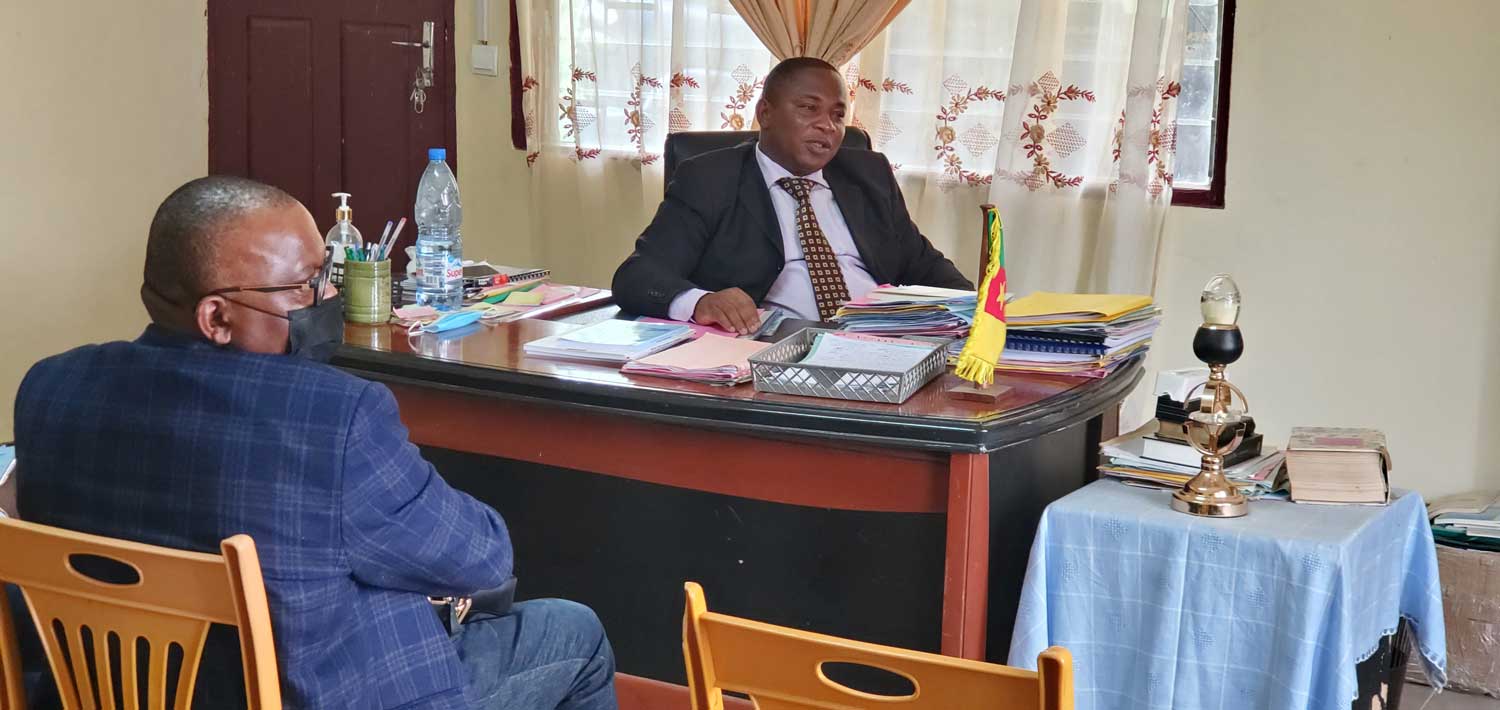
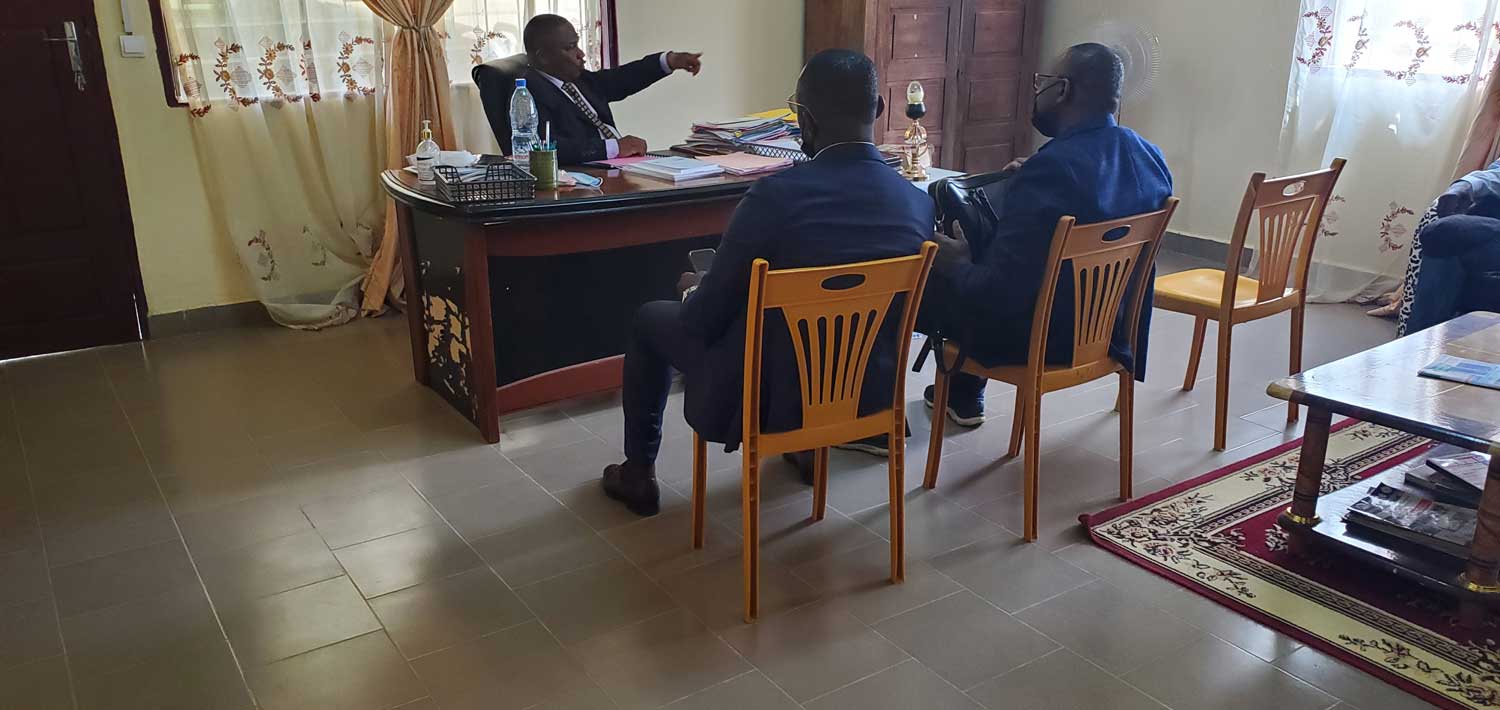
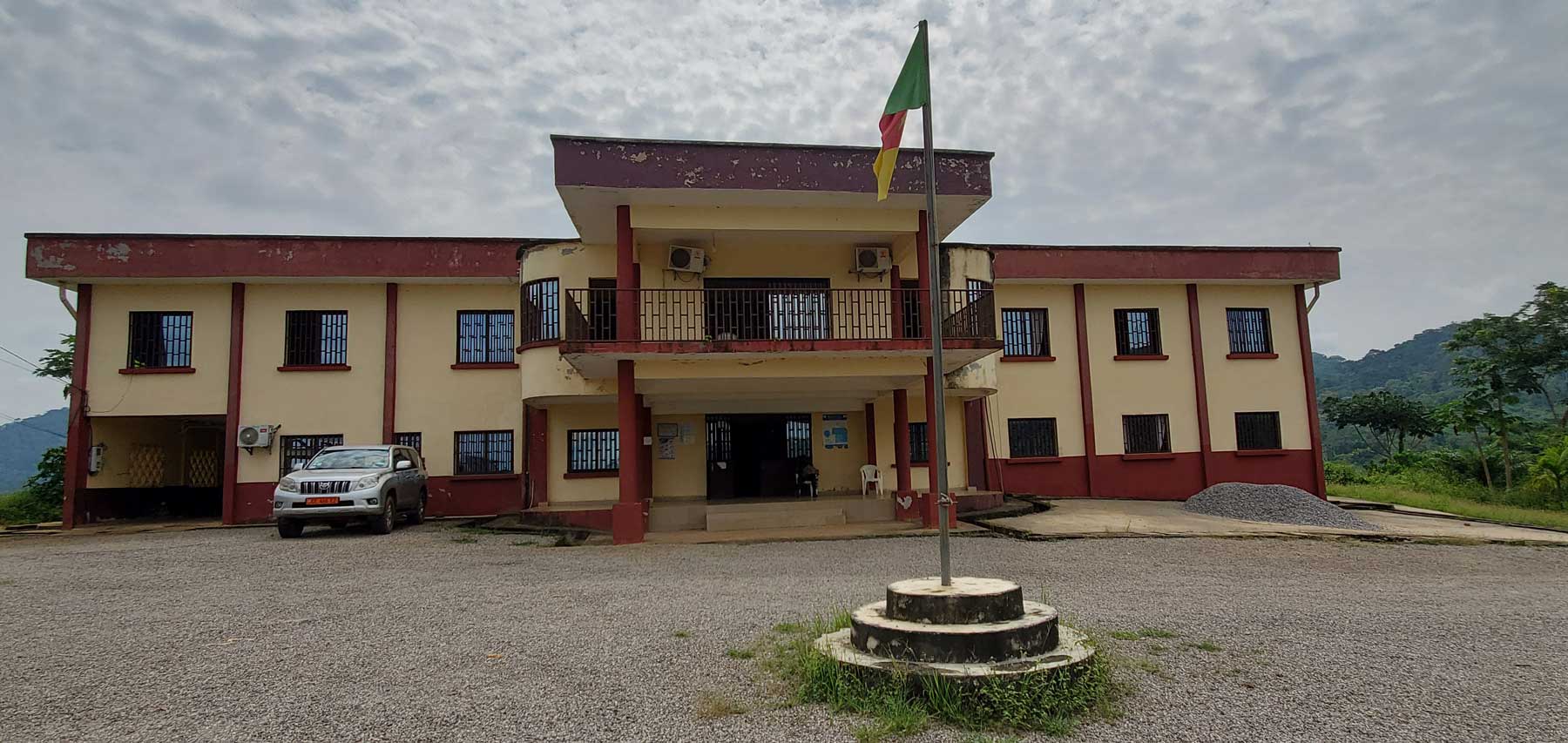
The Community Assessment process began with a series of visits and meetings in collaboration with the Rotary Club of Yaoundé Mefou. These initial engagements were crucial for planning and aligning efforts to address the needs of the communities. The images shared here capture the active participation of community members in every village we visited as we began to build relationships, discuss strategies, share insights, and lay the groundwork for the assessment.
While each community’s priorities differ, some of the common concerns include:
- Health Center: Access to healthcare services is a critical need for each village.
- Electricity: Reliable electricity is essential for improving quality of life and supporting development.
- Water and Sanitation: Clean water and proper sanitation facilities are urgently required to address health and hygiene challenges.
- School: Enhancing educational infrastructure is a priority to support the learning and development of children.
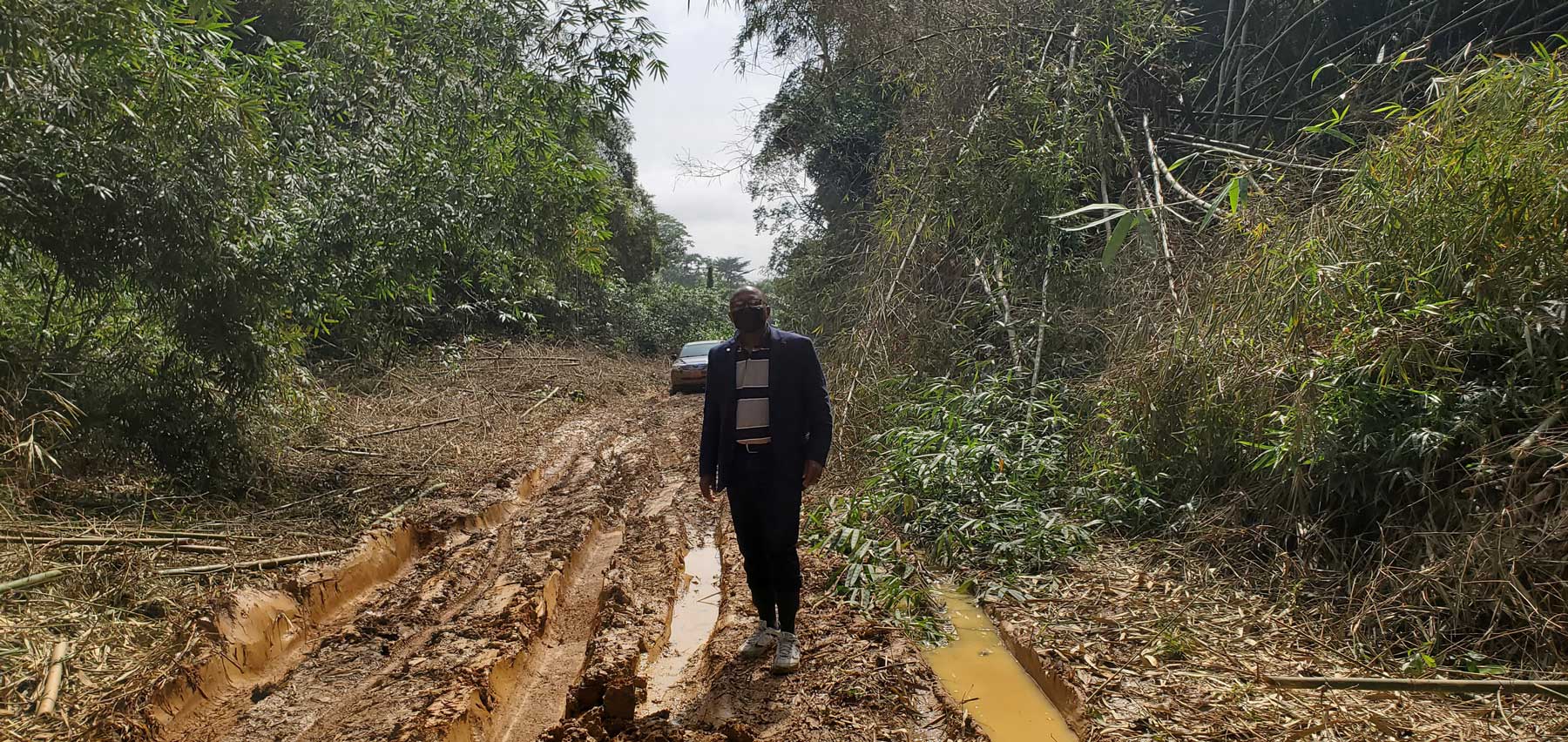
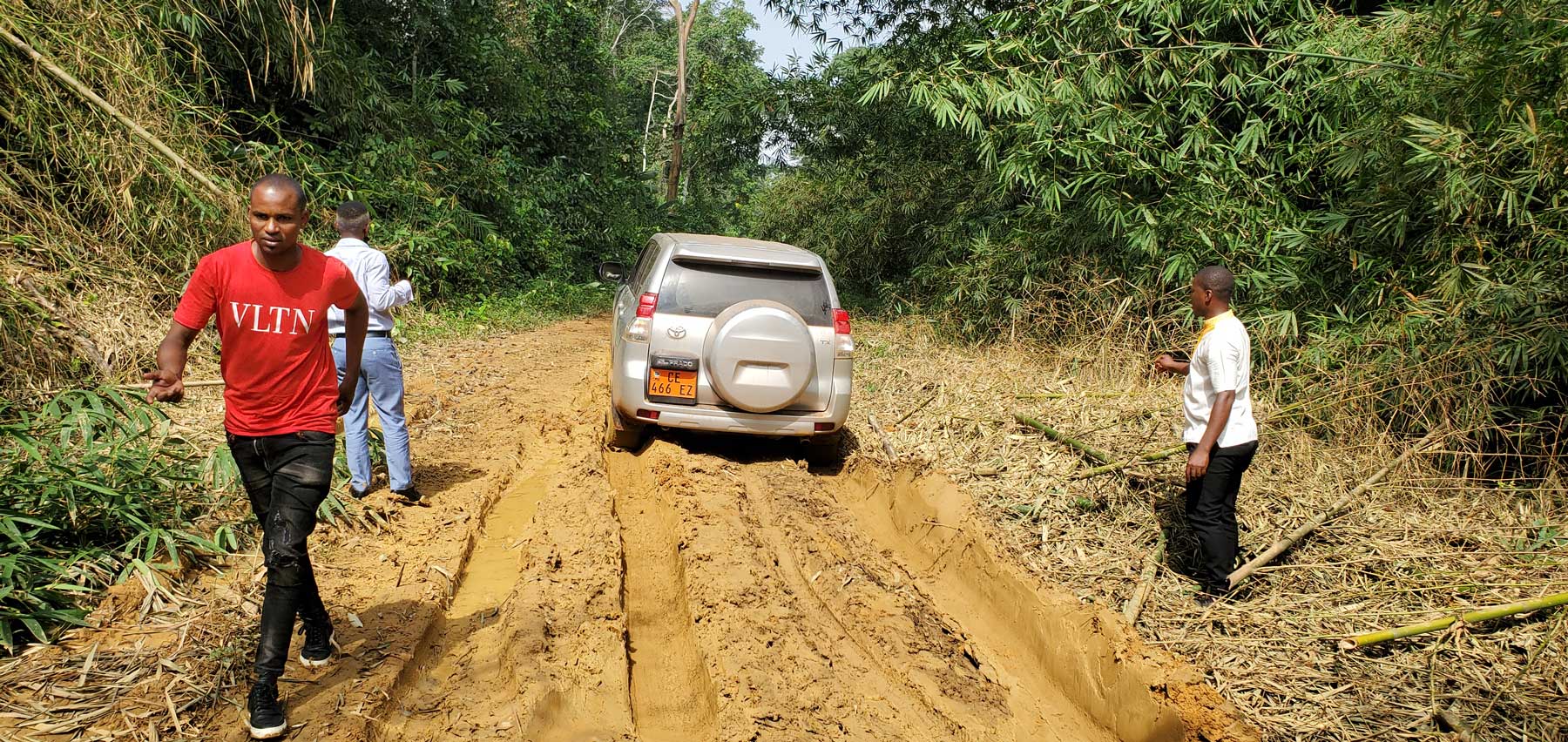
- Roads: Improved road conditions are needed to facilitate transportation and connectivity.